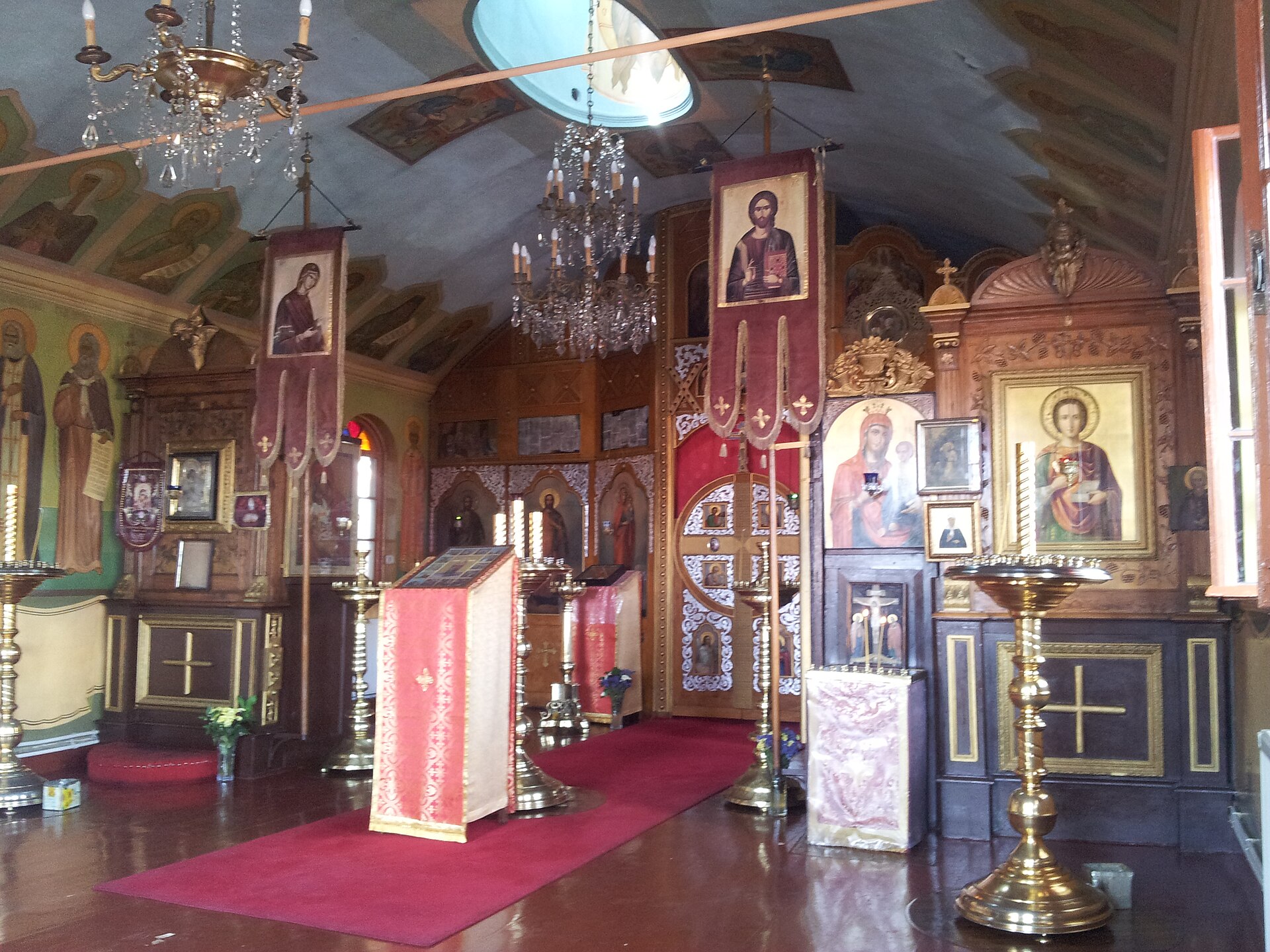
This church is believed to be built in 1475 by the Greeks of the Kefe Khanate of Crimea, who arrived to Istanbul in 1462. As it is dedicated to Virgin Mary, it is referred to as Kefe Meryemi (Panagia Kafatiani). Here, the icon of Virgin Mary, which is kept in the northern nave of the church, is believed to be brought from Kefe by the Crimean Greeks.
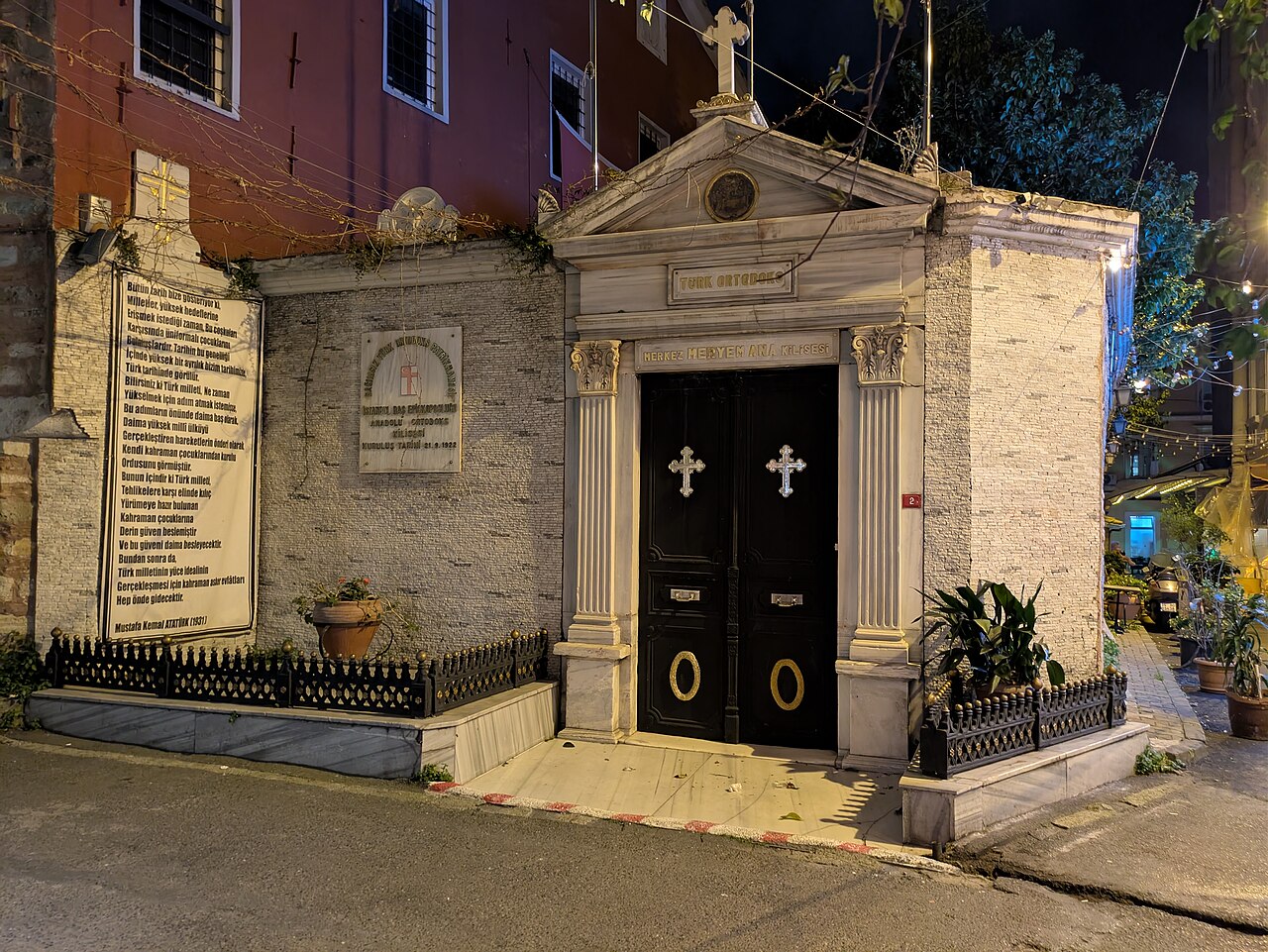
The church was built in the form of a basilica with three naves, but it took its current appearance after being burnt down many times during its history. The inscription on the southern narthex reads that it opened doors on 1 September 1734. The inscription plate also features a depiction of Virgin Mary with child Jesus. The Panagia Kafatiani Church suffered great damage during the retaliations against Istanbul’s Greek churches, in return for the Greek revolt in 1821 in the Peloponnese. The present building was built after these events cooled down. In fact, another inscription in the western narthex, above the entrance of the naos, reads that the church was completely renovated from the foundations up during Sultan Abülmecit’s reign (1839-1861), and re-opened doors on 11 August 1840. A line in the inscription is of note: “no revengeful shall enter; (those who enter) shall be blessed but not be damned like Judas, who betrayed Jesus.” While Panagia Kafatiani was the central church of the Greeks of Galata during the first quarter of the 20th century, it was occupied in 1924 by Papa Eftim and his followers. Since then, the church is known as the Turkish Orthodox Patriarchate. However, it is not recognized by the Greek Orthodox Patriarchate of Fener (Phanar).
Part of these themes: Galata's communities
Source: Akdoğan Özkan, A Traveler’s Guide to Galata (Nar Turizm, 2016), translated by Volkan Ersoy.
Last updated: · Last checked: (address and map position)
Spotted a mistake or something missing on this page? Suggest a correction