Galata's communities

Galata's communities

For centuries Galata was a district where different faiths lived side by side. Today its narrow streets still hold churches, synagogues and schools a few minutes' walk apart. The Greek Orthodox church of Panayia Kafatiani is thought to have been built by Greeks who came from Kefe in the Crimea in 1462; the Galata Greek School was built in 1885. The Armenian church of Surp Krikor Lusavoriç and Getronagan High School, "the Galatasaray of the Armenians", stand on the same street. The Armenian Catholic church of Surp Hisus Pirgiç is right next to Saint-Benoît. Neve Shalom, the largest synagogue of Istanbul's Jewish community, opened in 1951. The Ashkenazi, Italian and Tailors' synagogues, and Zülfaris, once the Jewish Museum of Turkey, tell of the community's different branches. The Latin churches and the Crimean Memorial Church of 1866 are part of the same mix.

Places

Historic Sites Read more → Panagia Kafatiani Orthodox Church

Panagia Kafatiani Orthodox Church

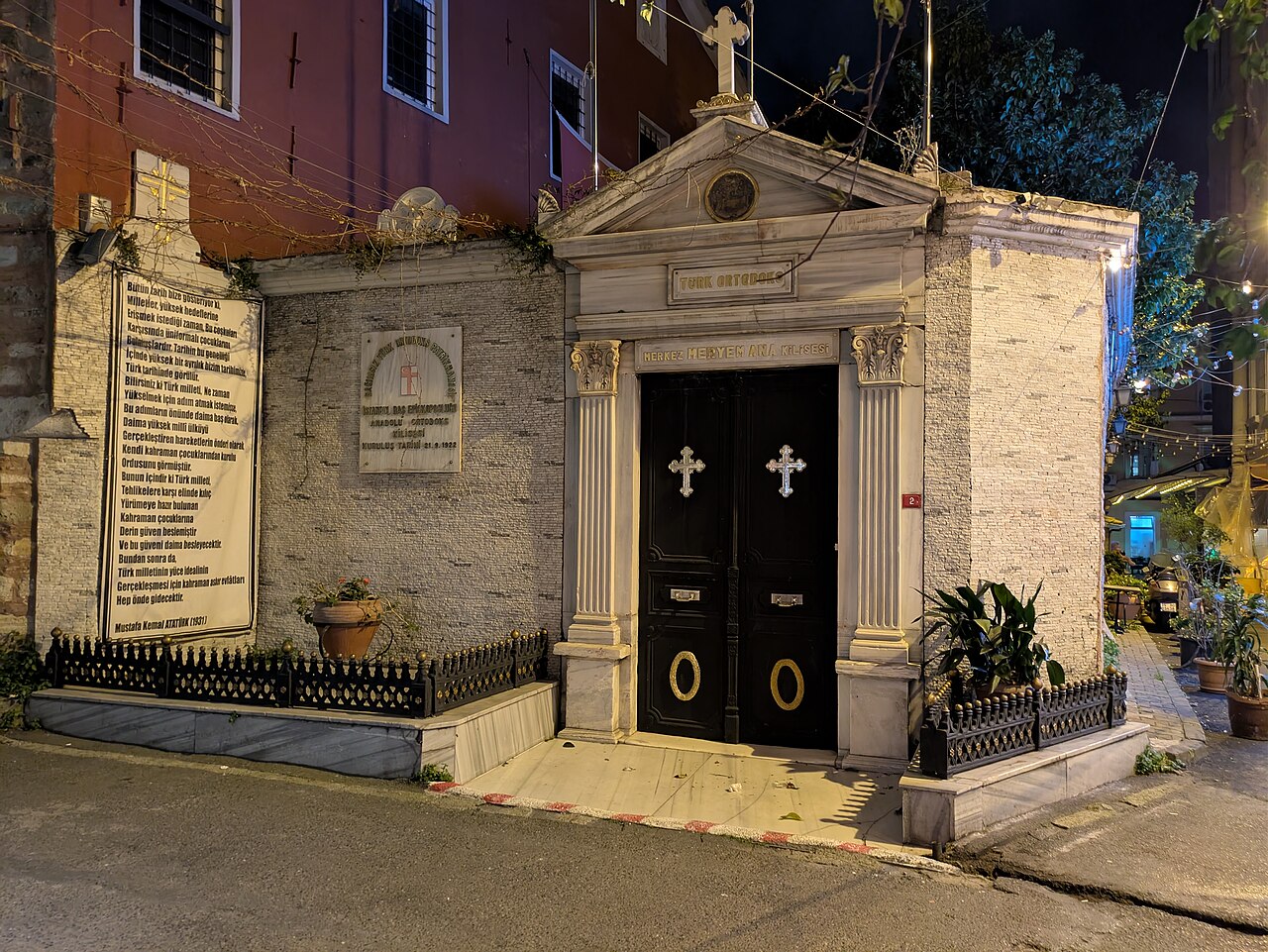
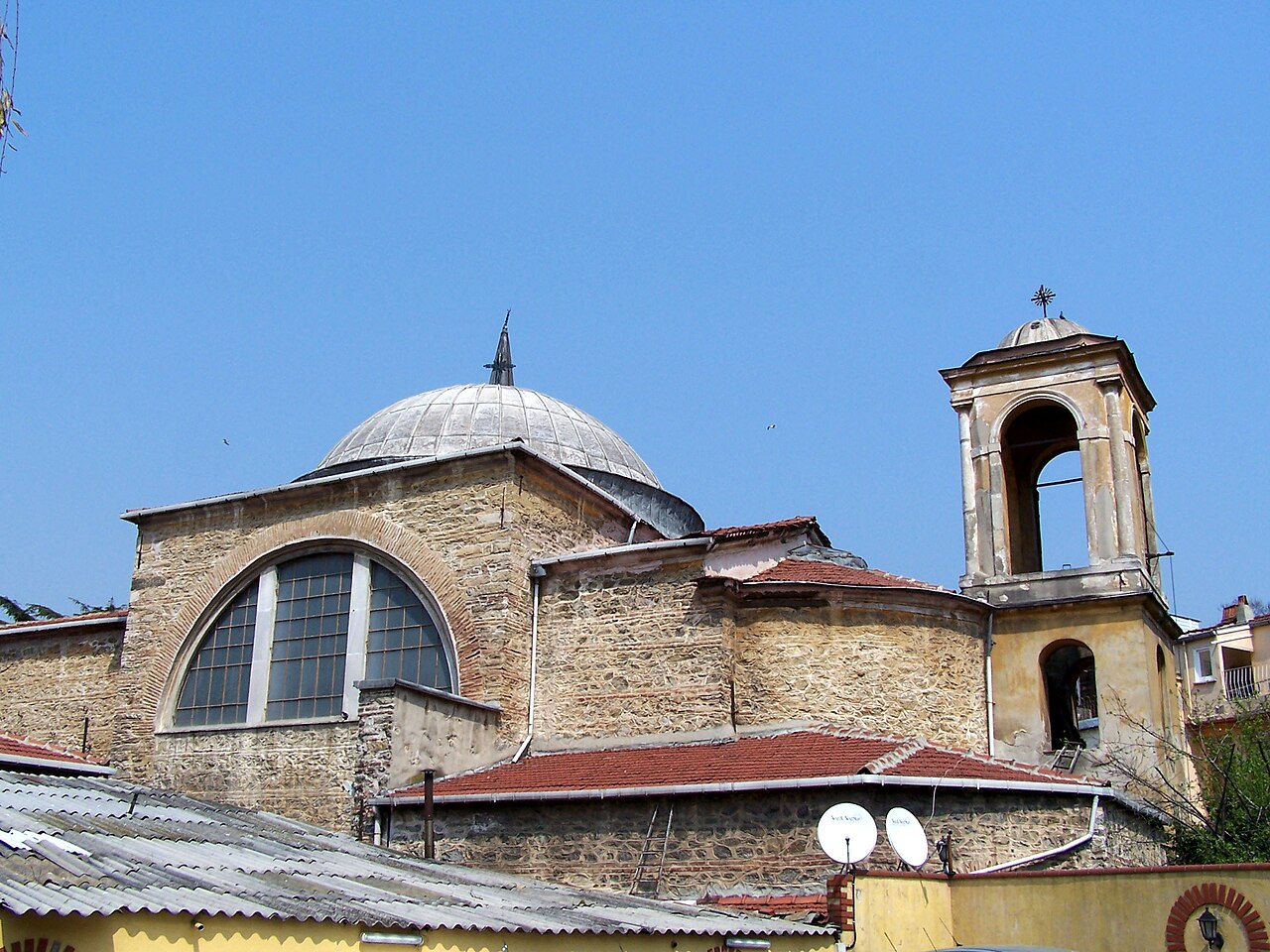
This church is believed to be built in 1475 by the Greeks of the Kefe Khanate of Crimea, who arrived to Istanbul in 1462.

Corner of Ali Paşa Değirmeni Sk. and Akçe Sk., Karaköy
Outside service times (arrangements may change) Free
Historic Sites Read more → Agios Ioannis Prodromos Orthodox Church

Agios Ioannis Prodromos Orthodox Church

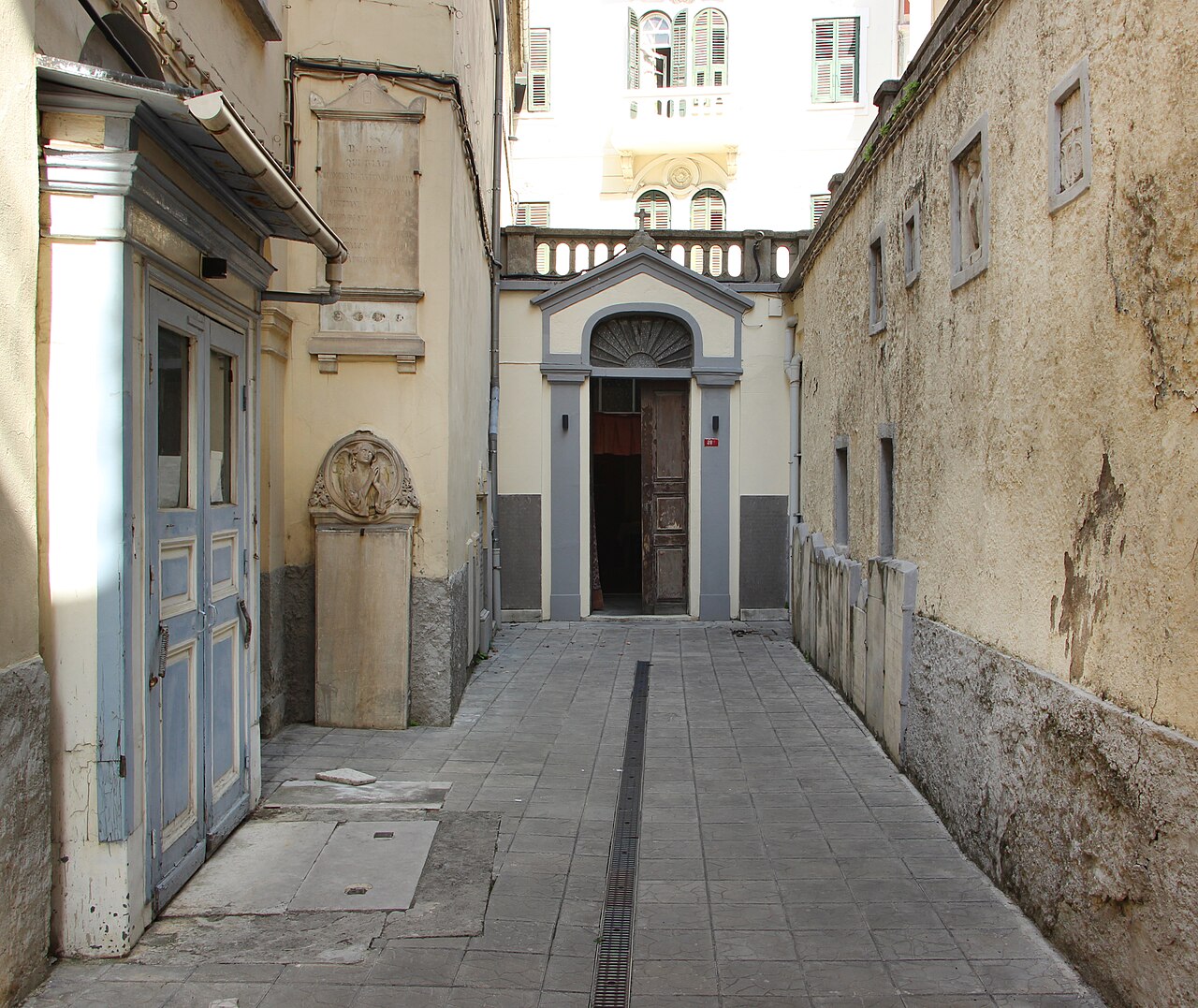
This church dedicated to and named after John the Baptist (Aya Yani), is located in the middle of a courtyard surrounded by high walls.

Vekilharç Sk., Karaköy
Outside service times (arrangements may change) Free
Historic Sites Read more → Agios Nikolaos Orthodox Church

Agios Nikolaos Orthodox Church

This church is dedicated Agios Nikolaos (St. Nicholas), patron saint of seamen. He was the Bishop of Myra (or, Demre in modern-day Turkey) in Lycia.

Hoca Tahsin Sk. No:2, Karaköy
Outside service times (arrangements may change) Free
Historic Sites Read more → Galata Greek School

Galata Greek School

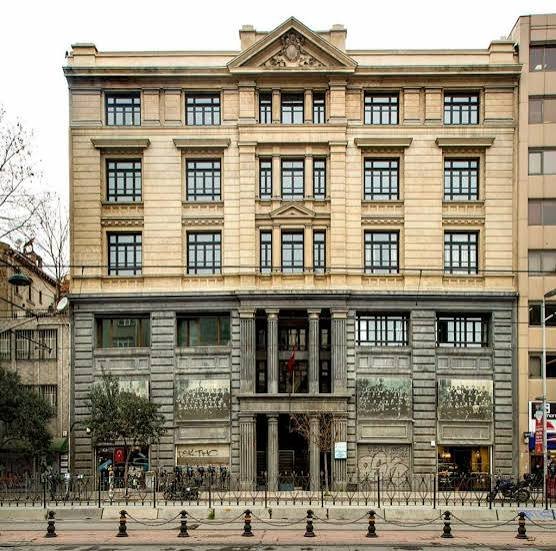
Galata Greek School was built in 1885 for the education of the children of Ottoman Greek families.

Kemeraltı Cad. No:25, Karaköy
Can be seen from outside Free
Historic Sites Read more → Surp Krikor Lusavoriç Church

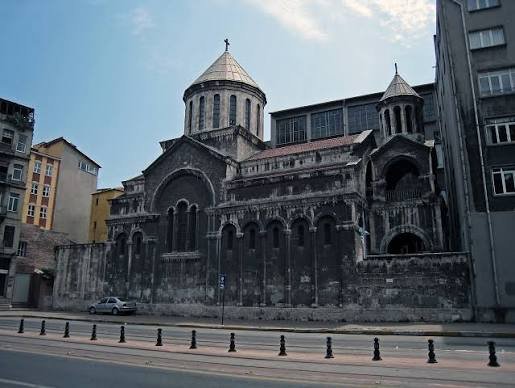
Surp Krikor Lusavoriç Church

After the foundation of the Armenian Patriarchate of Istanbul (1461), 55 Armenian churches have been built in the city.

Sakızcılar Sk. No:3, Karaköy
Outside service times (arrangements may change) Free
Historic Sites Read more → Getronagan High School

Getronagan High School

One of the five Armenian high schools in Istanbul, the Getronagan Lycee is also known as the “Galatasaray of Armenians” – with Galatasaray historically being one of the most influential high schools of Turkey.

Sakızcılar Sk. No:9, Karaköy
Can be seen from outside Free
Historic Sites Read more → Surp Hisus Pirgiç Armenian Church

Surp Hisus Pirgiç Armenian Church

Although most of the Armenians in Turkey are of Orthodox faith, there are some who converted to Catholicism under the influence of the missionaries.

Kemeraltı Cad. No:5, Karaköy
Outside service times (arrangements may change) Free
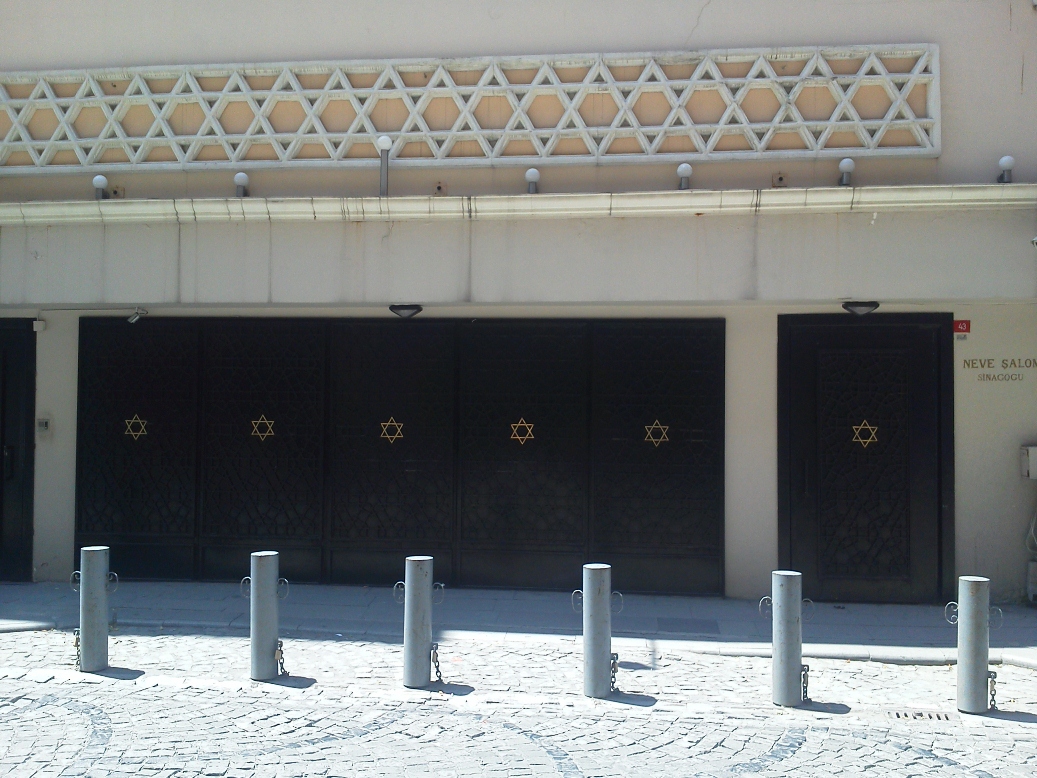
Historic Sites Read more → Neve Shalom Synagogue and the Jewish Museum

Neve Shalom Synagogue and the Jewish Museum

While Jews were mostly settled in districts such as Balat and Hasköy during the Ottoman era, they also inhabited Galata and established a community there, once it gained commercial significance.

Büyük Hendek Cad. No:61, Galata, Beyoğlu
Visits by prior appointment, with ID Free · by appointment
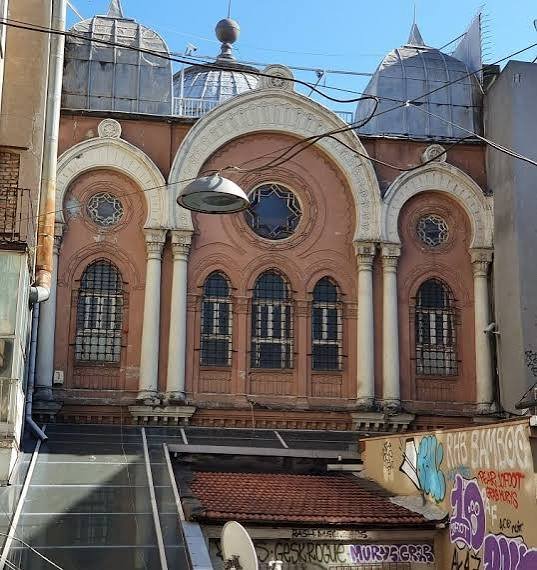
Historic Sites Read more → Ashkenazi Synagogue

Ashkenazi Synagogue

The first known Istanbul synagogue of Ashkenazi Jews, i.e. Jews of Germany, Austria and Eastern Europe origin, opened doors in 1831 in a house on Büyük Hendek Sokak.

Yüksekkaldırım Cad. No:27, Galata
Visits by appointment Free · by appointment
Historic Sites Read more → Italian Synagogue

Italian Synagogue

The Genoese sanctuaries in Galata are not limited to Catholic churches, because the region was also inhabited by a large Italian Jewish community.

Şair Ziya Paşa Cad. No:23, Galata
Visits by appointment Free · by appointment
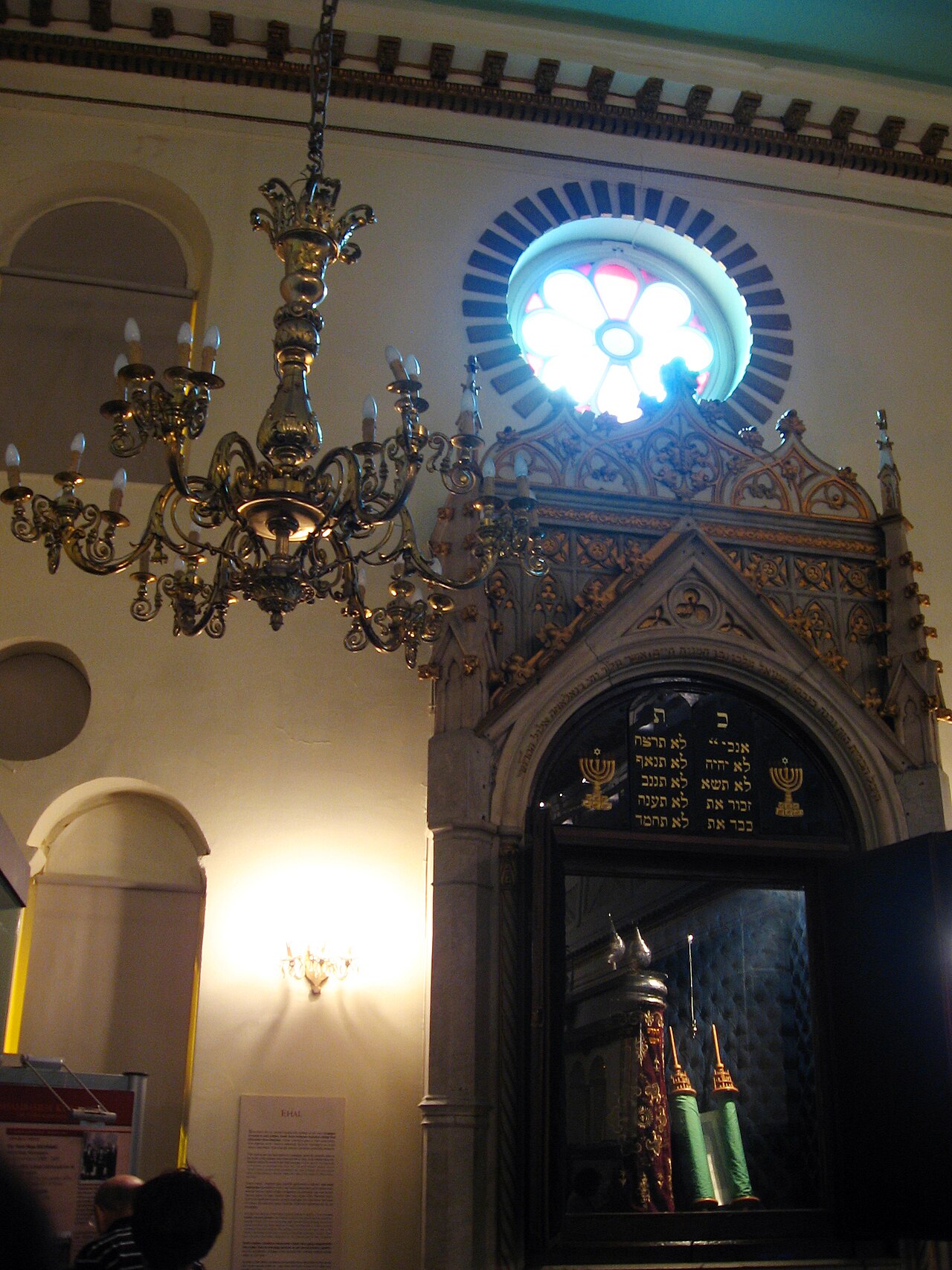
Historic Sites Read more → Zülfaris Synagogue

Zülfaris Synagogue

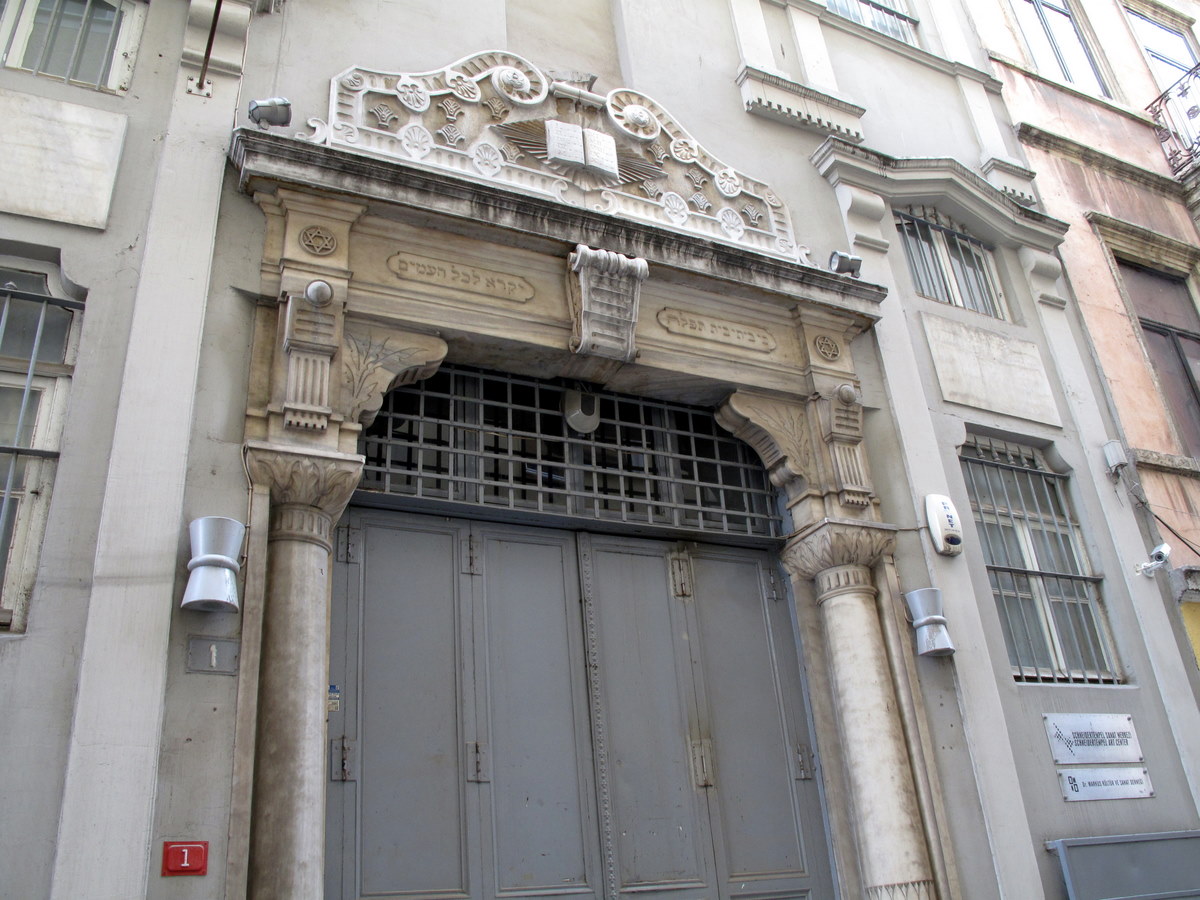
Zulfaris is a very old synagogue that is hard to find in the busy Karaköy area. On the entrance of the synagogue is a verse from the Hebrew Bible:

Perçemli Sk., Karaköy
Visits by appointment Free · by appointment
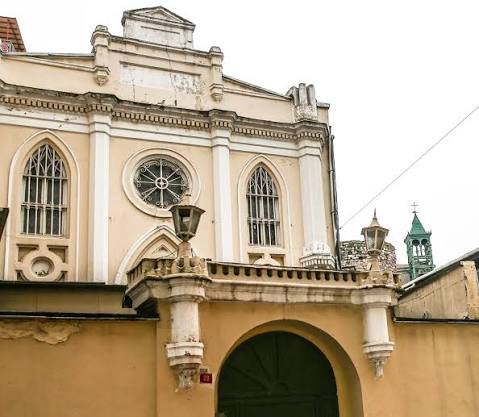
Historic Sites Read more → Terziler Synagogue

Terziler Synagogue

Terziler Synagogue (lit. “Tailors’ Synagogue”), or “Tofre Begadim Synagogue” as the Jewish community calls it, belonged to Ashkenazi Jews.

Felek Sk., Galata
Visits by appointment Free · by appointment
Historic Sites Read more → Saint Pierre and Saint Paul Church

Saint Pierre and Saint Paul Church

The Latins had built 9 churches in Galata by the end of 18th century. Amongst them, only three medieval Latin-rite churches are still standing.

Galata Kulesi Sk. No:44, Kuledibi, Beyoğlu
Monday – Saturday 07:00 – 17:00 · Sunday 10:30 – 12:00 Free
Historic Sites Read more →
Galata

Sankt George Catholic Church and High School

One of the three still-standing medieval Latin-rite churches in Galata is the Sankt George Catholic Church on Kart Çınar Sokak.

Kart Çınar Sk., Karaköy
Outside service times (arrangements may change) Free
Historic Sites Read more → High School and the Church of Saint Benoit

High School and the Church of Saint Benoit

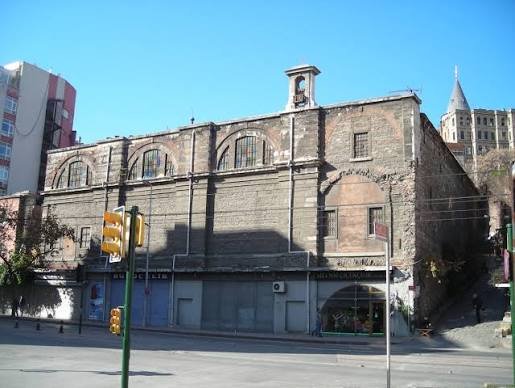
The Church of Saint Benoit is situated in a land surrounded by high walls on Kemeraltı Street.

Kemeraltı Cad. No:11, Karaköy
The church is within the school grounds; contact the school in advance to visit Free
Historic Sites Read more → Crimean Anglican Church

Crimean Anglican Church

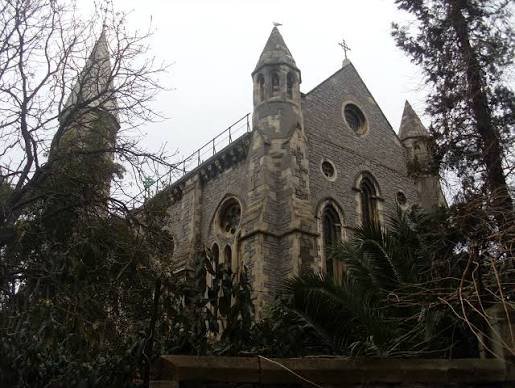
Crimean Anglican Church is a Protestant church that was built in 1866 by the British in memory of British soldiers who died in the Crimean War (October 1853-February 1856).

Serdar-ı Ekrem Cad. No:52A, Galata
Outside service times (arrangements may change) Free

Articles

History Read more →
Galata

The 92 Pupils of a Girls’ School in Galata in 1880

How many pupils at the Alliance girls’ school in Galata paid fees in 1880, and how many studied for free? A table published by Esther Benbassa also shows who kept the school going.

Walking routes

Last updated:

Spotted a mistake or something missing on this page? Suggest a correction

← All themes