In Turkish, Büyük Hendek means “large – and deep – moat”, while Küçük Hendek meaning “small moat.” The Genoese dug moats around the Galata walls just like Byzantines did for Istanbul. At the time, these moats were as wide as 15 m, and they were lined with cascading embankments to hold the water. Access to and from the city was through the gates in the walls, and they were kept closed during the night.
Evliya Çelebi mentions about the Büyük Hendek which used to stretch from Meyyit Gate to Tophane Gate. “I have seen thousands of fortresses but never a moat like this,” he says and adds: “Only that of Akkerman, where the Dniester flows into the Black Sea, might match it. There are always sailors in this trench twisting ship cables, marlines, and life ropes.”
The moats were the scene of ruffian acts, especially during the heyday of the janissaries. Scarlatos Byzantios (1798 -1878), an Ottoman Greek and the author of “Konstantinoupolis,” says that dagger fights and duels between janissaries were taking place here. “I’ll see you at the moats,” the janissaries would say, just like the Frenchmen who challenge opponents to a duel at the Boulogne Forests.
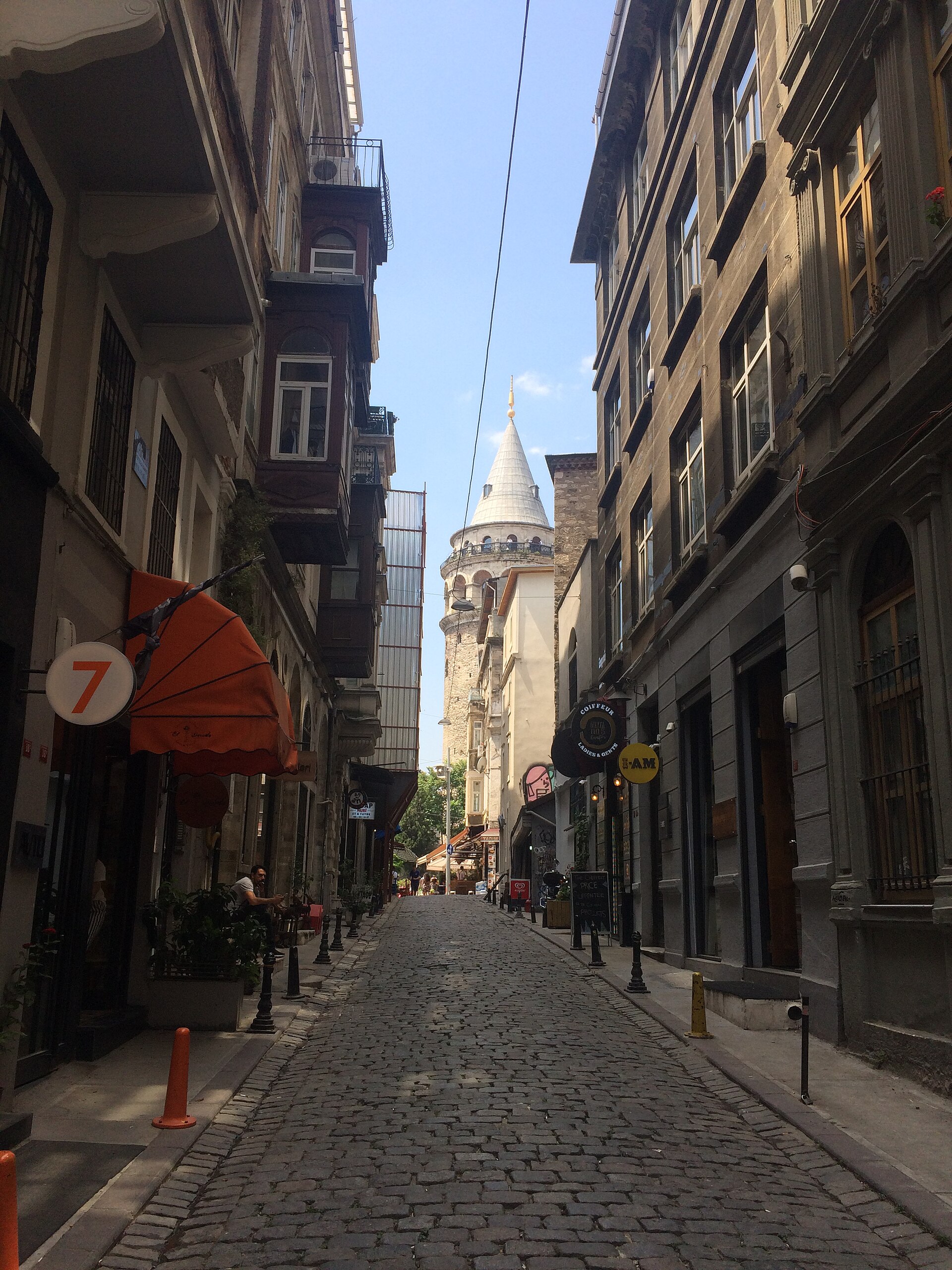
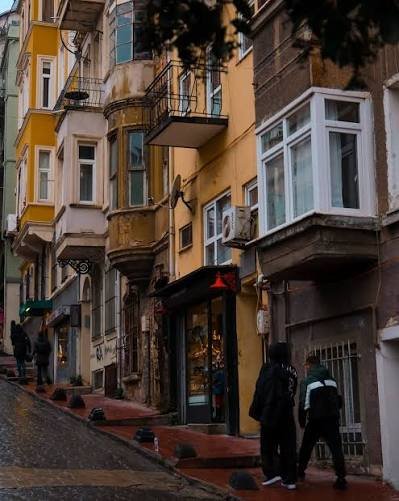
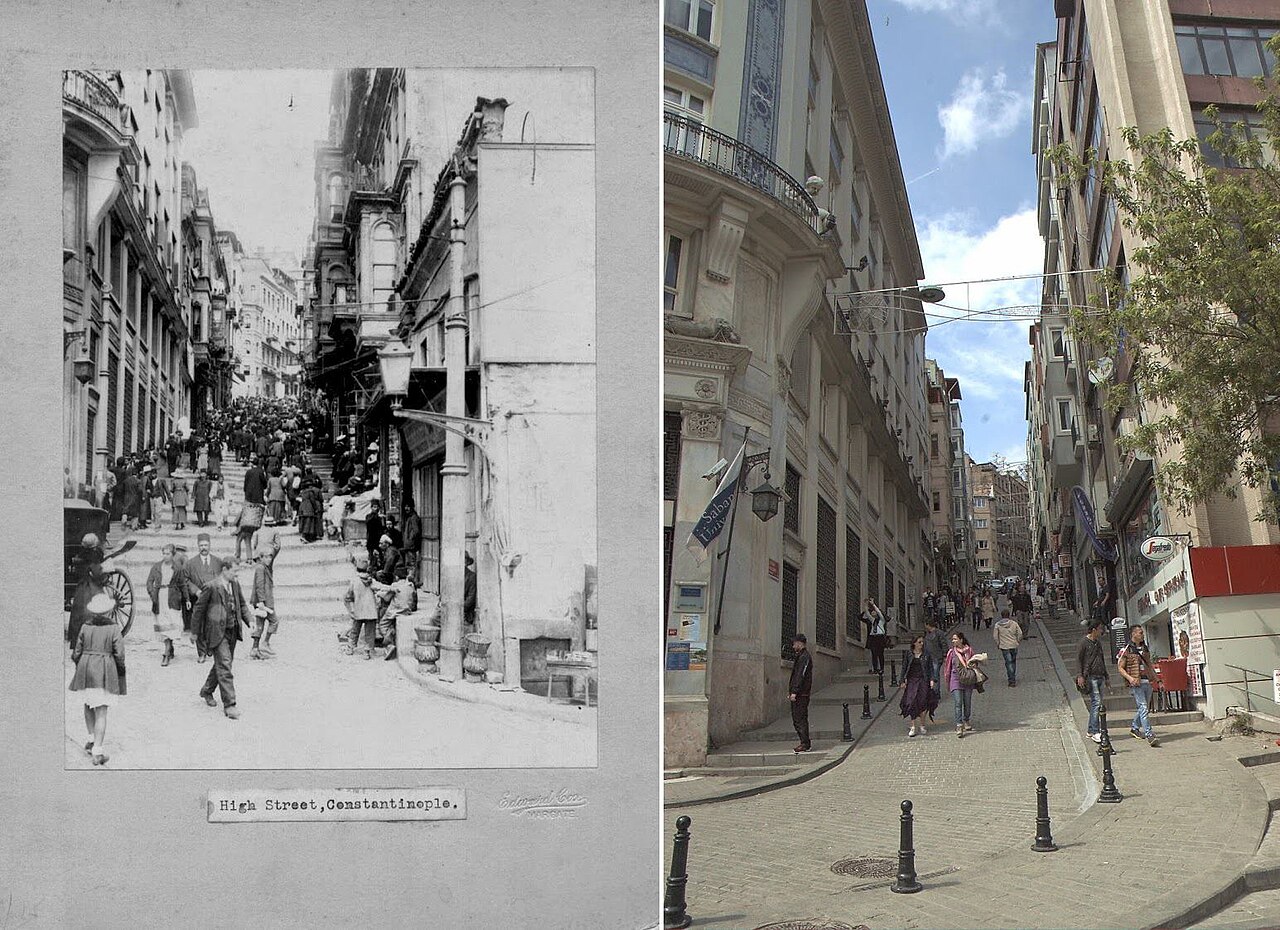
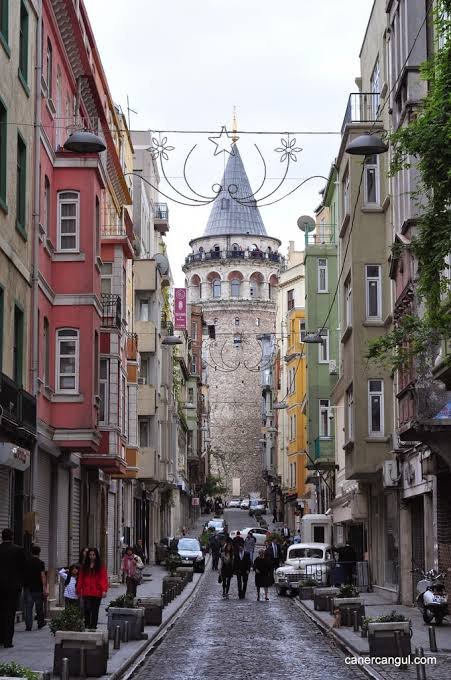
One of the first initiatives of the 6th Municipal Department following its establishment in the mid-19th century was to cover up the moats and re-zone the reclaimed land for development. Today’s Büyük Hendek and Küçük Hendek streets (and Lüleci Hendek Street to the east of Galata Tower) are the neighborhoods where these old moats used to stretch along the city walls.
† Most of the buildings between Büyük Hendek and Küçük Hendek streets were built with three storeys above the ground floor, in line with the building regulation of 1863. In other words, these buildings predate the regulation issued in 1882, which allowed taller buildings and set off a great wave of construction in the area.
From recent research
Rope makers in the ditches of Galata
In Galata the rope makers used the ditches at the foot of the walls as their workplace. Ayhan Han shows that this use held back building there and that the rope makers worked in the ditches until the demolition of 1864.
Source: Ayhan Han (2016), İstanbul ve Galata Hendeklerinde Kentsel Toprak Kullanımı, pp. 27–28 and 36.
Part of these themes: Genoese Galata
Source: Akdoğan Özkan, A Traveler’s Guide to Galata (Nar Turizm, 2016), translated by Volkan Ersoy. Paragraphs marked † appear only in the 2017 Turkish edition of the book (Galata Gezi Rehberi) and were translated for this site.
Last updated: · Last checked: (address and map position)
Spotted a mistake or something missing on this page? Suggest a correction