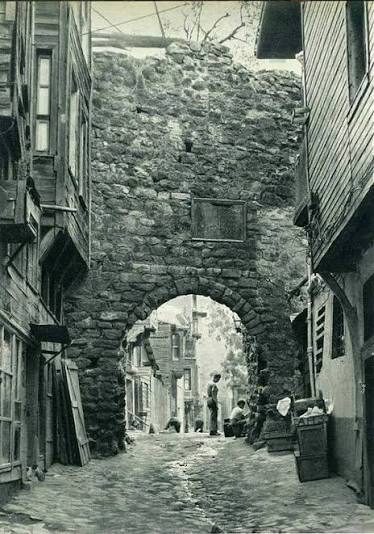
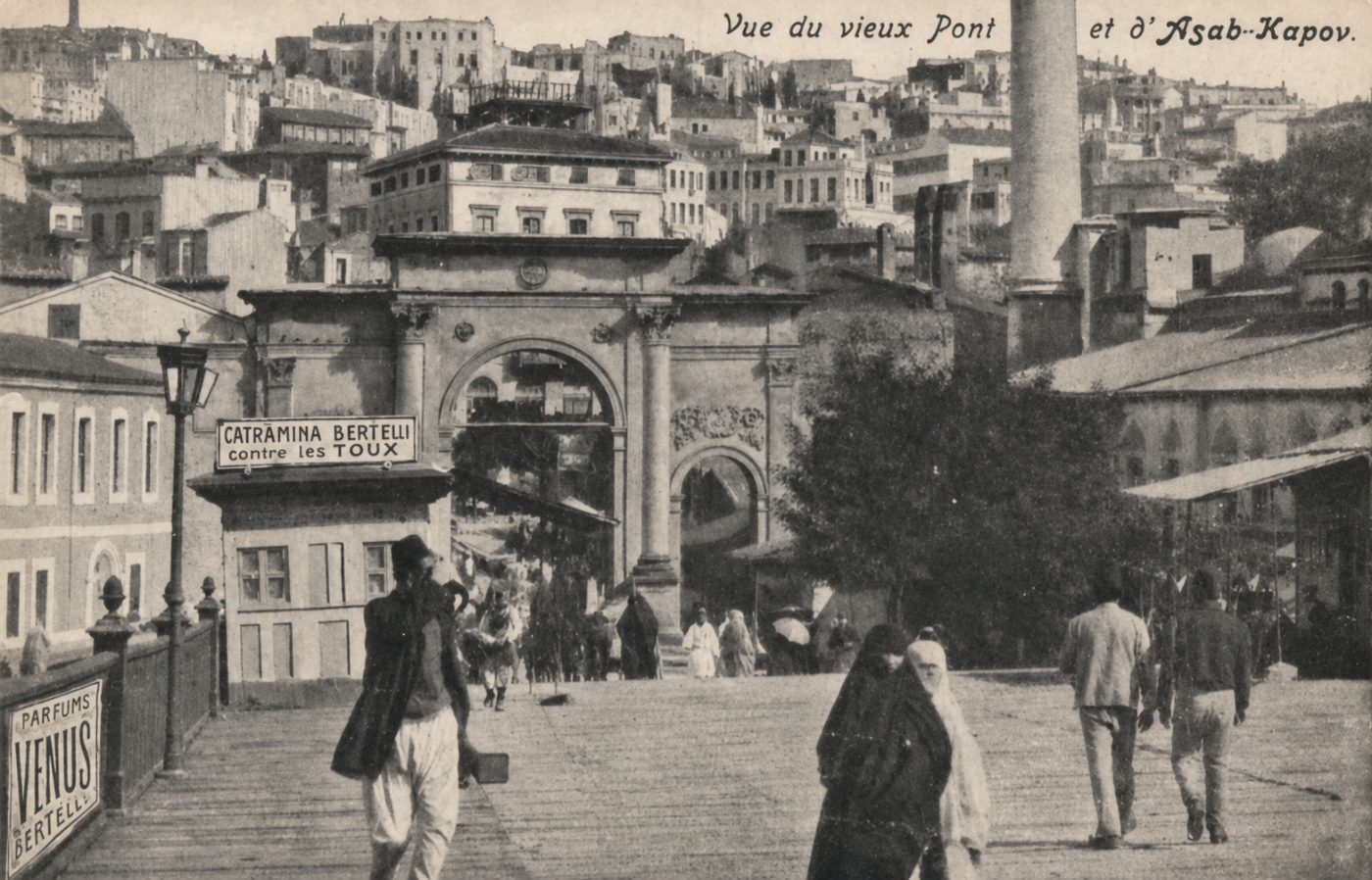
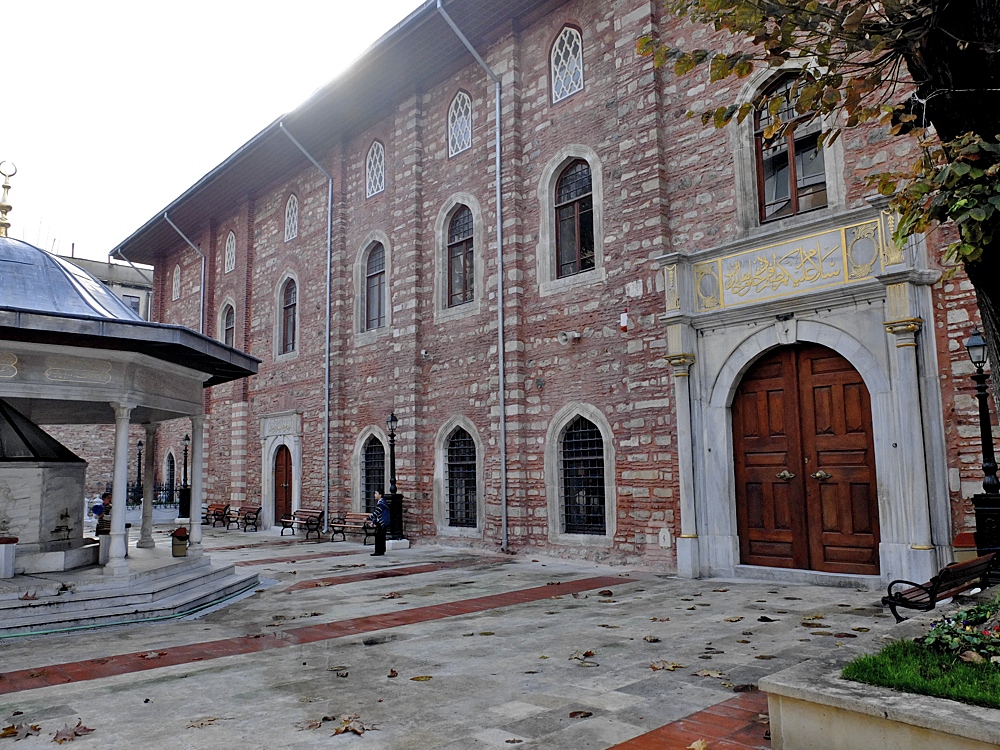
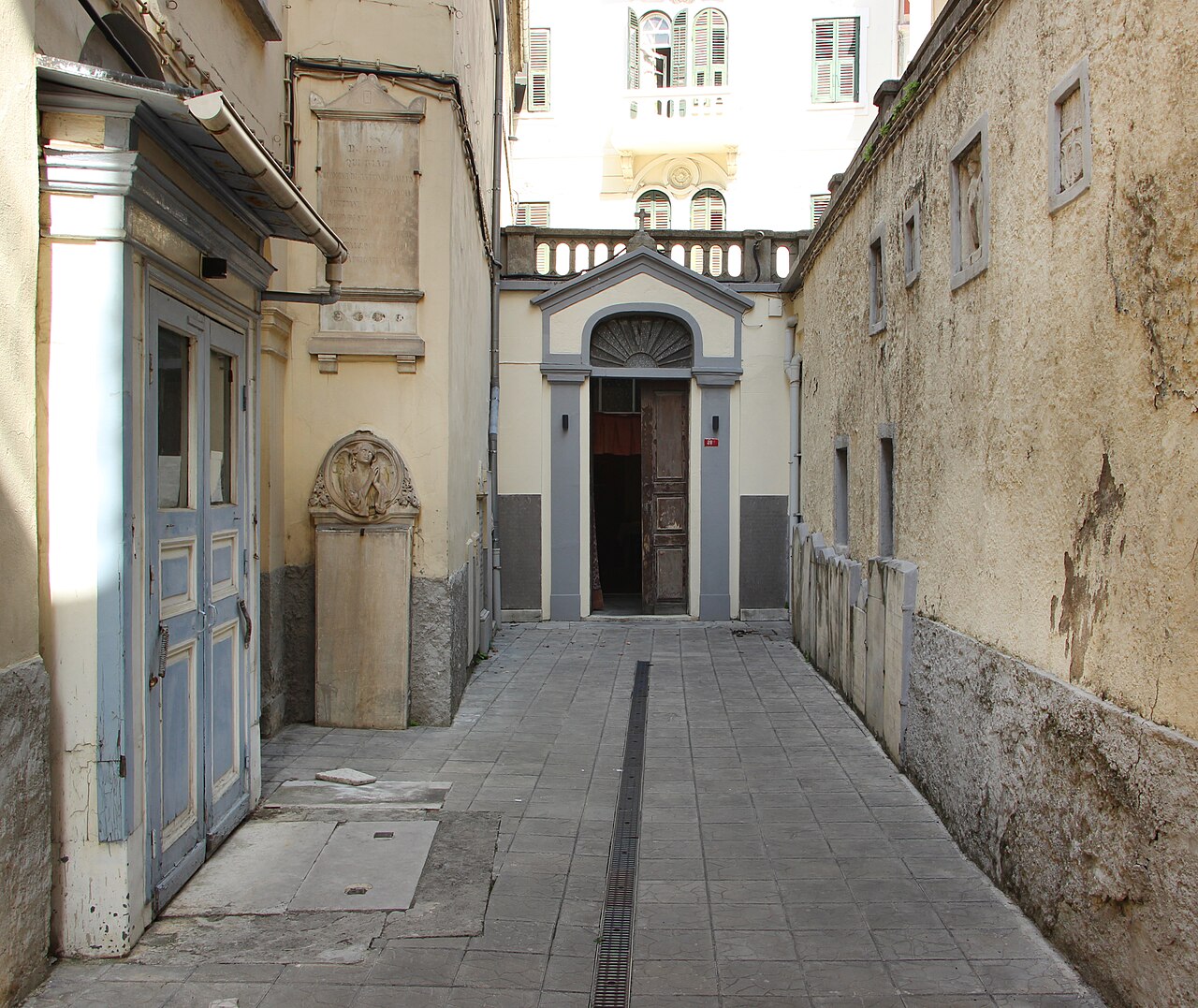
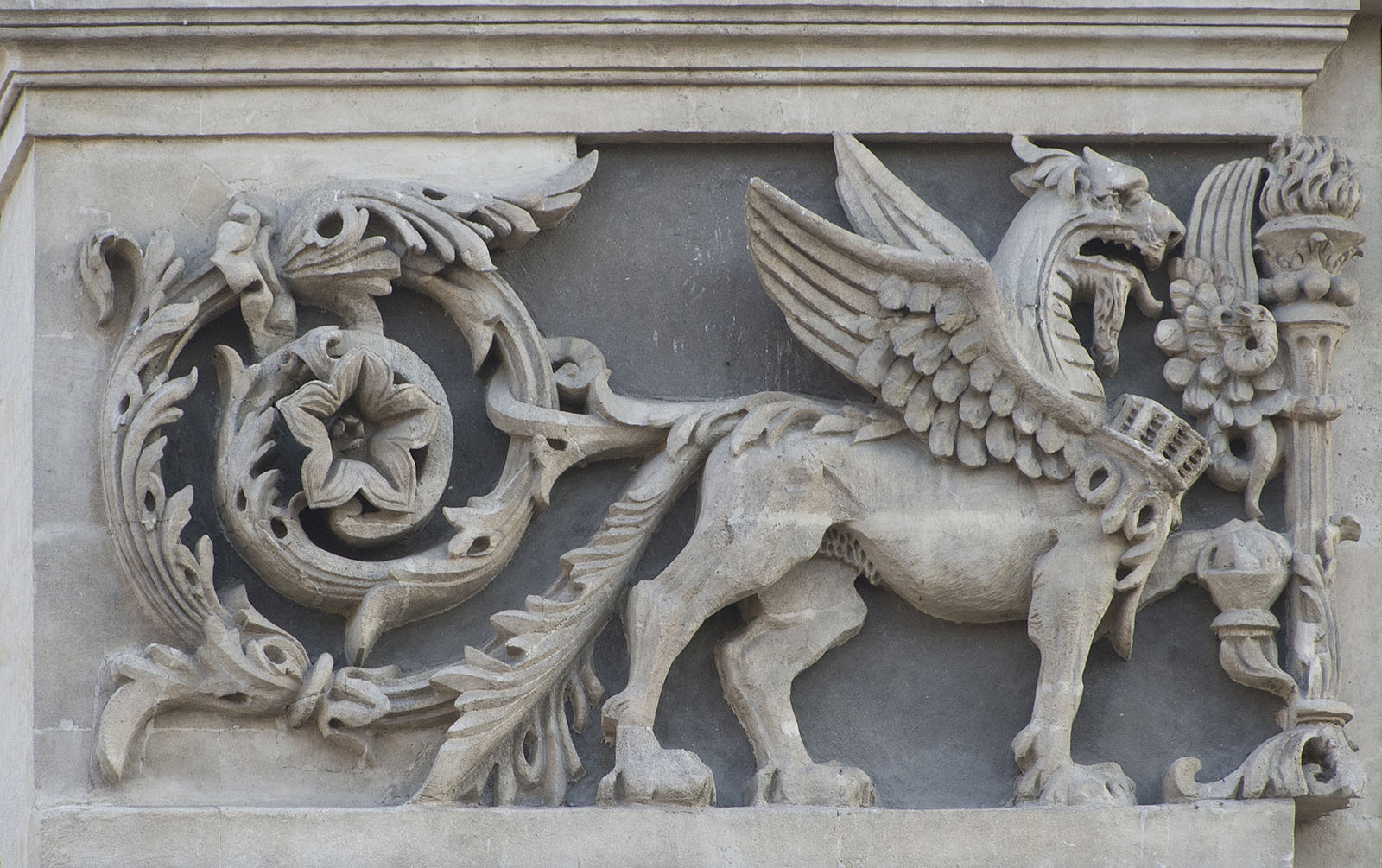
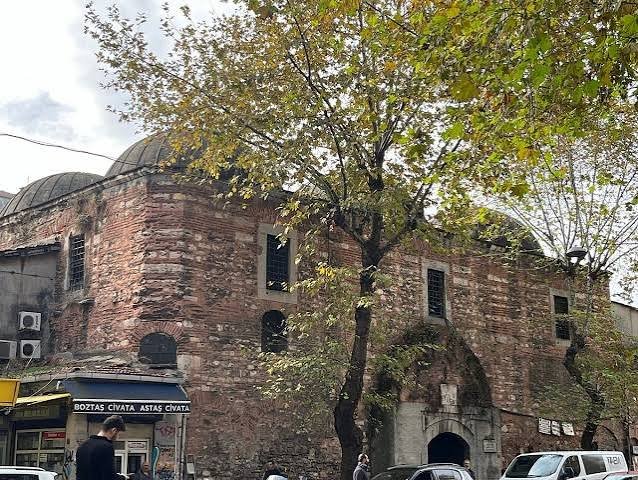
The Genoese probably settled in Galata at the end of the 12th century and, taking advantage of Byzantium's weakening, walled the area in step by step. The colony was governed by a magistrate appointed by Genoa, the "podestà"; his palace is the building known today as Bereket Han. The Galata Tower, raised in 1348, stood at the highest point of the walls. The deep ditches dug around them live on in the names of Büyük and Küçük Hendek and Lüleci Hendek streets. A few stretches of wall and towers survive, and Harup Kapı is still a gateway. Churches of Latin Galata stand too: the Arap Mosque, built as a Dominican church in the 14th century and converted in 1475, Sankt Georg, and Saint-Benoît, the oldest Catholic church in the area still in use.
Places
Historic SitesRead more →
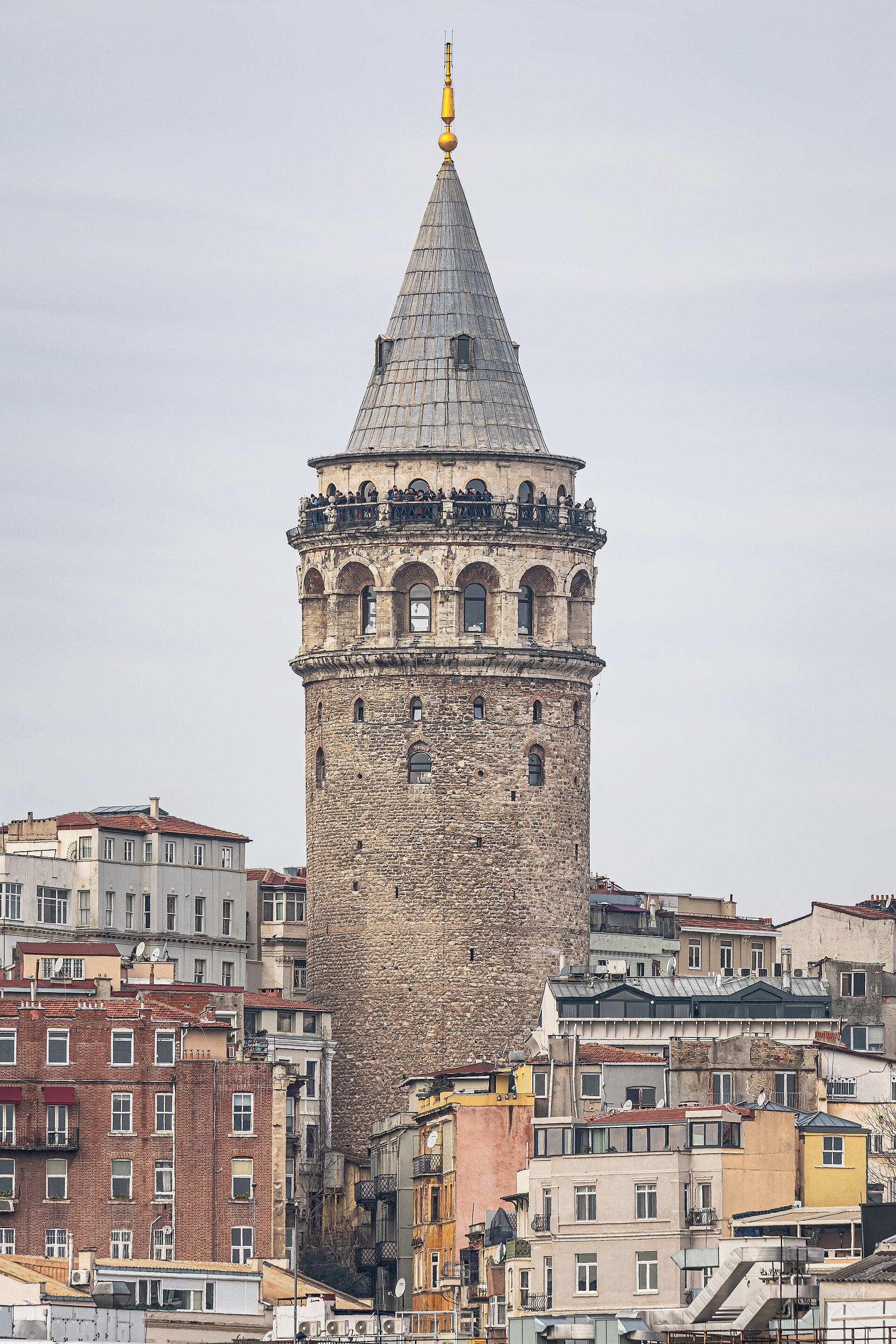
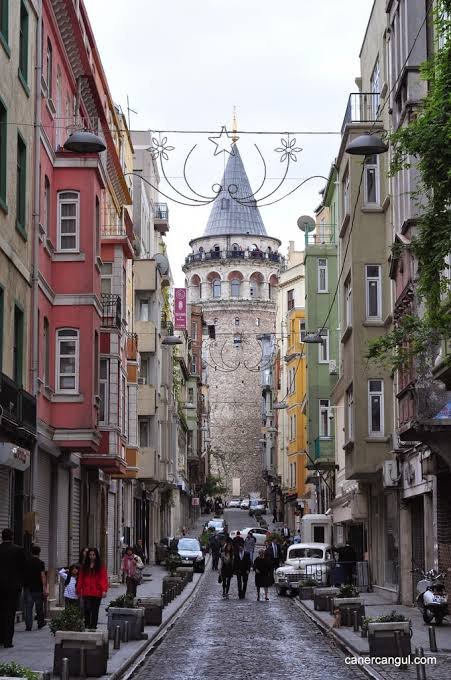
Galata Tower
Galata Tower was located on the highest point of the Galata walls, commanding a magnificent view of the Golden Horn and the southern end of the Bosphorus.
Bereketzade Mah., Galata Kulesi Sk., Beyoğlu
Daily from 08:30 · night museum in the evening · last entry around 22:00 €30 for foreign visitors · 200 TL for Turkish citizens · Müzekart valid for Turkish citizens · free for Turkish citizens aged 8–18 and over 65
If you had the chance to visit Galata in the 16th century and land on a Golden Horn wharf, say, near Saint Antonio Gate, you would enter the city by passing through the old Buğulu (Bugalice) Gate, proceed to the north along the wall line on your left and, after some walk, you would encounter the Harup Gate from 1387, and the Saint Bartholomew Tower from 1442, further along to the north.
Before the Conquest, the Genoese colony in Galata was ruled by a governor, who was called as “podesta,” and assigned by the Genoa Republic as its permanent ambassador to Byzantium.
Corner of Bankalar Cad. and Perşembe Pazarı Cad., Karaköy
How is Bereket Han, near Bankalar Street, connected to the seat of government of Genoese Galata? A book, a study and two dates shed light on the question.
HistoryRead more →
Walls of Galata
The March 1304 treaty with the Byzantium was granting self-governance rights to the Genoese colony in Galata, but it didn’t grant them the right to build fortification walls.
HistoryRead more →
How Were the Walls of Galata Demolished?
The walls of Galata were not pulled down in a day. Ottoman archive documents and old maps tell the story, from the decision of 1863 to the metro line that opened in 2014.
HistoryRead more →
Galata from the Middle Ages to the 19th Century
From early on, Galata was one of the most important outer districts and ports of Constantinople.
HistoryRead more →
The Changing Address of the Galata Customs House
Yağkapanı Gate, the Bedesten and Kurşunlu Mahzen tell of two different periods of the Galata customs. Using court registers and maps, we follow why an old address changed.
HistoryRead more →
The Swifts of Galata Tower
Every year swifts return from Africa to nest in the gaps in the walls of Galata Tower. We gathered the birds’ calendar, what happened during the restorations of 2020 and 2024, and the story of their Turkish name.
Walking routes
Azapkapı – Perşembe Pazarı — From the western end of the walls to the Golden Horn shore: old city gates, fountains and the hans of Perşembe Pazarı. (21 stops)
Voyvoda (Bankalar Street) — The Ottoman axis of finance: neoclassical bank buildings, hans, synagogues and the Camondo Stairs. (26 stops)