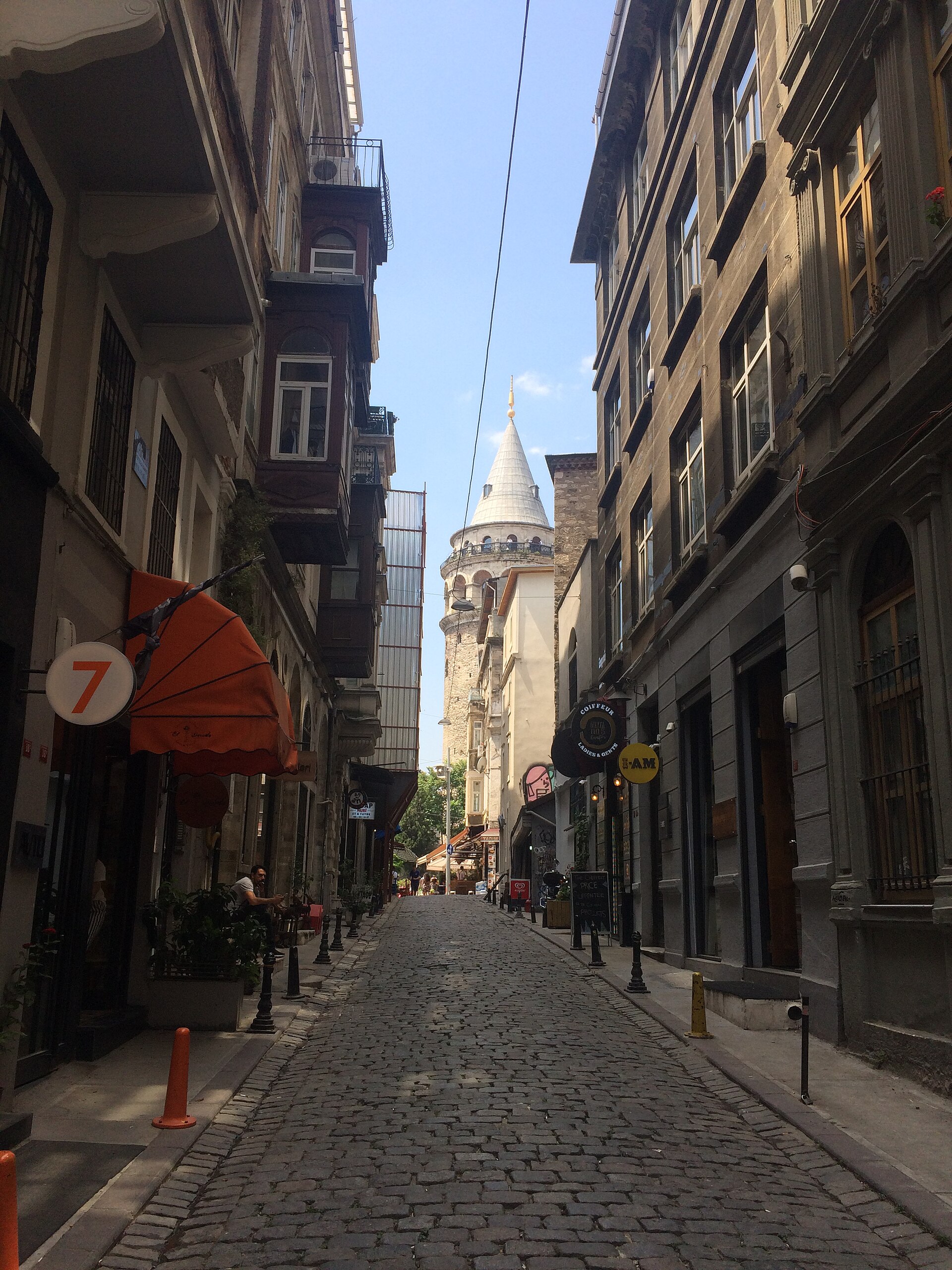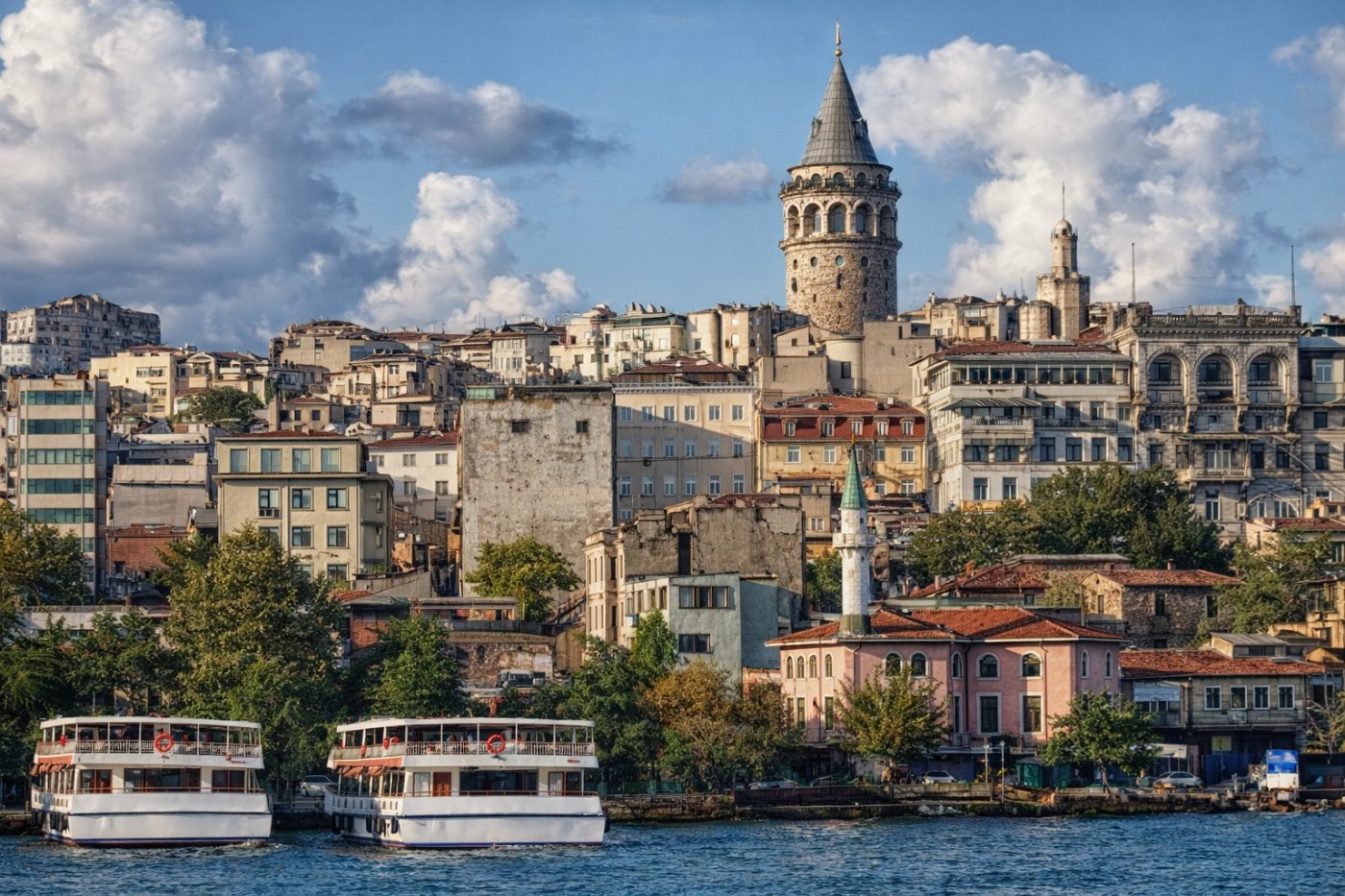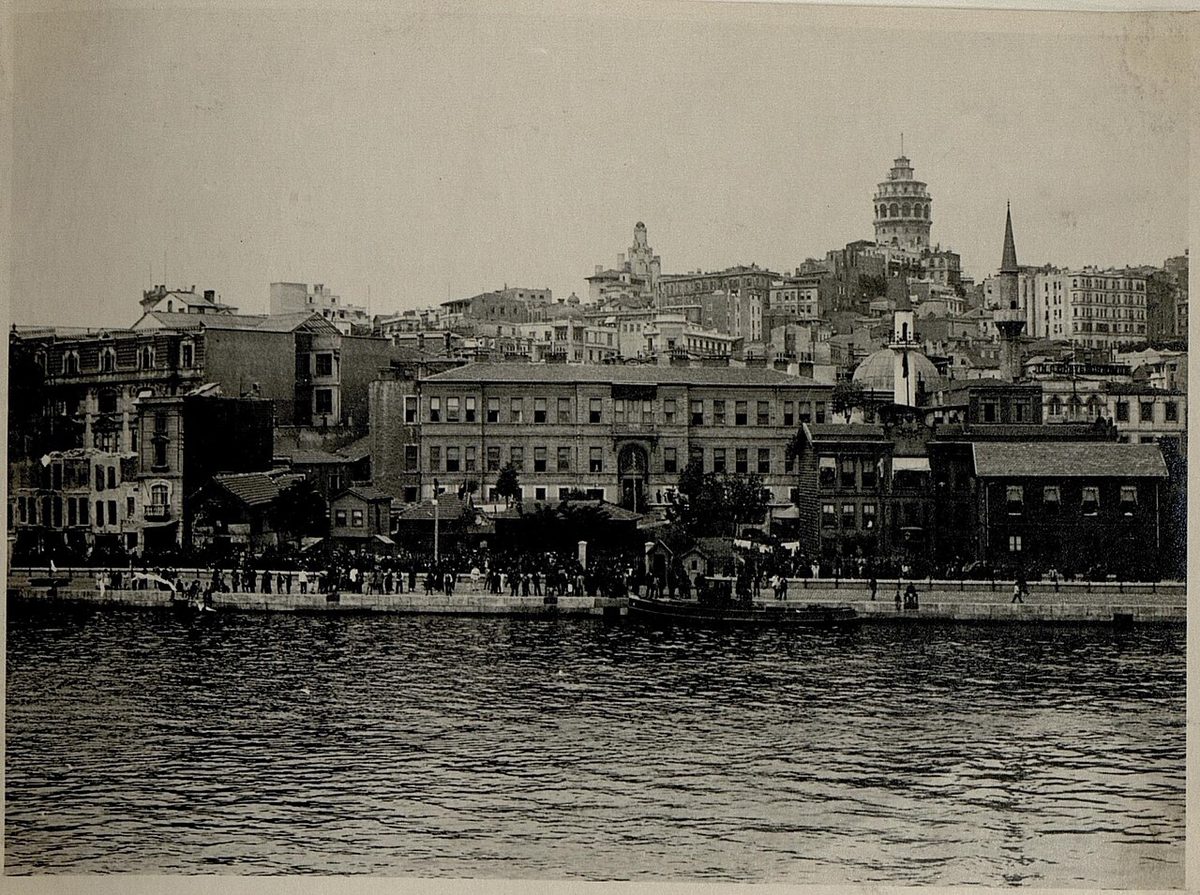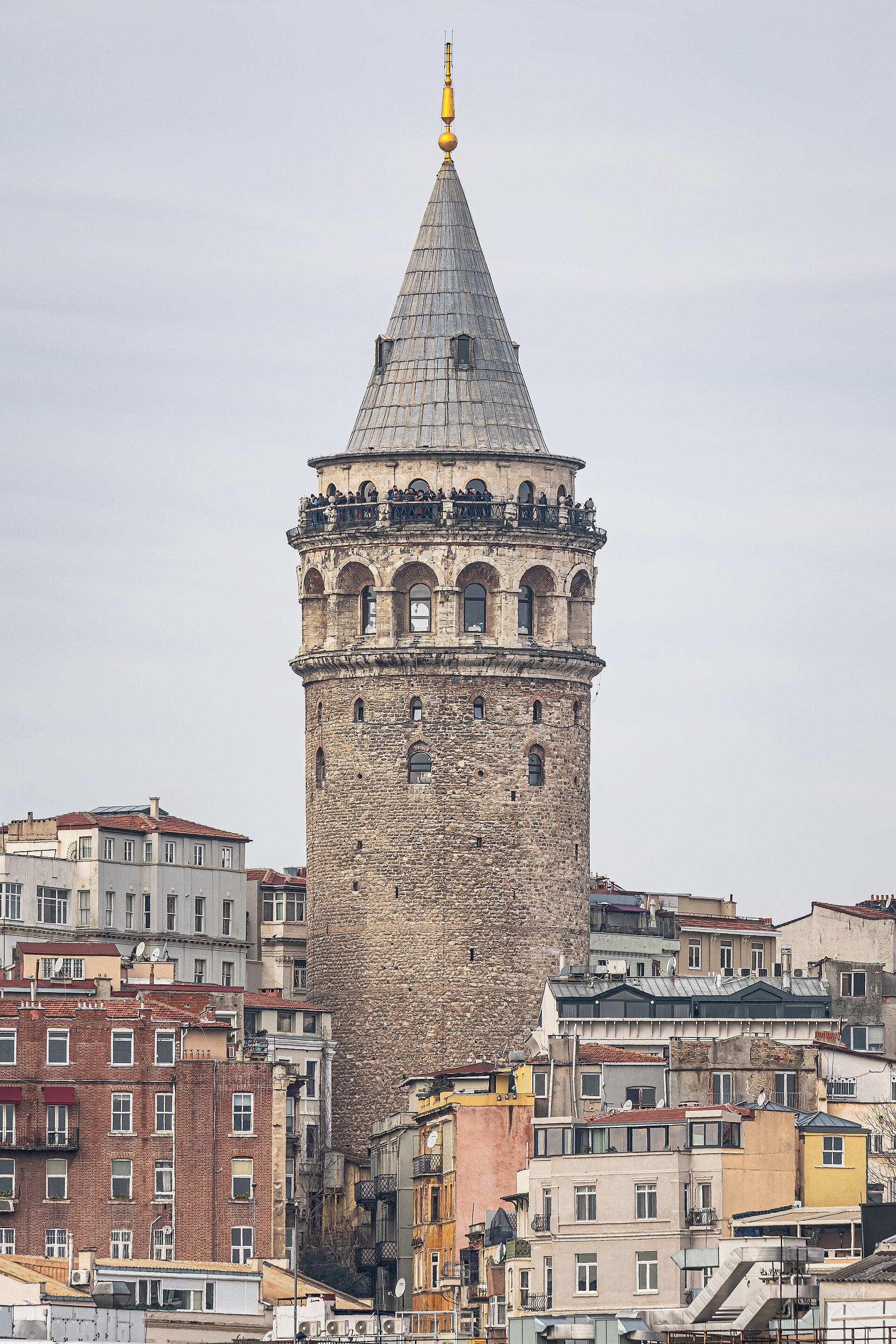
Anyone looking at Galata Tower in summer sees dark birds with sickle-shaped wings wheeling in flocks around the stone shaft. They are not swallows but swifts. Every year the small gaps in the tower’s outer face serve as their nests. In 2020 Alaz Uslu of the Simurg Bird Nest Association said that the tower held about 100 nests, with at least 200 chicks growing up in them. [3] Before the repairs of 2024, a statement spoke of nearly 400 migrant birds’ nests in the tower walls. [5] The two figures were given at different times by different people; no detailed count has been published.
The birds’ calendar
According to Levent Turan’s study, which brings together swift records in Turkey, the common swift (Apus apus) is a summer migrant in Turkey. It usually arrives in March and leaves in autumn, between September and November. It is also the most common of the four swift species recorded in Turkey. [1] News reports in 2020 did not say which species nests on the tower. [3]
The birds build nests and raise their young on the tower. In 2020 veterinarians who spoke on the matter said that breeding could continue until the end of August and that the nests should not be touched until the end of September. [3] So the best time to see the tower with its swifts is between late spring and late summer.
A life in the air
What ties a swift to the tower is its nest. Anders Hedenström and his team at Lund University followed swifts fitted with small data loggers. Some of the birds did not land once in the ten months outside the breeding season, and those that did settle now and then still spent more than 99 per cent of that time in the air. [2] A swift spends most of the year flying and comes down only to its nest. In Galata, that nest is in the walls of the tower.
The scaffolding of 2020
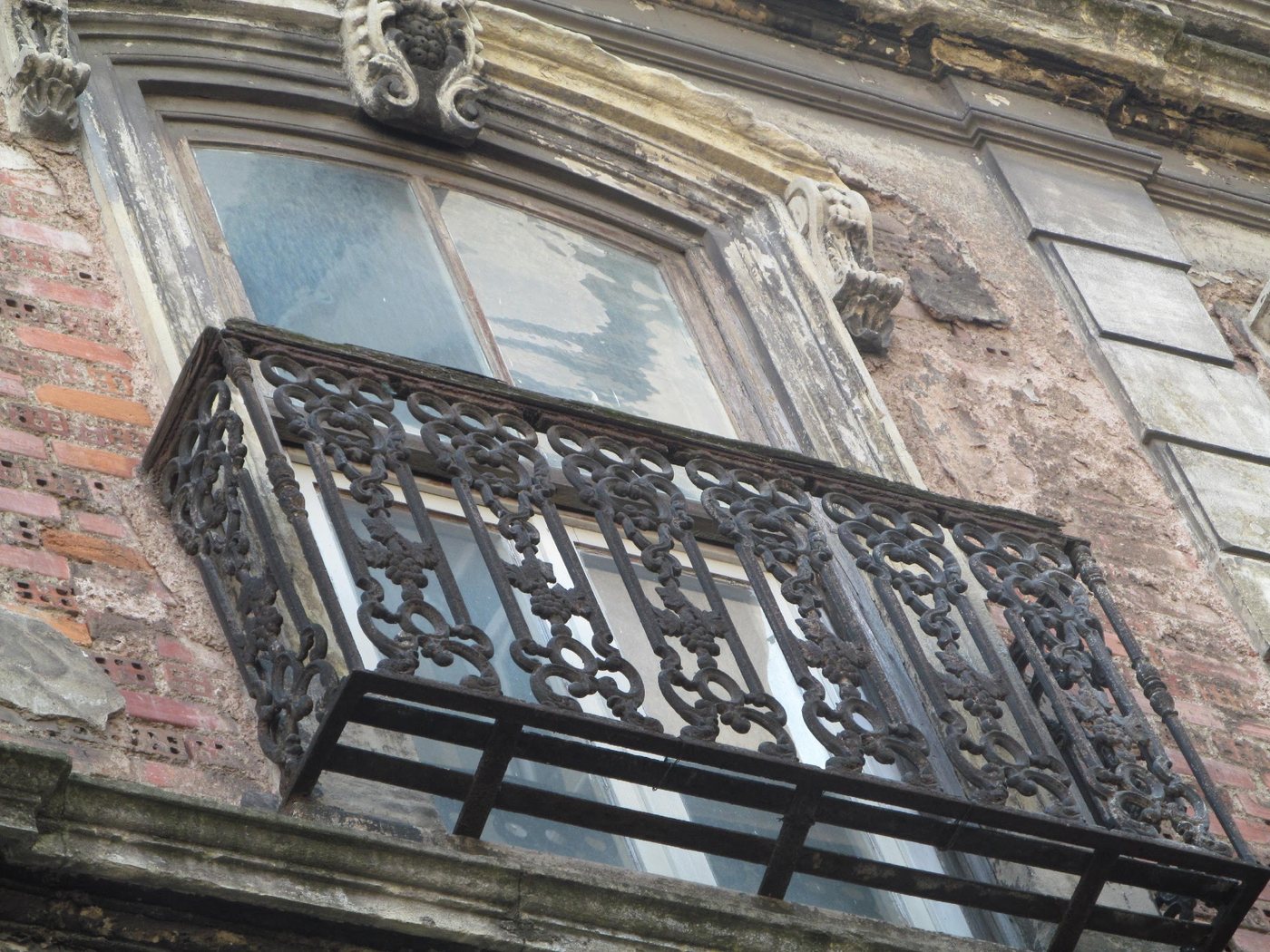
In summer 2020 scaffolding went up on the façade for the restoration that had begun on the tower. Once it blocked the nest entrances, the swifts could no longer reach their chicks, and bird associations and veterinarians asked for the work to be postponed. [3] Ömür Gedik wrote that the small holes and hollows left in the tower walls by Genoese and Ottoman builders had housed swift colonies for centuries. [4] On 6 July 2020 the Minister of Culture and Tourism, Mehmet Nuri Ersoy, announced that work on the tower’s exterior would pause until the birds migrated. The work on the façade was left until autumn, while the work inside went on. [3]
The repairs of 2024
At the start of 2024 the tower closed again for earthquake strengthening and exterior repairs. A statement said that all the work would be carried out with regard to the birds’ nests and the swifts’ migration season. [5] The General Directorate of Cultural Heritage and Museums announced that the tower, which reopened on 25 May 2024, had been arranged so that it would also be home to migrating swifts. [5]
The story of the name
The Turkish name for the bird, “ebabil”, is the same as a word in the Sura of the Elephant (Fil Sûresi) in the Qur’an. According to Mustafa Çağrıcı’s entry in the TDV İslâm Ansiklopedisi, commentators usually take the word to mean birds coming “in flocks, in clusters”. The sura gives no information about what kind of birds they were. [6] In Gedik’s piece too, swifts are called the sacred birds of the Sura of the Elephant. [4]
Related pages
Source: Galata HUB’s own text, based on: [1] Levent Turan, “Ebabil (Scopoli, 1777) Türlerinin Türkiye’deki Dağılımı ve Takvimi Üzerine Araştırmalar”, Trakya Üniversitesi Fen Bilimleri Dergisi 6/2 (2005), pp. 113–117 · [2] Anders Hedenström et al., “Annual 10-Month Aerial Life Phase in the Common Swift Apus apus”, Current Biology 26 (2016), pp. 3066–3070 · [3] bianet, 2 and 6 July 2020; Yeşil Gazete and Gazete Duvar, 7 July 2020 · [4] Ömür Gedik, “Kutsal kuşlar ölümden döndü”, Hürriyet, 9 July 2020 · [5] Milliyet, February 2024; Diken, 24 May 2024 · [6] Mustafa Çağrıcı, “Fîl Sûresi”, TDV İslâm Ansiklopedisi, vol. 13 (1996), pp. 69–70
Last updated:
Spotted a mistake or something missing on this page? Suggest a correction