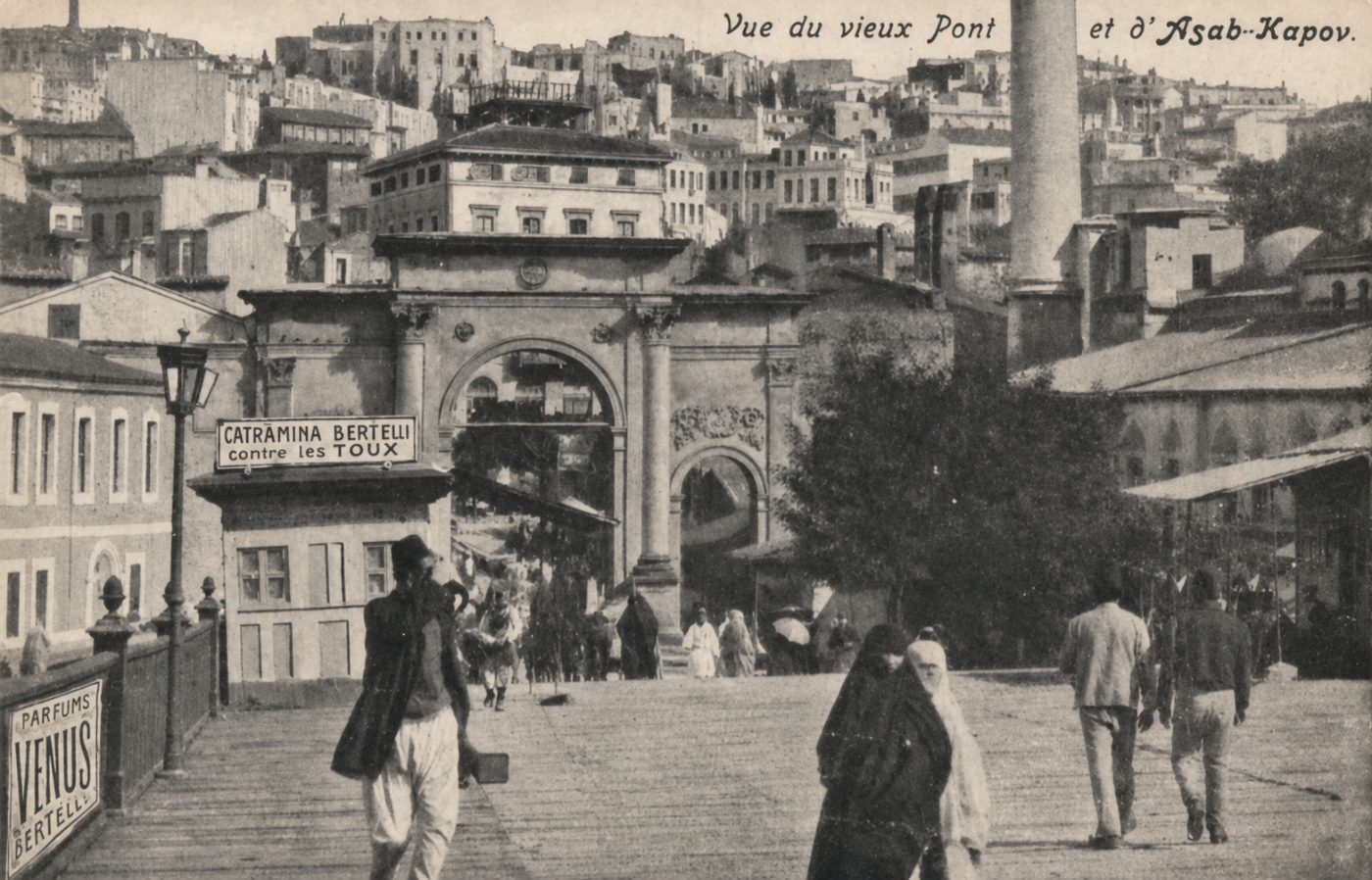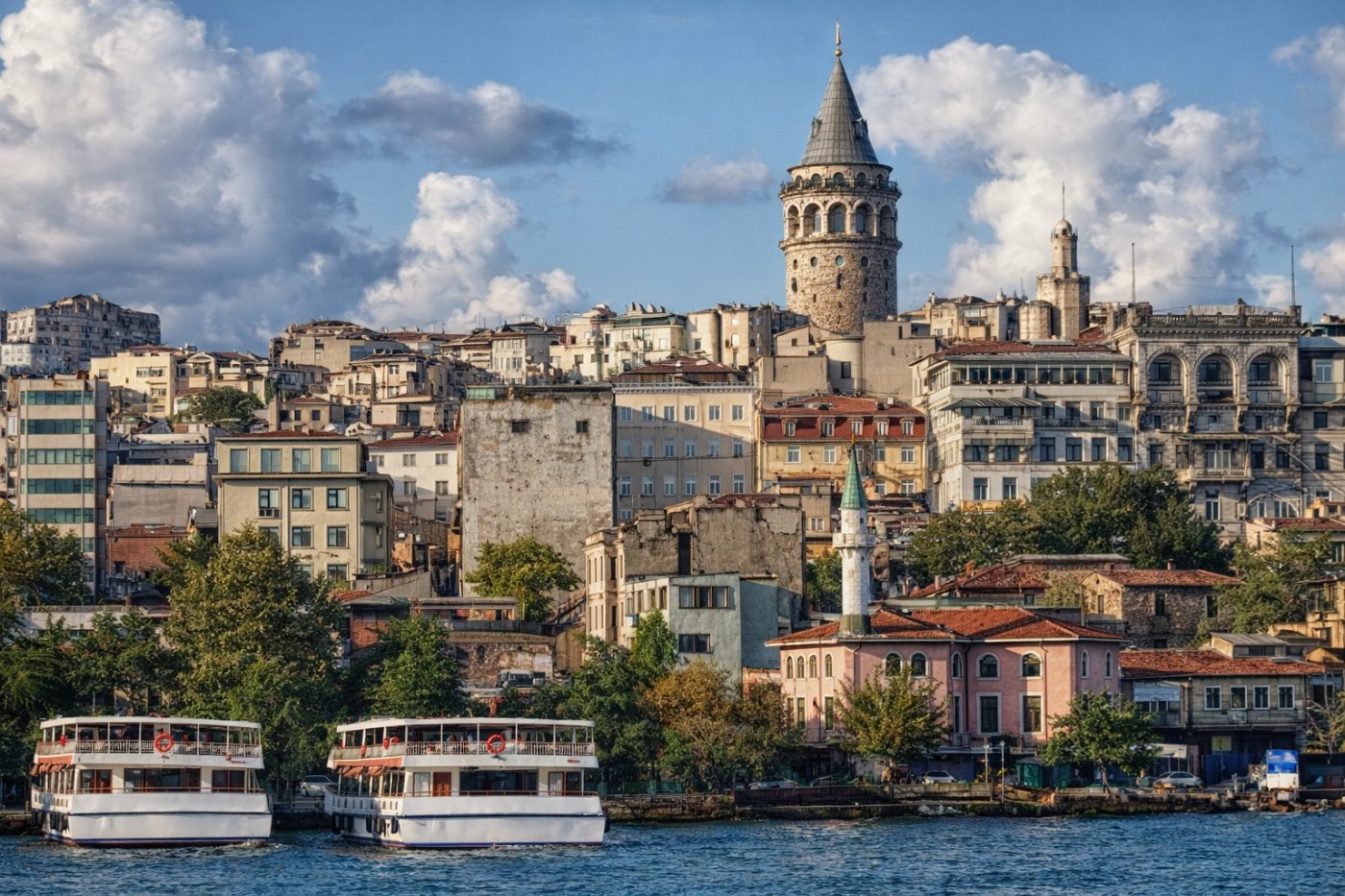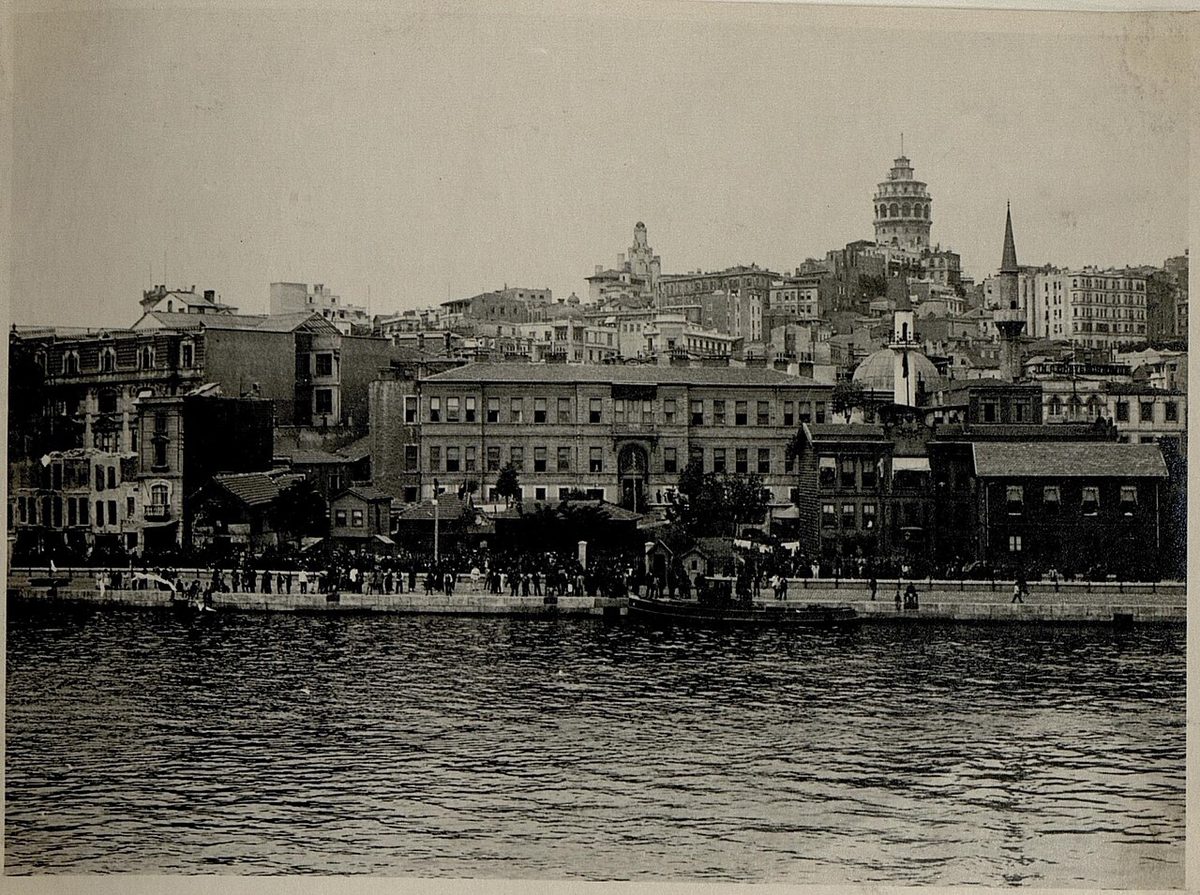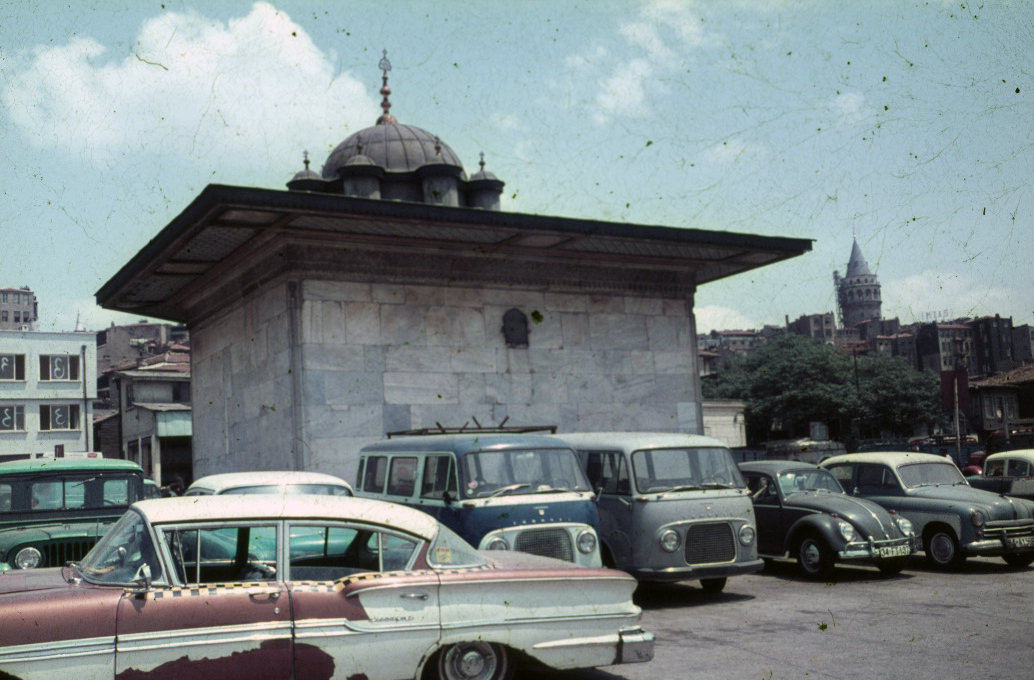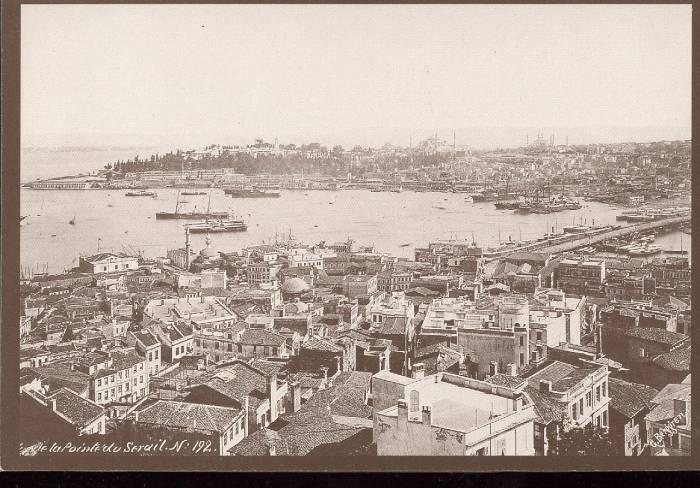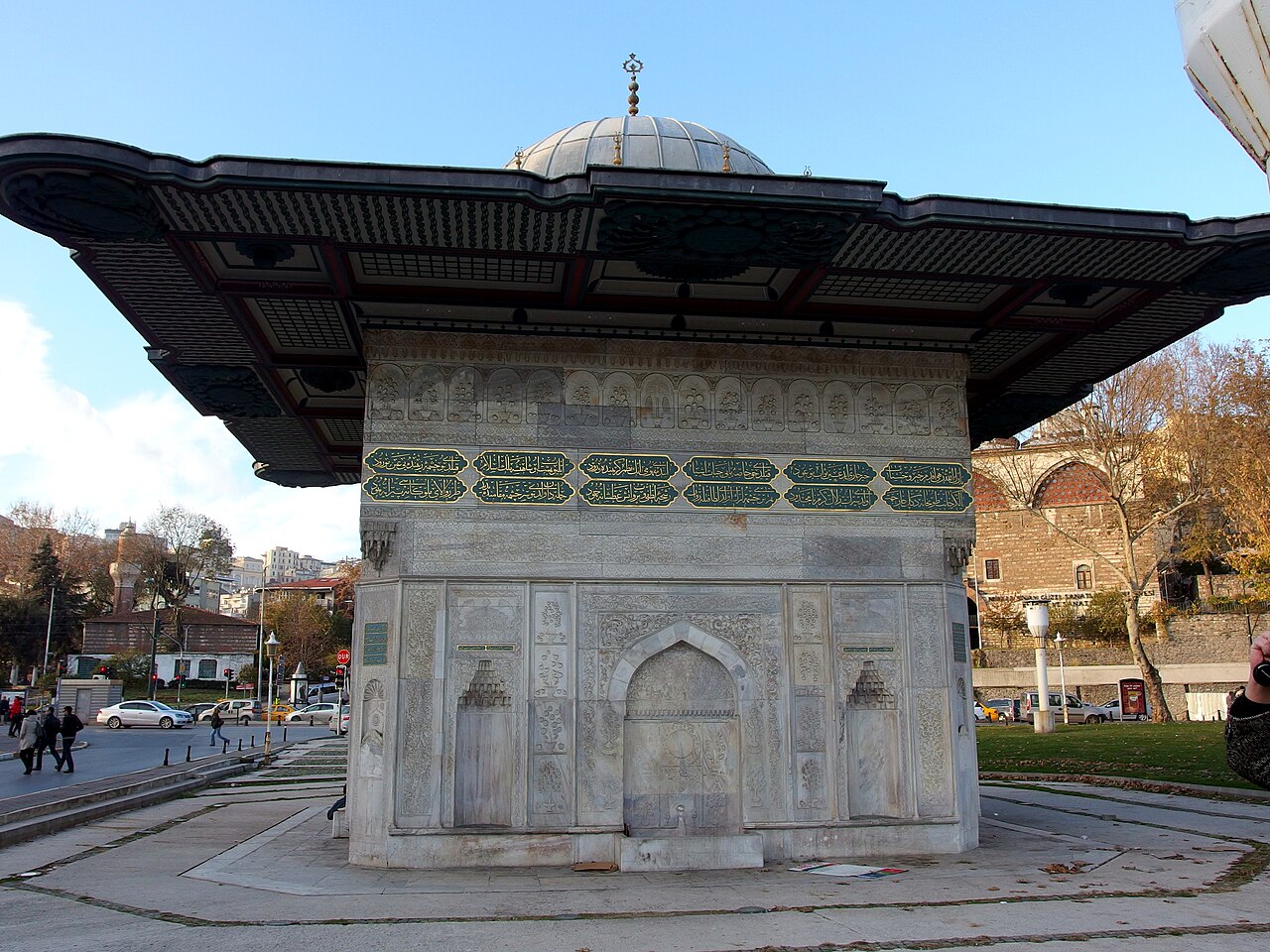
To bring the Saliha Sultan Fountain at Azapkapı and the fountain in Tophane Square side by side, we first have to move away from the shore. At the beginning of the eighteenth century, as the neighbourhoods north of the Golden Horn grew, so did their need for water. Water gathered around Bahçeköy passed over arches and through clay pipes to reach the reservoir at Taksim, the maksem where the water was divided into branches. The first line was completed in 1732. Both square fountains were fed by this network. [1, 2]
The inscription at Azapkapı records that the building was put up in 1732–33 in the name of Saliha Sultan, the mother of Mahmud I. A sebil with three windows projects towards the street, with a fountain on either side. The verses of the inscriptions on the marble were written by Seyyid Vehbî and their calligraphy drawn by Eğrikapılı Mehmed Râsim. There was once also a separate primary school beside it, with its classroom on the upper floor. [2]
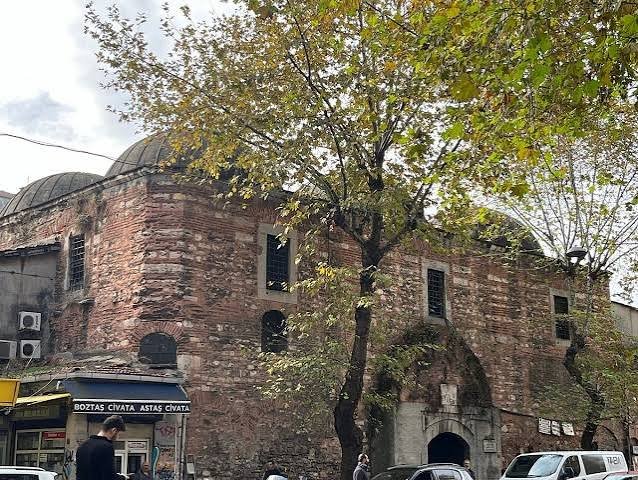
In Tophane the same water reached the fountain built in the name of Mahmud I. In Çelik Gülersoy’s account of the historic square, the nearby Kılıç Ali Pasha Mosque, the market and the old shoreline appear side by side. On today’s map Azapkapı and Tophane look like two separate stops; following the water, they meet within the same investment in the city. [2, 3]
Related pages
Source: Galata HUB’s own text, based on: [1] Kazım Çeçen, “Taksim Suları”, TDV İslâm Ansiklopedisi, vol. 39, pp. 478–480 · [2] Semavi Eyice, “Azapkapı Çeşmesi ve Sebili”, TDV İslâm Ansiklopedisi, vol. 4, pp. 310–311 · [3] Çelik Gülersoy, “Son 400 Yılda Tophane Semti”, 8th Turkish History Congress, vol. III, pp. 1637, 1643
Last updated:
Spotted a mistake or something missing on this page? Suggest a correction