Home / Themes / Ottoman Galata: Tophane and Azapkapı
Ottoman Galata: Tophane and Azapkapı
21 places
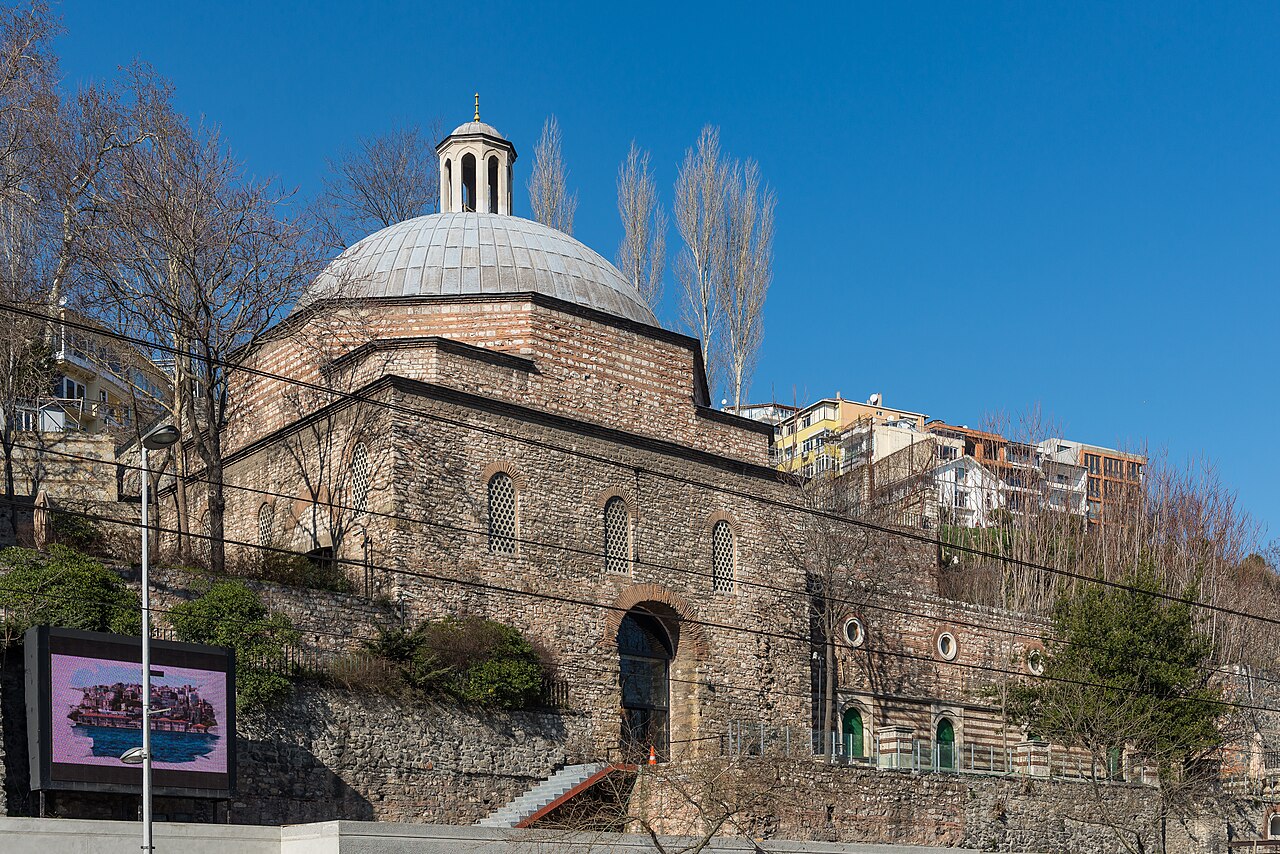
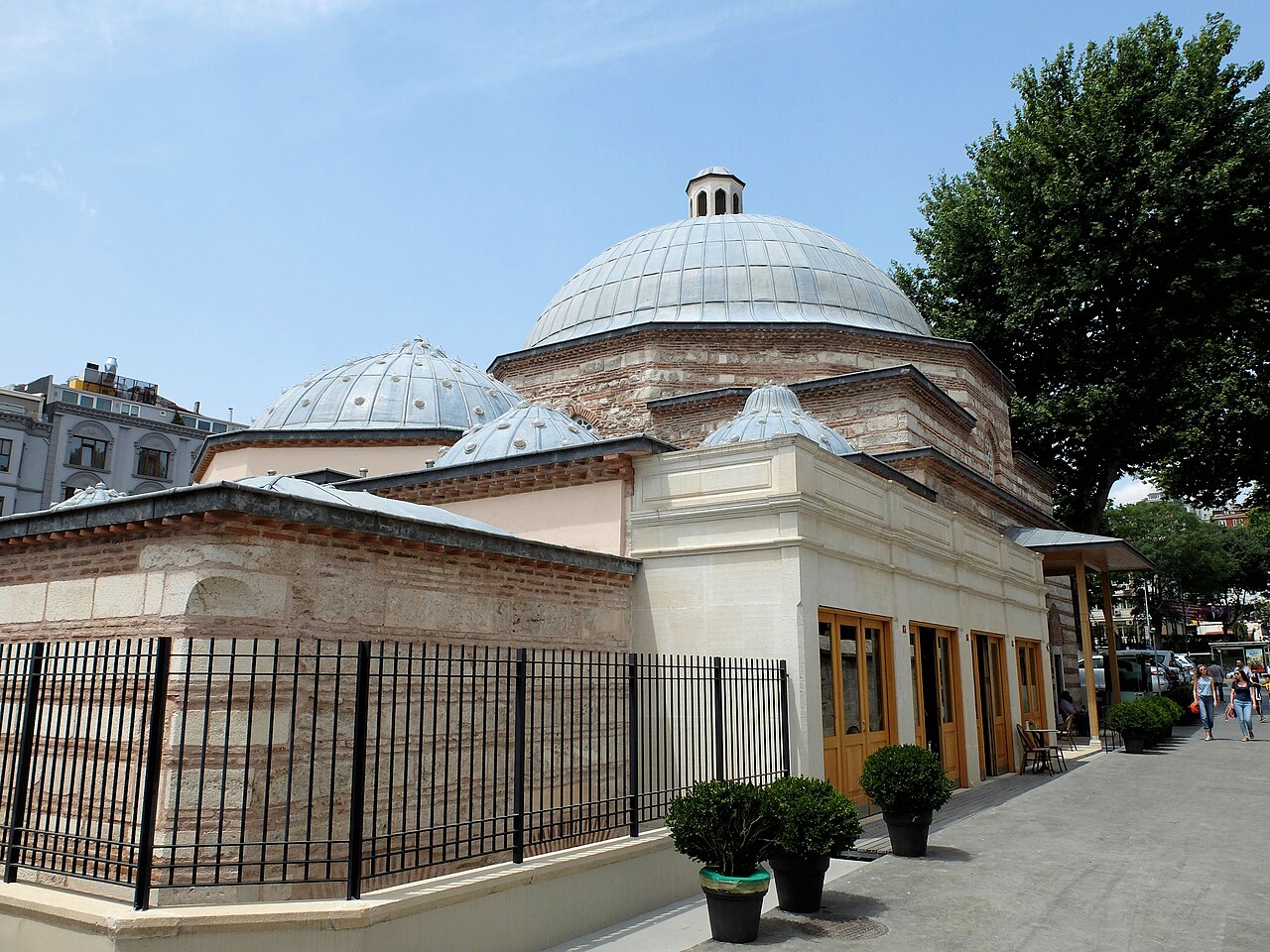
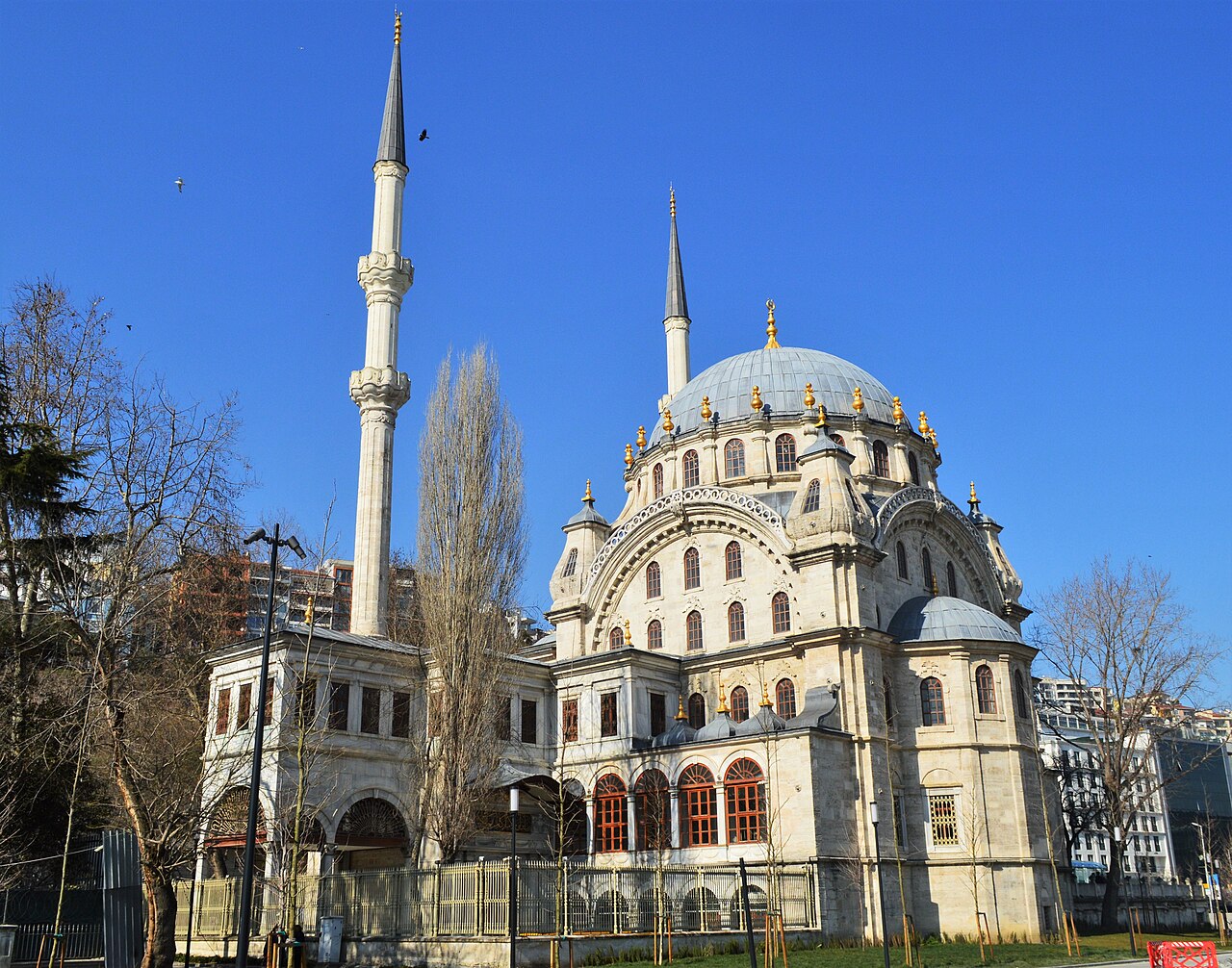
After the conquest, Ottoman buildings rose at both ends of Galata. In the west, at Azapkapı, Grand Vizier Sokollu Mehmed Pasha commissioned from Mimar Sinan the mosque dated 1577–78 and the Yeşildirek Bath; the nearby Saliha Sultan Fountain was once among the finest square fountains in the city. In the east, in front of the walls' eastern gate, the Tophane-i Amire was founded in the 15th century together with a cannon foundry. Here too Sinan designed a bath for Grand Admiral Kılıç Ali Pasha (1578–83). Mahmud I's Tophane Fountain of 1732 and Mahmud II's Nusretiye Mosque of 1826 complete the square. In between, Galata's trade went through the Bedesten and Kurşunlu Han. The Galata Mevlevi Lodge, founded in 1491, is the oldest in Istanbul.
Places
Streets & SightsRead more →
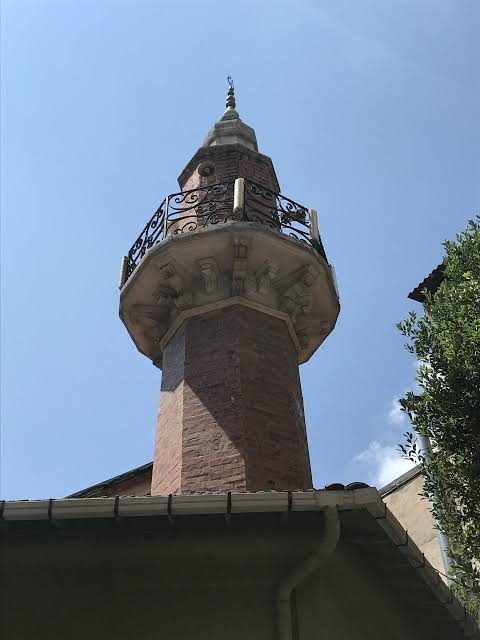
Azapkapı Sokollu Mehmet Pasha Mosque
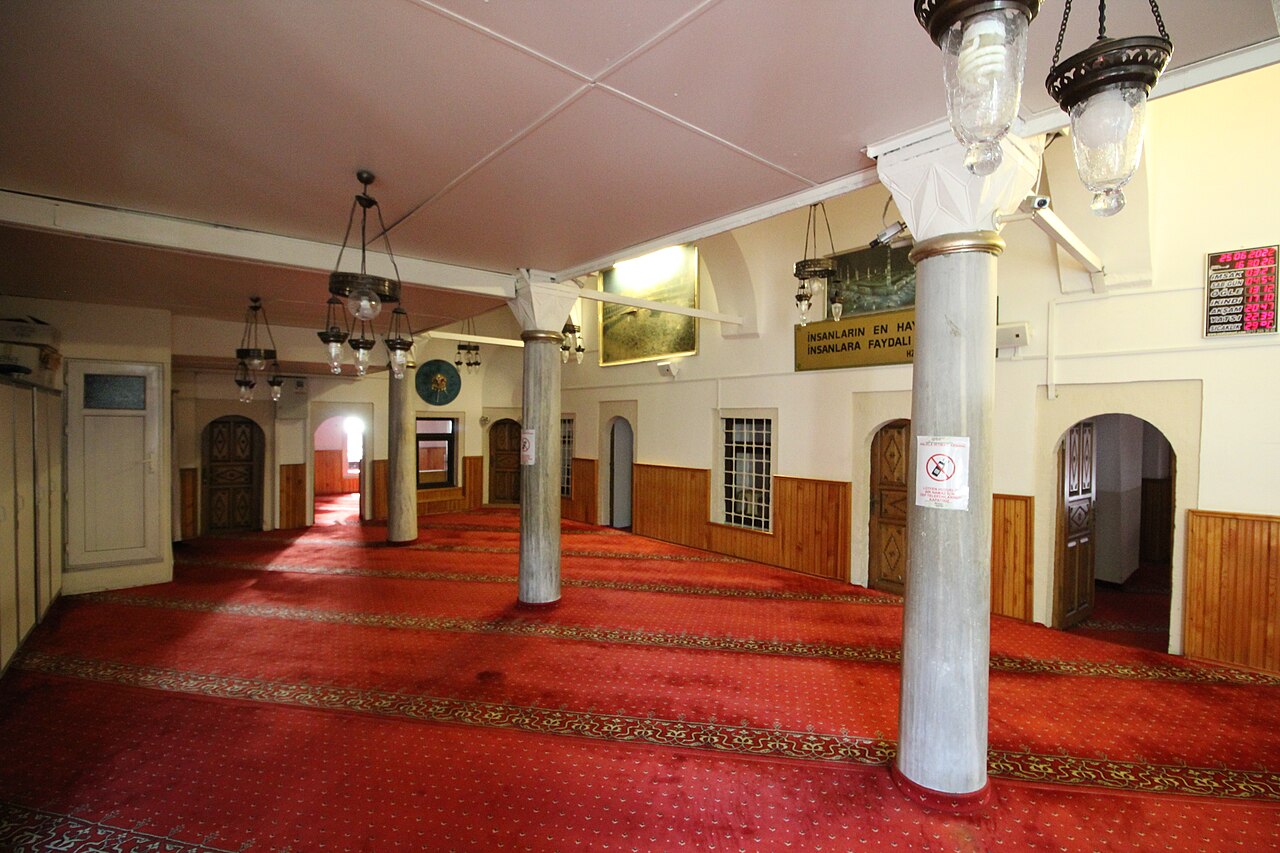
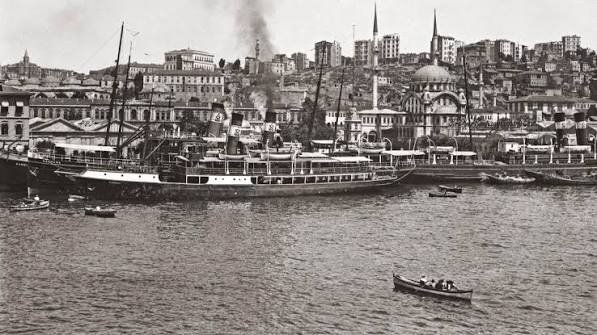
A mosque built by Mimar Sinan for Grand Vizier Sokollu Mehmed Pasha, dated 1577–78 by its inscription. For a traveler who lands on Galata wharfs in the second half of the 18th century, the experience would be an awe-inspiring one, because the squares these wharfs opened to were adorned with matchless monuments.
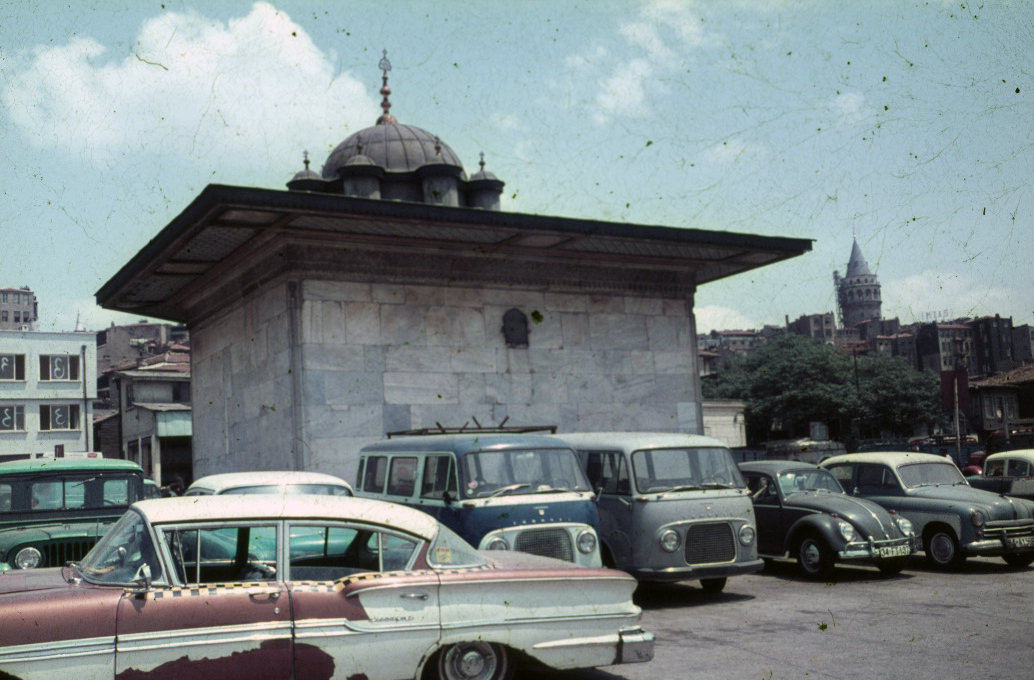
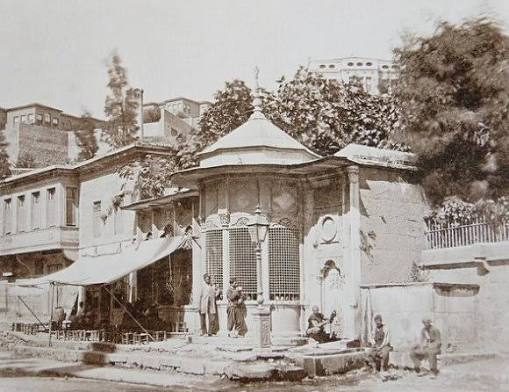
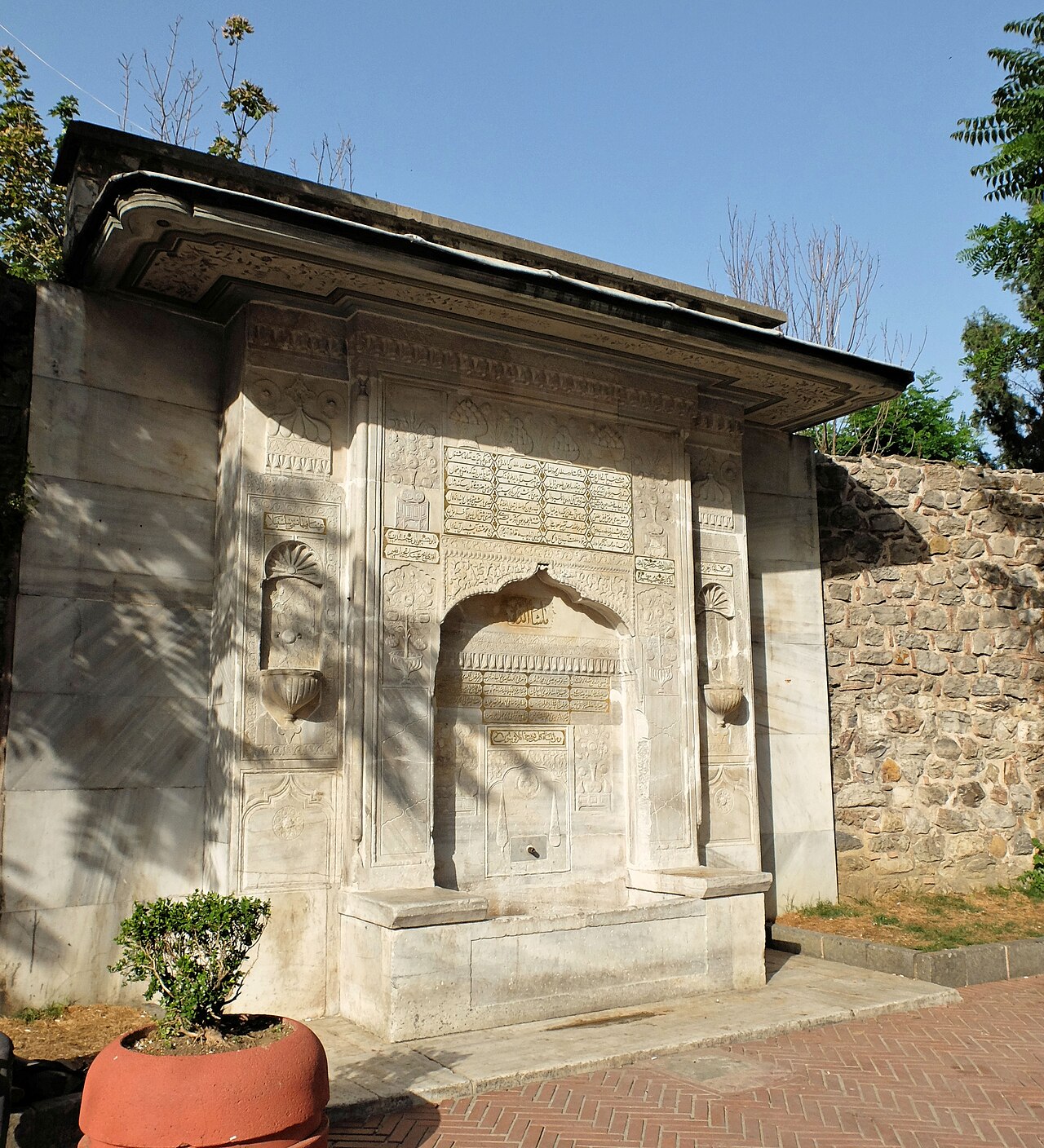
Featuring a drinking water kiosk in the middle and two taps on both sides, this monumental fountain was one of the most beautiful freestanding meydan fountains (lit.
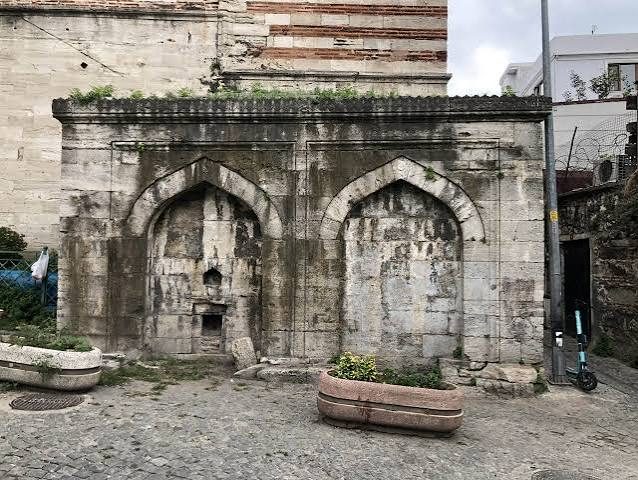
It is also known as Yeşildirek Sebil or Çinili Hammam (Tiled Hammam) Sebil. This water kiosk is on the left corner from the restaurant at 120 Tersane Street.
Next to Tersane Cad. No:120, at the start of Yolcuzade Sk., Azapkapı
The fountain is in Yüksek Minare Sokağı near Emekyemez Mescidi. Because of the elevation difference between the intersecting streets, today it seems as if half sunk to the ground.
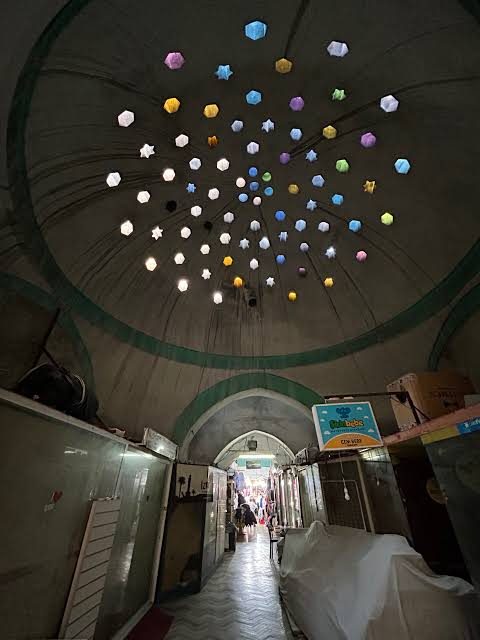
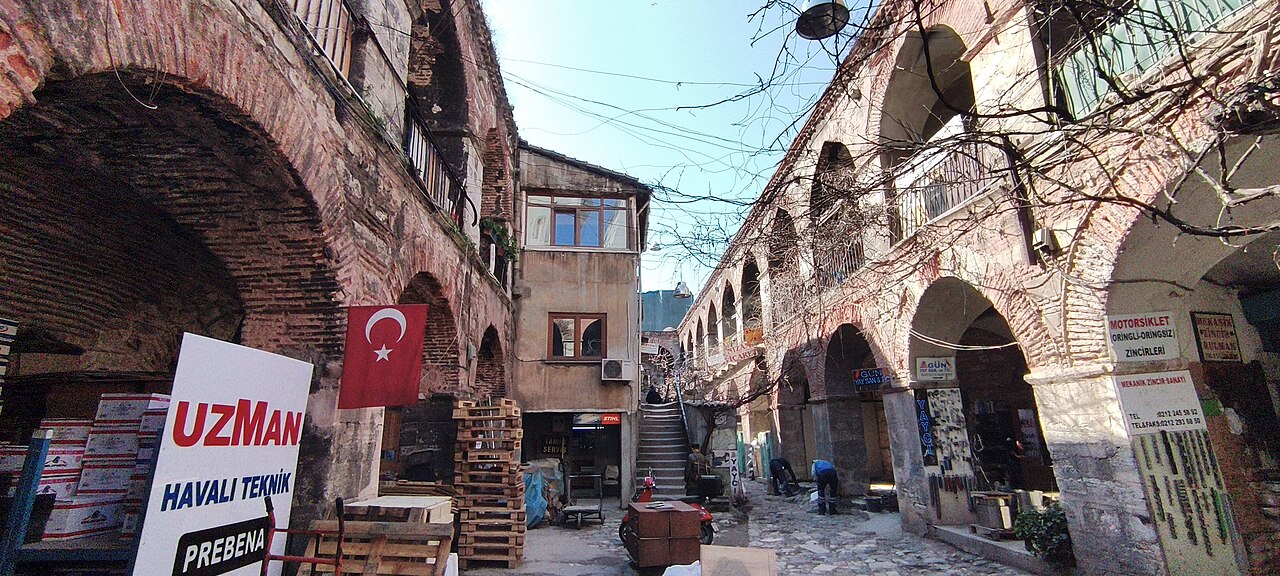
Bedestens were important commercial centers of Ottoman era Turkish cities. Galata Bedesteni, one of these centers, is located in the Lonca neighborhood, which extends inward from the Yağkapanı Gate (or, formerly, İskelekapısı Gate).
Named as Metopon (forehead) during the Byzantine era, Tophane (lit. “cannon foundry”) gained a new character after the Conquest with the establishment of iron foundries and artillery barracks.
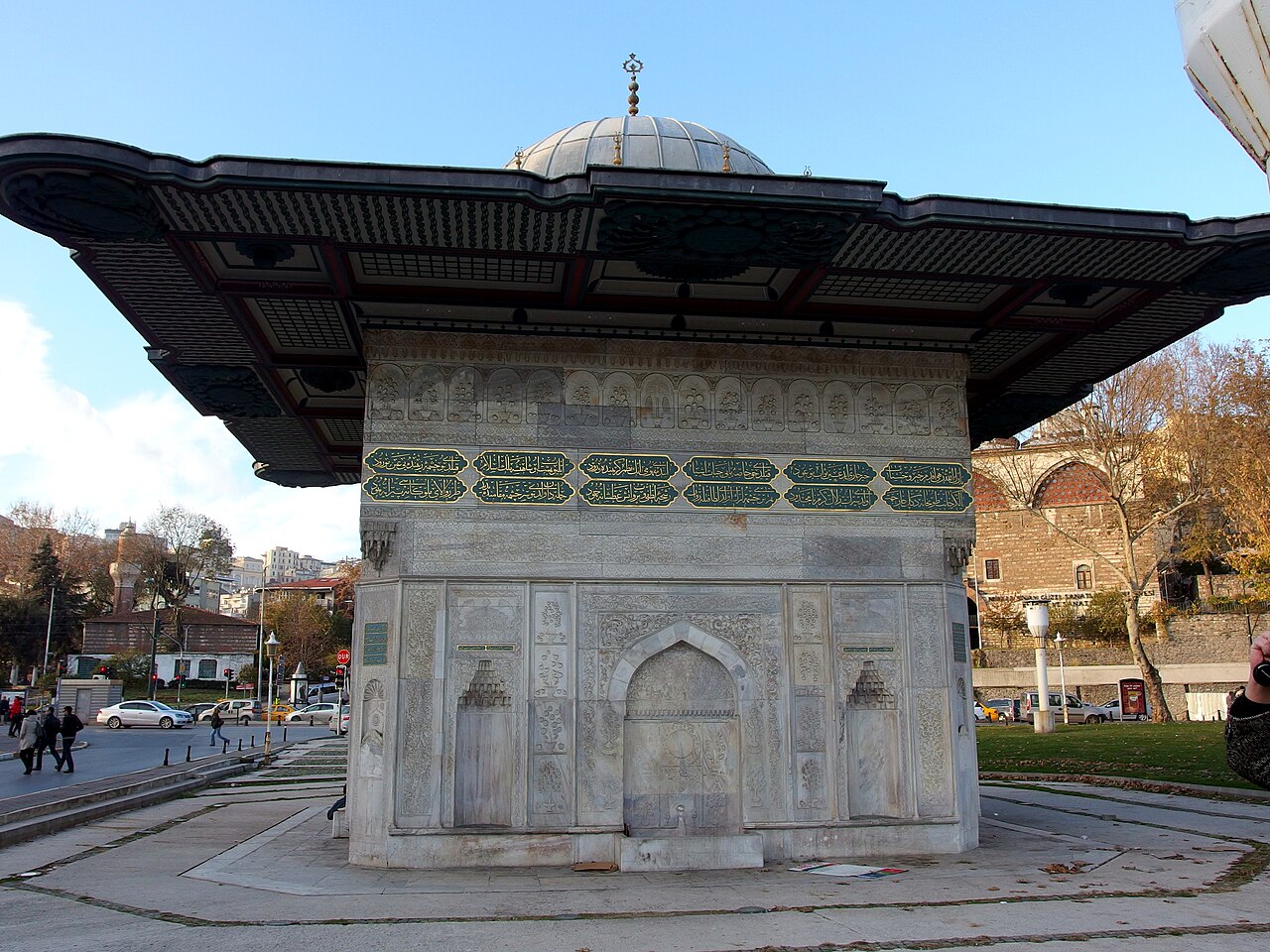
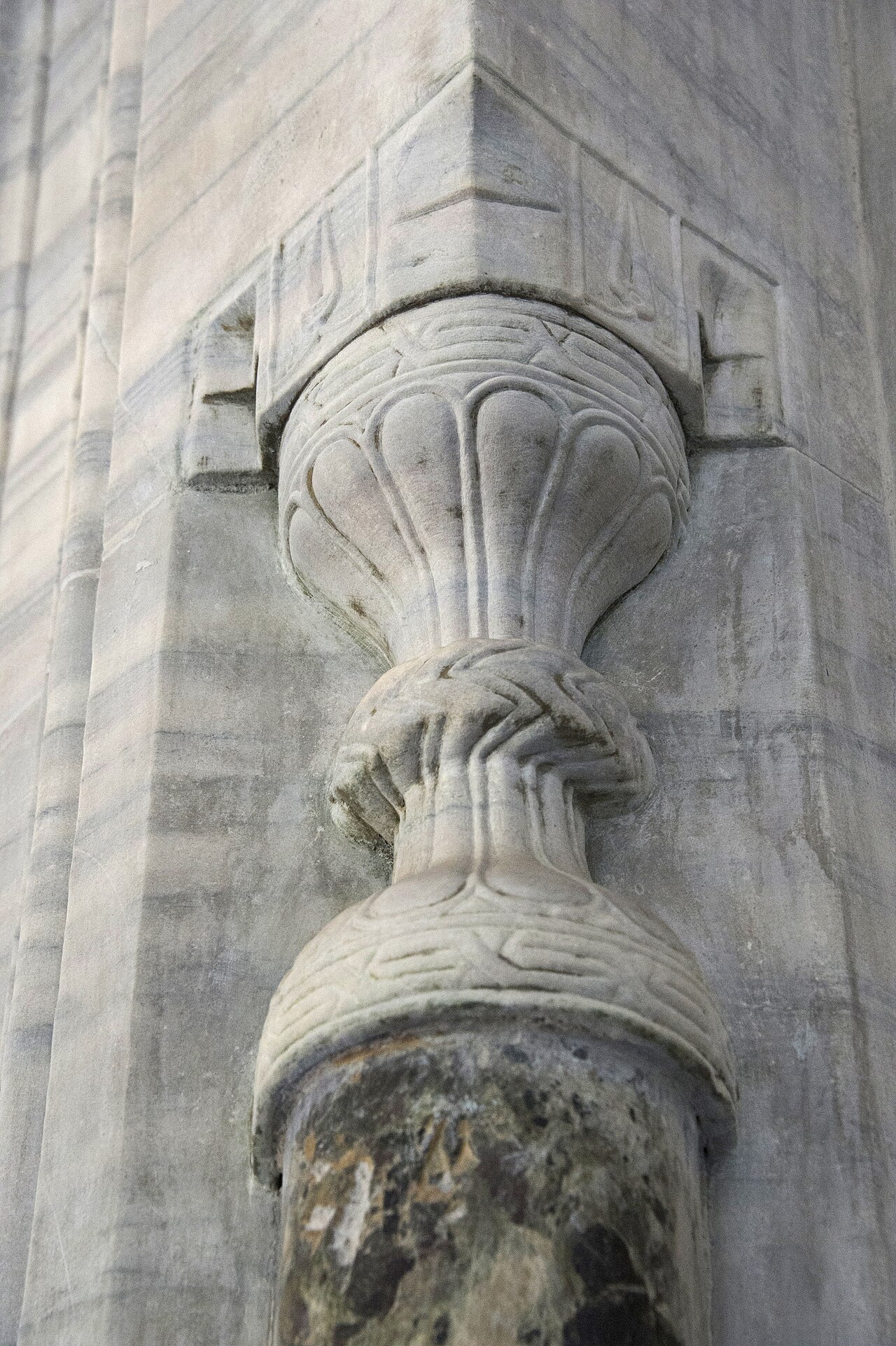
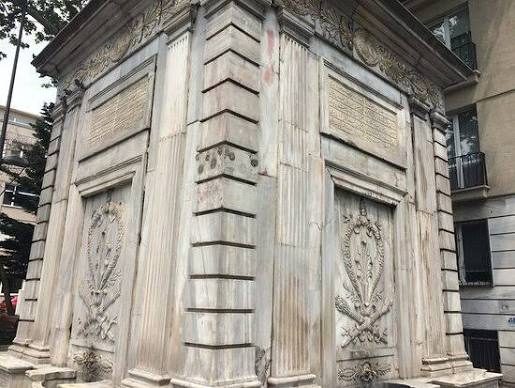
This matchless monument adorns Tophane Square in the eastern Galata. Tophane Fountain has the tallest walls in any fountain in the city and its marble façades are adorned with relief motifs.
Tophane Meydanı, Necati Bey / Tophane İskelesi Cad., Beyoğlu
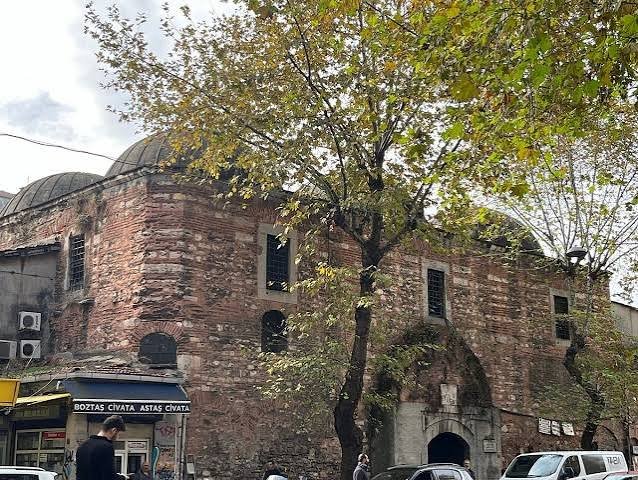
Once located outside the Galata walls, Kılıç Ali Pasha Mosque bears the name of an Ottoman seaman of Italian origin, who has been the Grand Admiral of the Ottoman fleet between 1571 and 1578.
An imperial mosque of 1826, built by order of Sultan Mahmud II to designs by the architect Krikor Balyan. One of the most elegant examples of the Empire and Baroque styles in Istanbul, with its sebil (water dispensary), its muvakkithane (timekeeper’s house) and its imposing gateway, right next to Galataport.
Meclis-i Mebusan Cad., Tophane (next to Galataport)
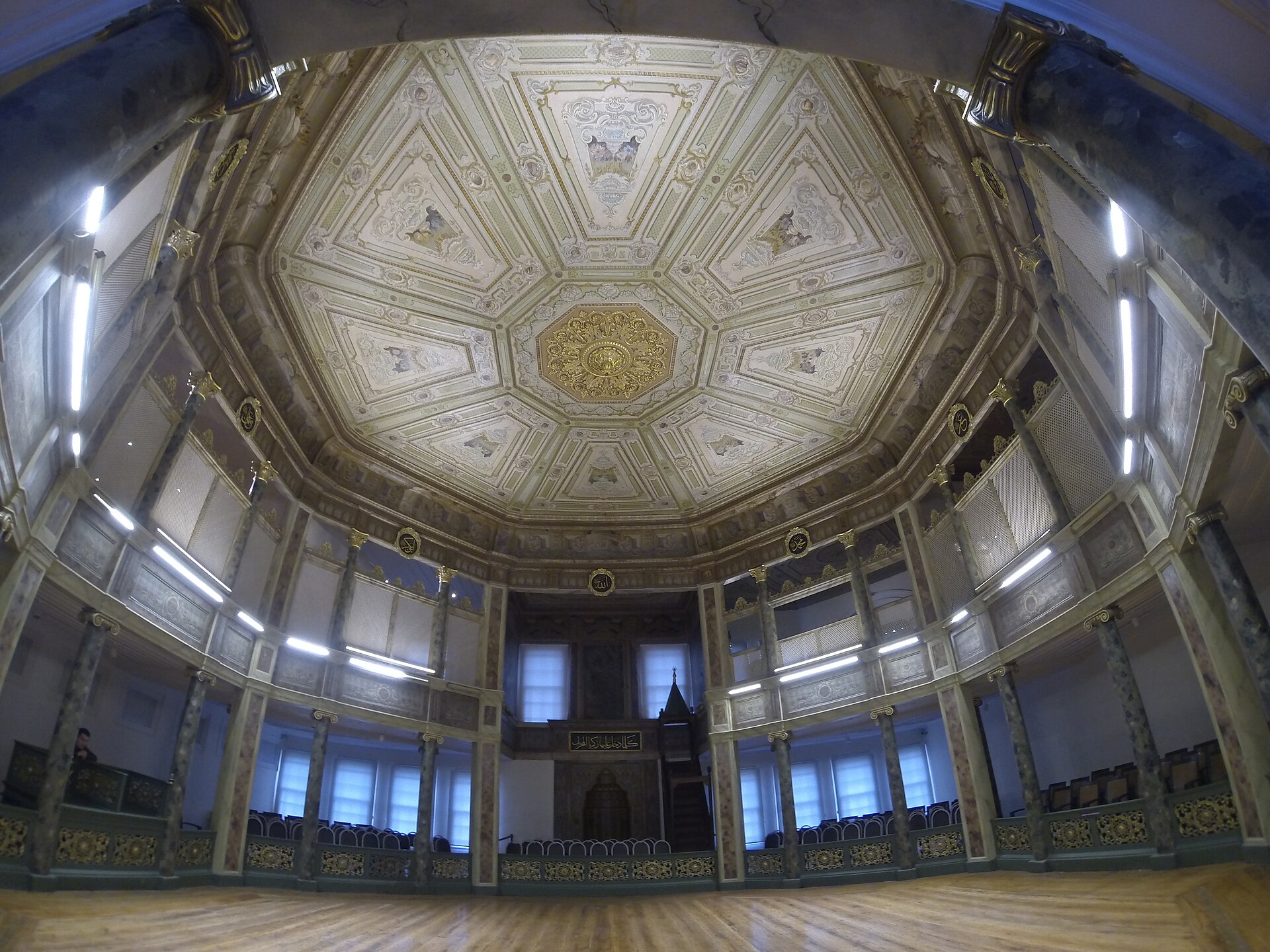
Galata Mevlevîhânesi, or Galata Dervish Lodge, is probably the oldest of the still-standing dervish lodges and cloisters in Istanbul – once, there were more than 300.
Galip Dede Cad. No:15, Tünel, Beyoğlu
Tuesday – Sunday 09:00 – 18:30 (ticket office closes 17:30) · closed Mondays · some sections closed for restoration · call the museum for the sema programme €7 for foreign visitors · 200 TL for Turkish citizens · free for Turkish citizens under 18 and over 65
How did places for handing out water, for reckoning time and for reading come to stand side by side at the entrance on Galip Dede Street? A look at the Galata Dervish Lodge from its gate.
HistoryRead more →
Two Ends of One Waterway: Azapkapı and Tophane
How did water distributed at Taksim become visible in the squares of Azapkapı and Tophane? The story of the line that joins Saliha Sultan’s fountain with Mahmud I’s.
HistoryRead more →
A Coffeehouse as an Address on Çeşme Meydanı
Why did coffeehouses in Galata appear as home addresses in the registers of Şirket-i Hayriye workers? Ten door numbers reveal ties reaching from the Black Sea to Istanbul.
Walking routes
Azapkapı – Perşembe Pazarı — From the western end of the walls to the Golden Horn shore: old city gates, fountains and the hans of Perşembe Pazarı. (21 stops)
Tophane – Karaköy — From Tophane Square to Karaköy: the legacy of the cannon foundry, churches, waterfront hans and the Underground Mosque. (18 stops)