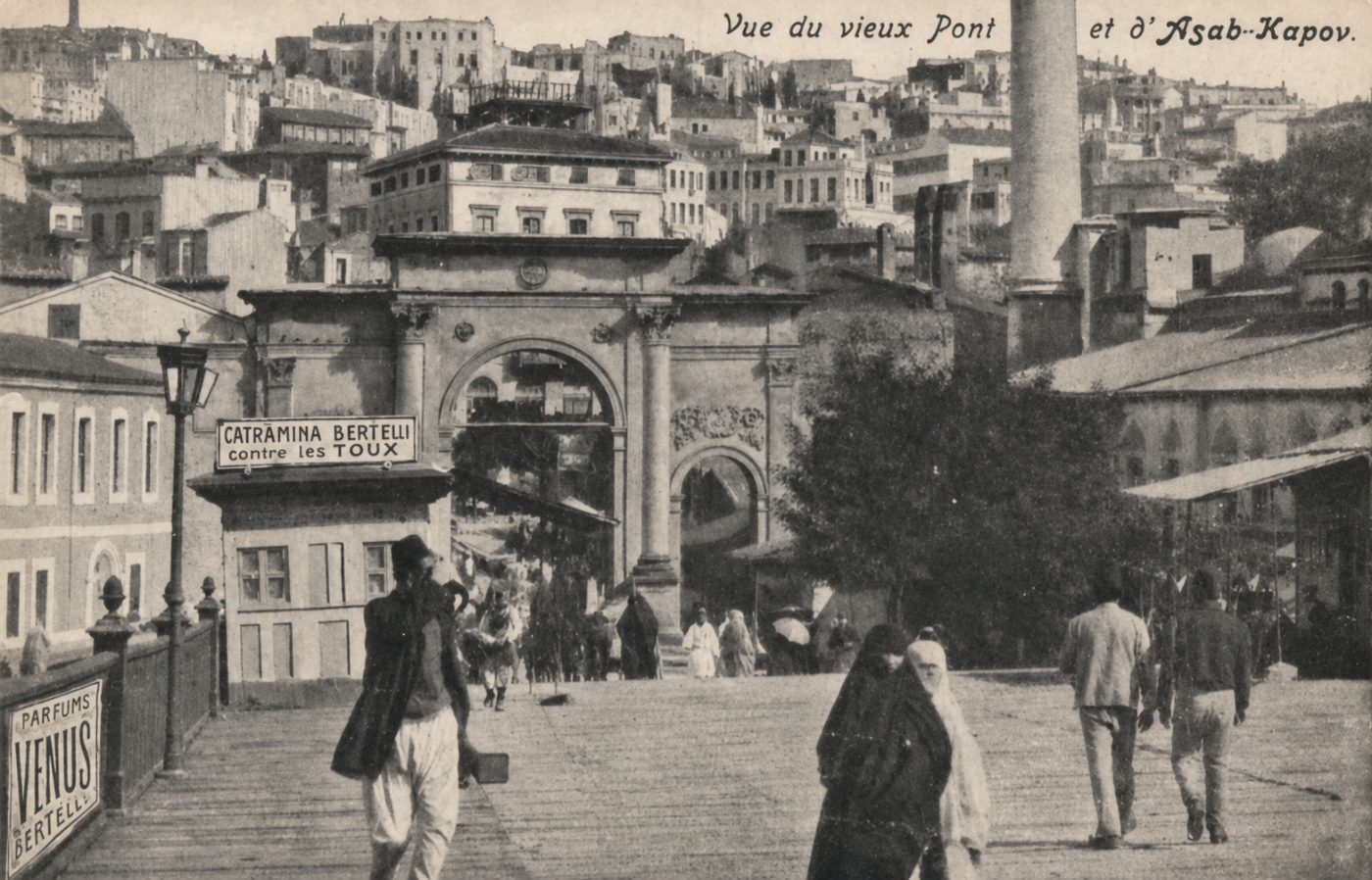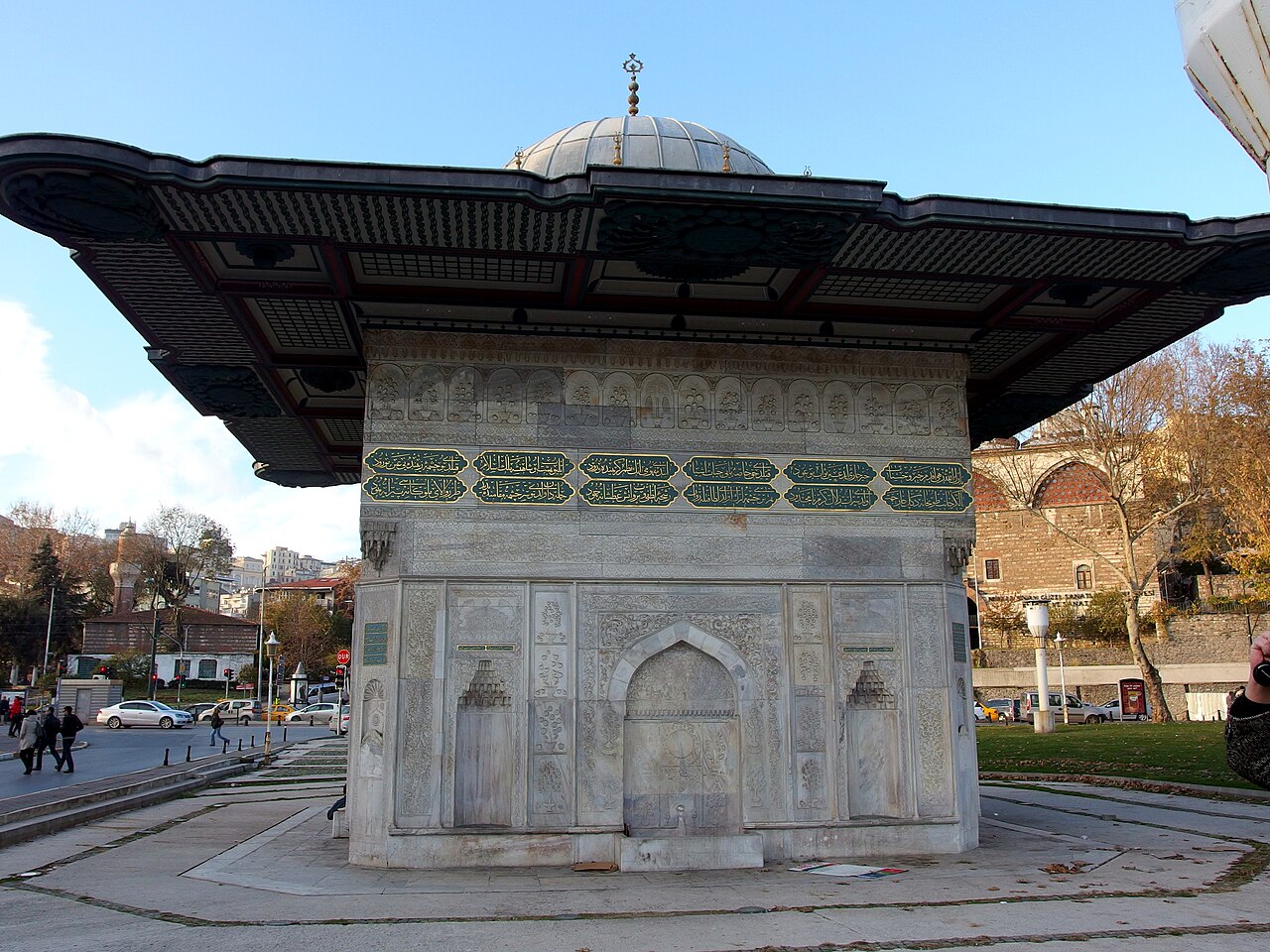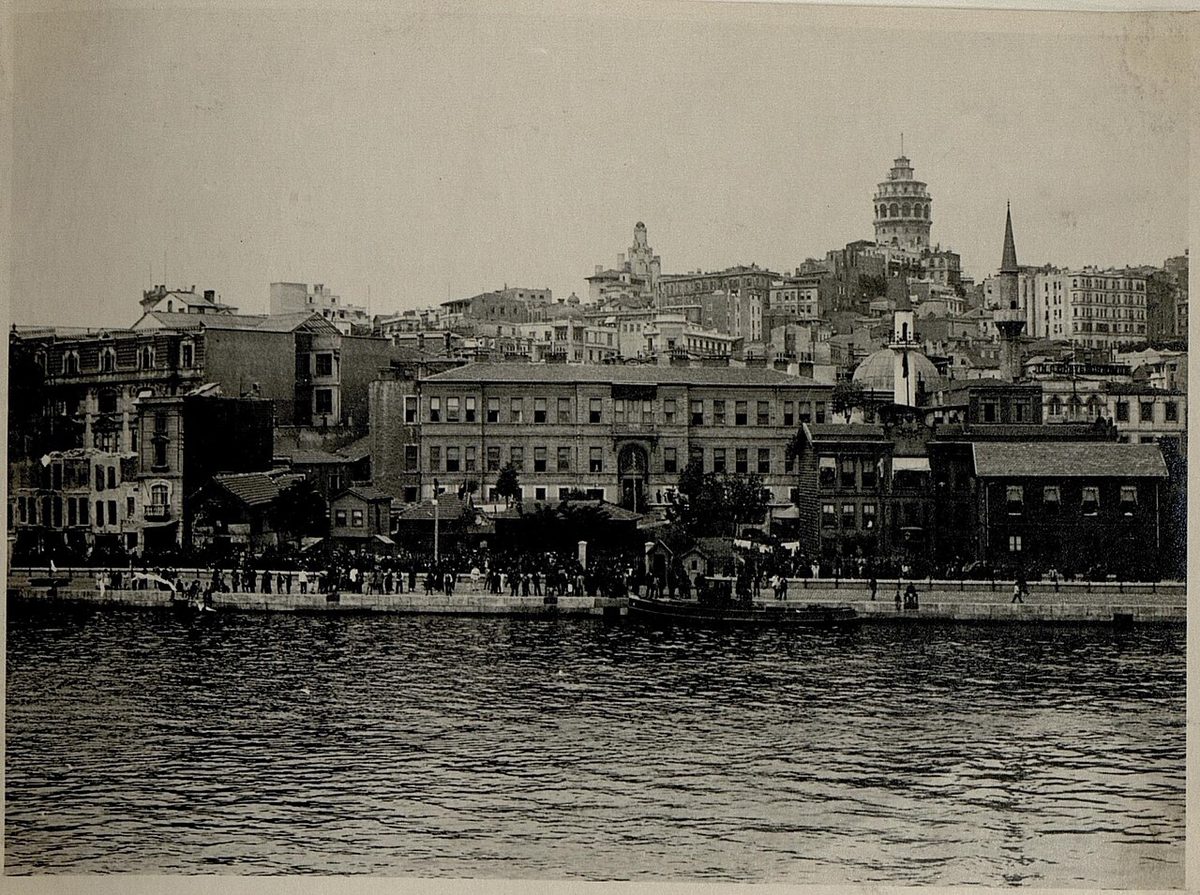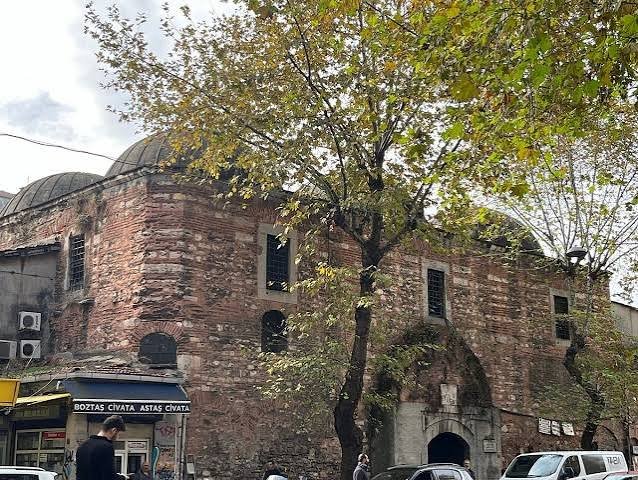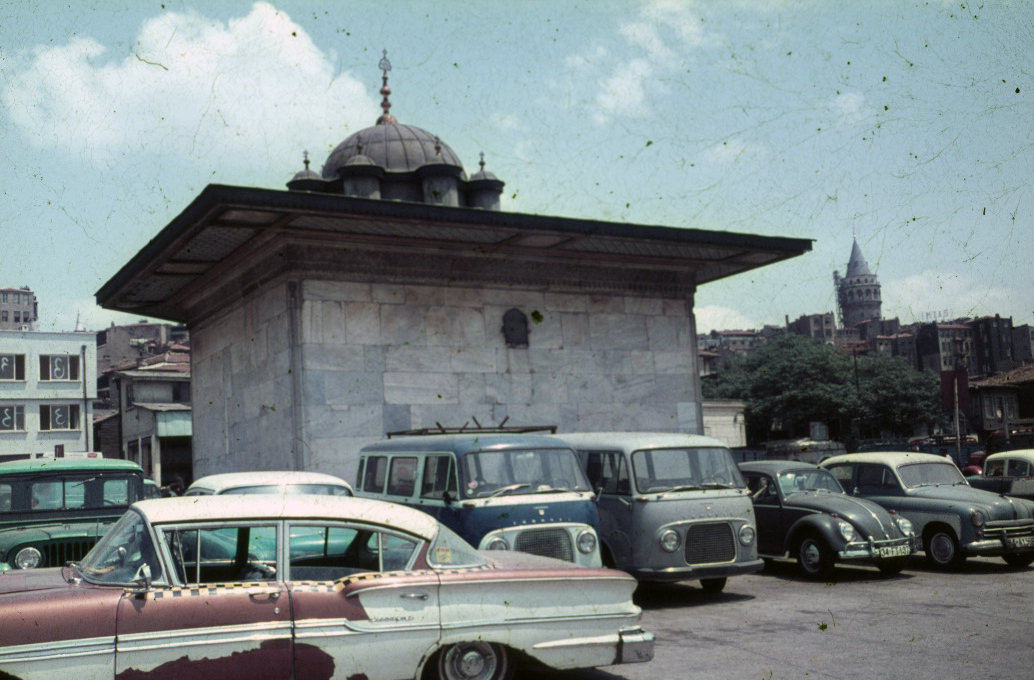
Anyone looking up a worker’s address in the records of Şirket-i Hayriye, the Bosphorus ferry company, sometimes comes across the name of a coffeehouse. Murat Tülek and Nurşen Gürboğa followed the area around Galata’s Çeşme Meydanı (Fountain Square) and Tersane Caddesi, which opens onto it, in records running from the late nineteenth century to the 1940s. Of the 231 workers who gave an address in this area, 202 had named a coffeehouse. [1]
Door numbers took the research a step further. The authors were able to match 183 workers with ten coffeehouses. Men from Görele, Tirebolu and Rize clustered around the same establishments. So a single address line tells both the past of a square and where the workers who came to Istanbul found one another. [1]
But did all the workers actually sleep in the coffeehouse they gave as their address? The records do not answer this case by case. The researchers weigh both possibilities together: that coffeehouses served as addresses for messages, and that men lodged there or on the floors above. The Arabcamii Mahallesi entry of the İstanbul Ansiklopedisi also describes this area through its shops and seafaring trades. Reading the two sources together makes visible not only the square’s fountain but also the people who left their mark in its address books. [1, 2]
Related pages
- Saliha Sultan Fountain
- Perşembe Pazarı Coastline
- Azapkapı – Perşembe Pazarı walking route
- Theme: Ottoman Galata
Source: Galata HUB’s own text, based on: [1] Murat Tülek and Nurşen Gürboğa, “Galata Çeşme Meydanı”, Başka Kayda Rastlanmadı, SALT, 2023, pp. 108–131, esp. 119–122 · [2] İstanbul Ansiklopedisi, “Arabcamii Mahallesi”, vol. 2, pp. 949–951, field notes of 1946
Last updated:
Spotted a mistake or something missing on this page? Suggest a correction