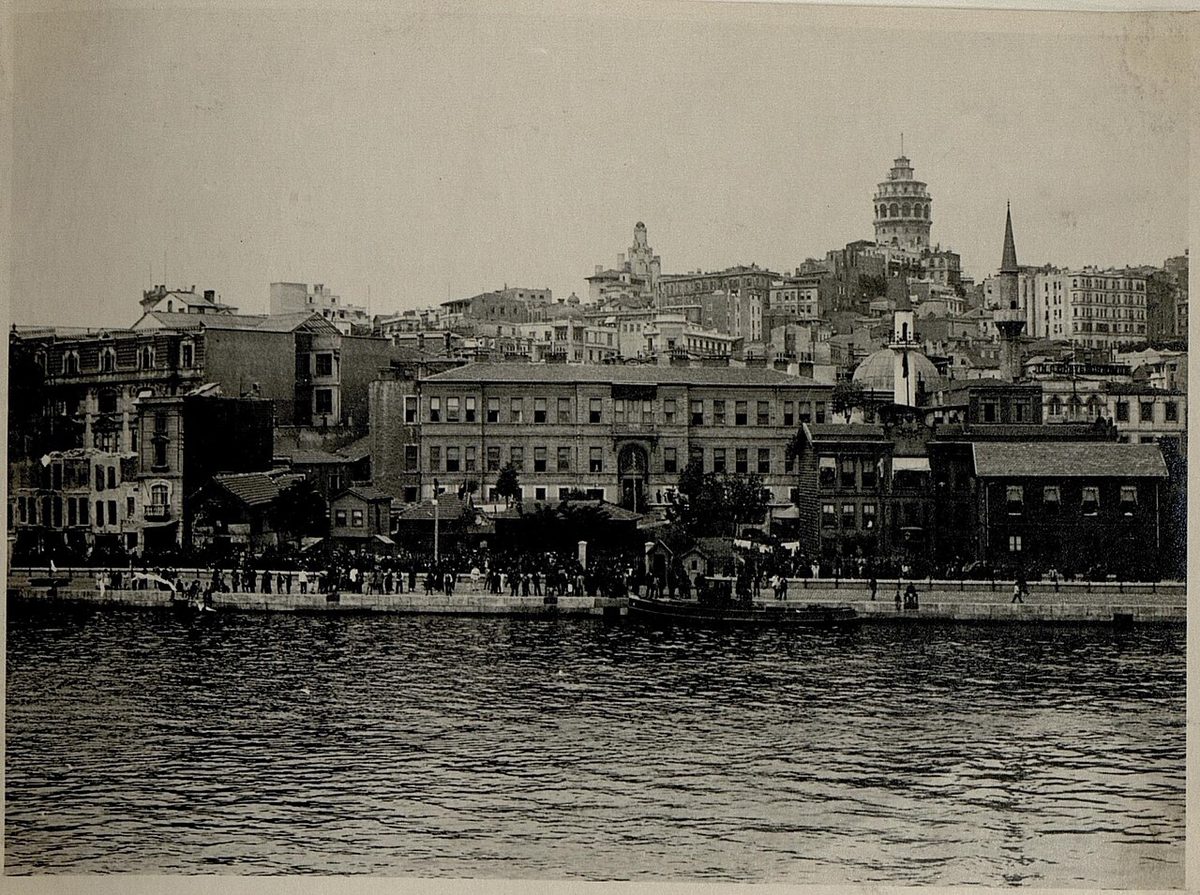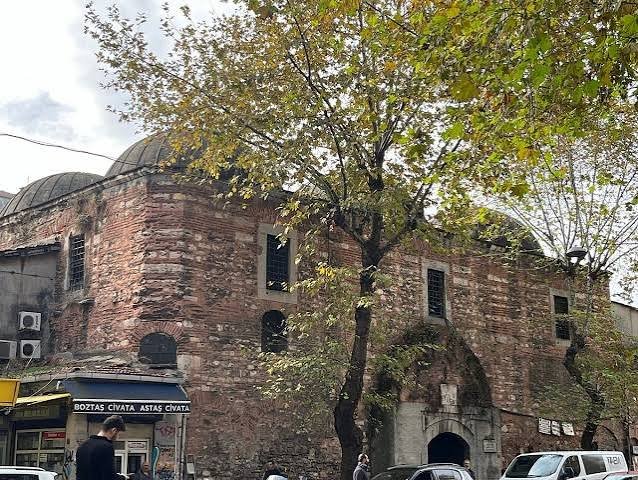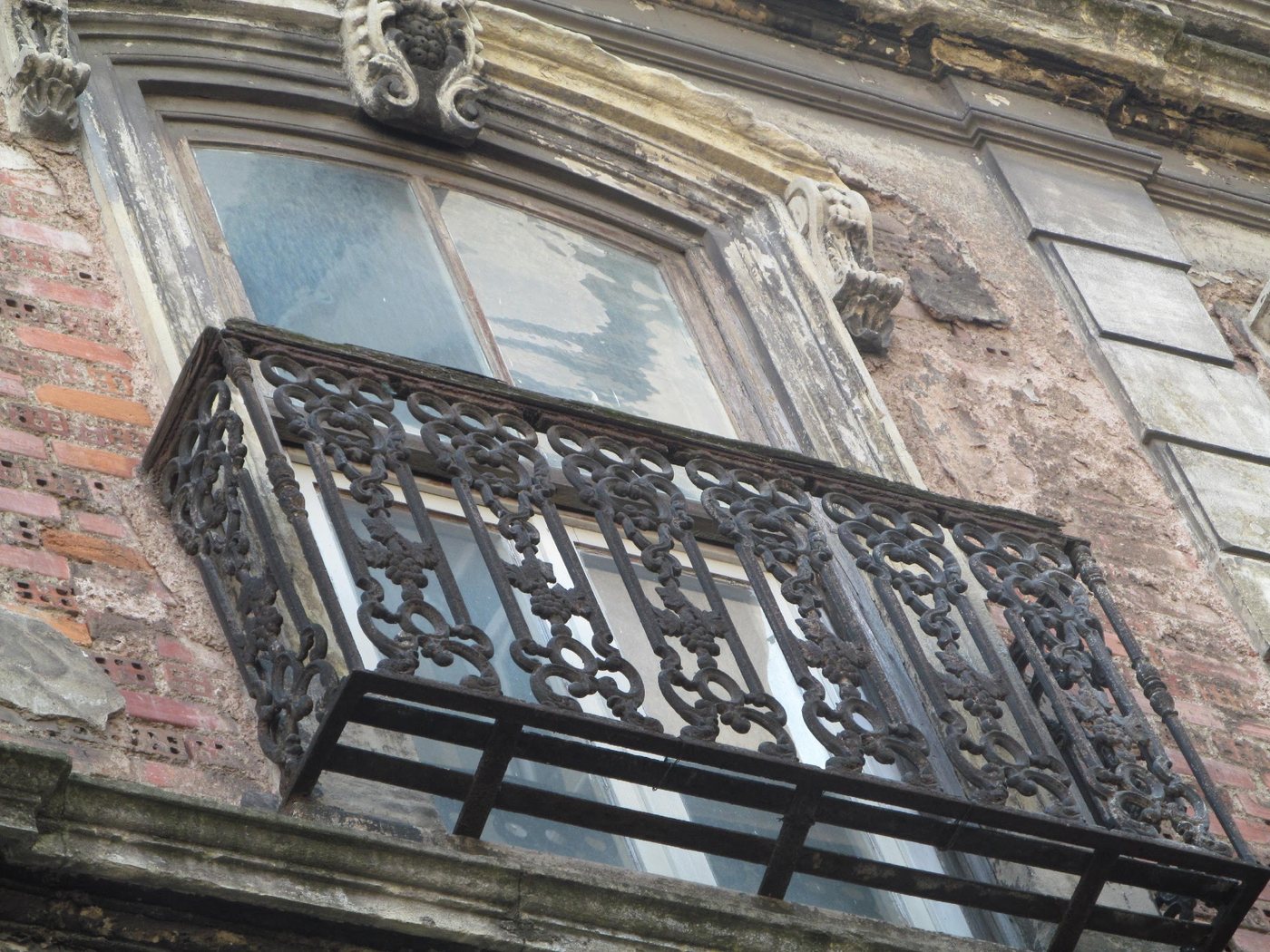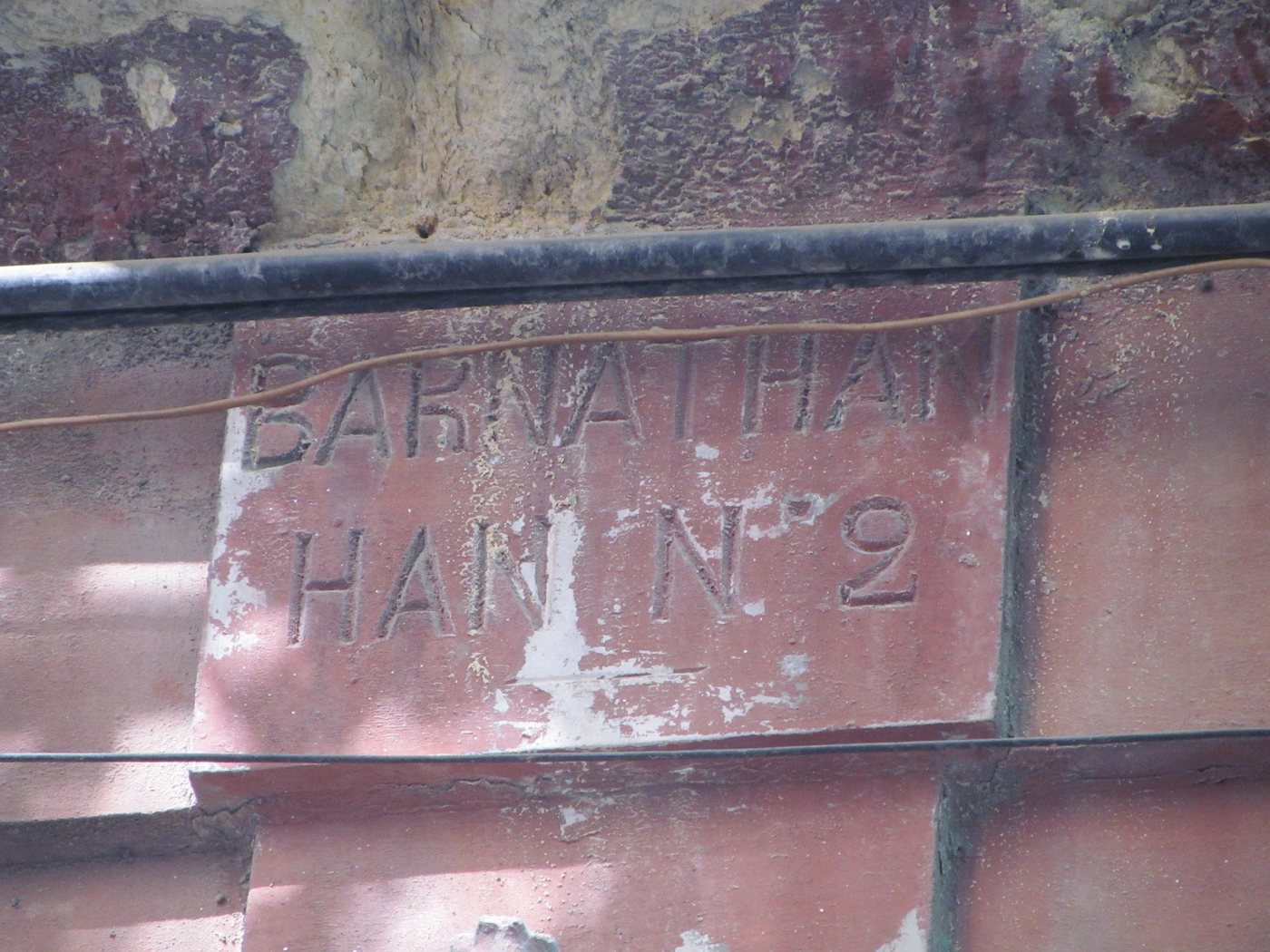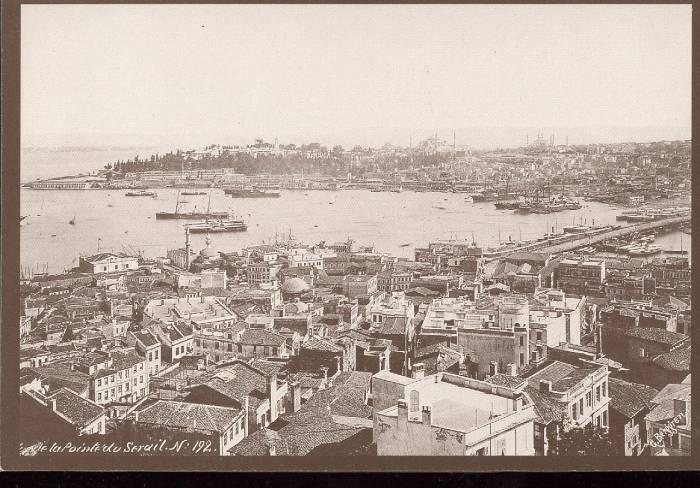
Where Bankalar Street meets Galata Kulesi Sokağı, the name of a han preserves an institution of government from the Middle Ages. Studying the old street pattern of Galata, H. Sercan Sağlam matches part of the Genoese communal palace with the building known today as Bereket Han. Speaking of the palace, however, dating the whole of today's han to the fourteenth century would go beyond what this finding shows. [1]
The palace's purpose can be read from the title of the official it was named after. The officer who governed Galata on behalf of Genoa was called the podestà. Akdoğan Özkan's guide to Galata tells that the podestà was charged with collecting revenues. For a reader who meets it under its Italian name, Palazzo Comunale, the building can be pictured as the place where the affairs of the merchants' colony were run. [2]
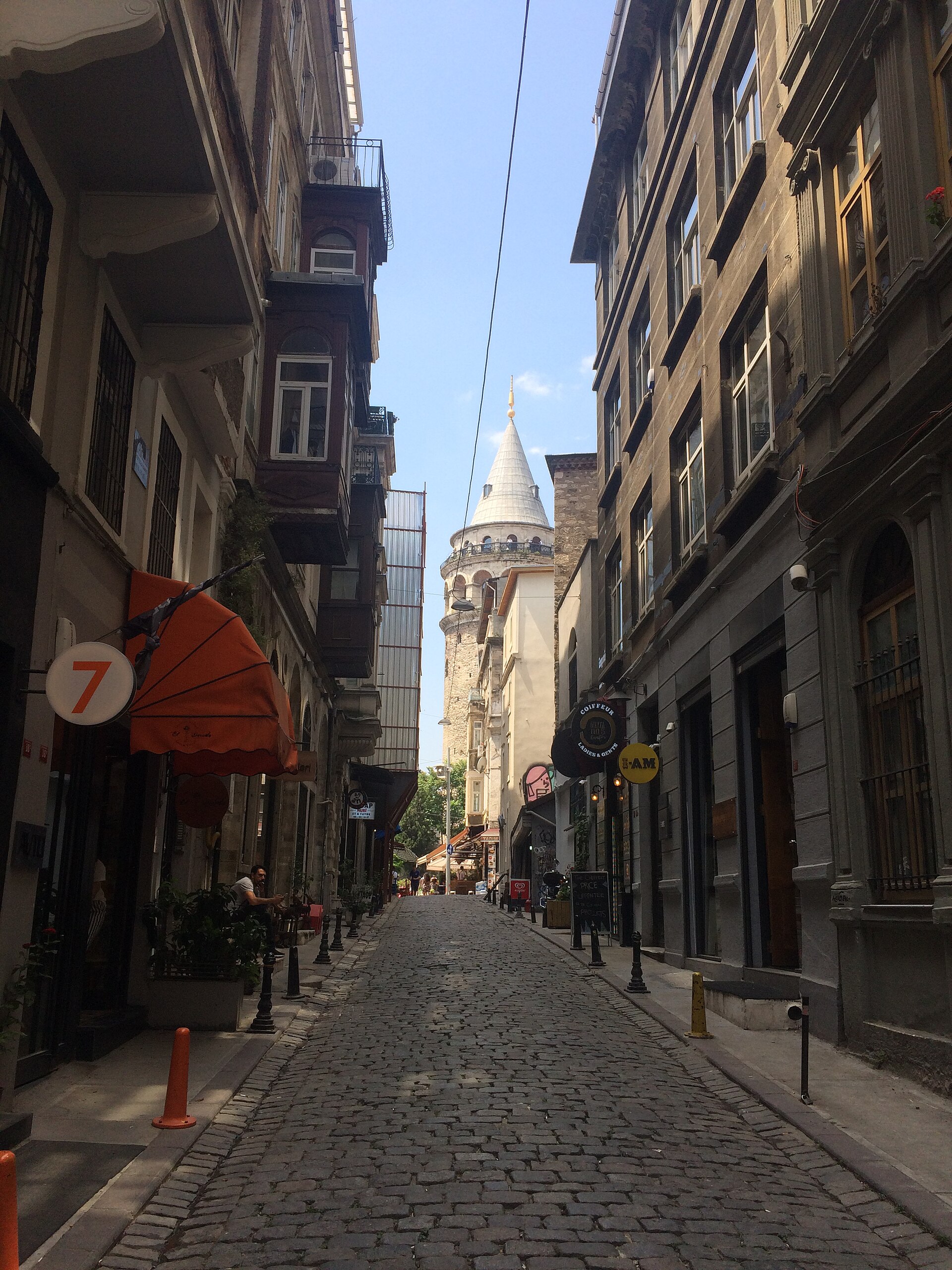
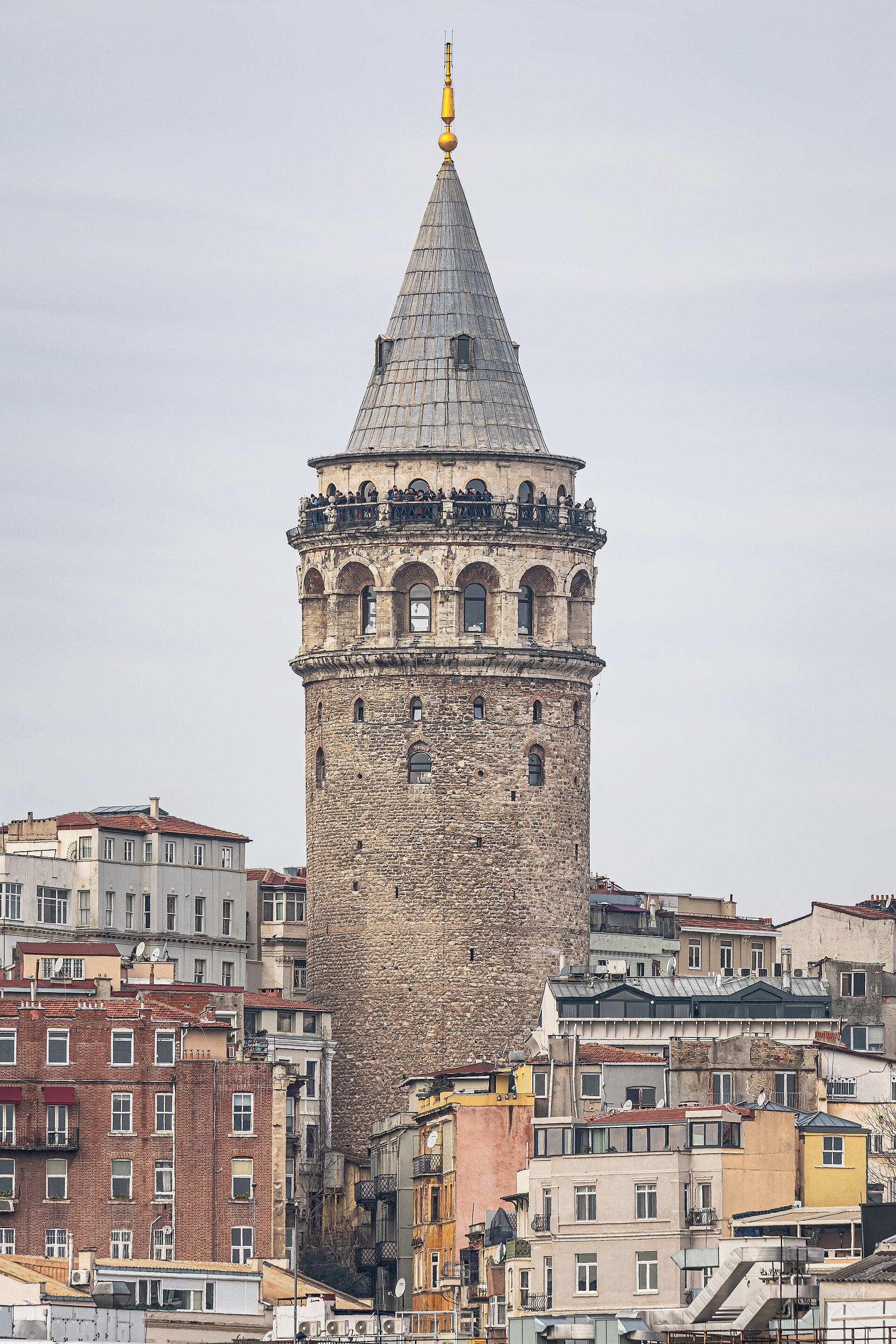
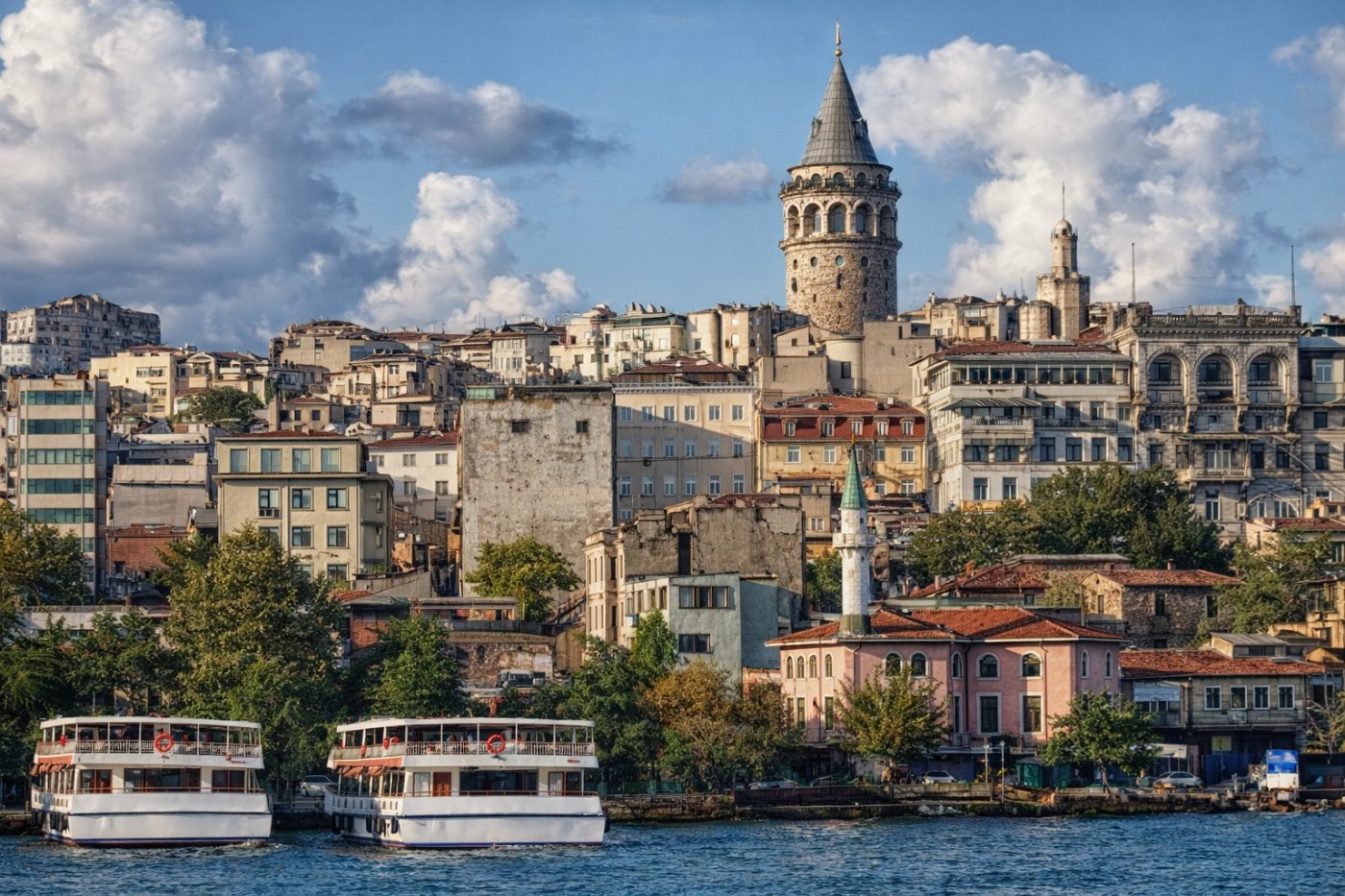
Setting two dates side by side is enough to place the building in history. Gökberk Tezer dates the construction of the communal palace to 1316, and the Galata Tower above it to 1348. Someone climbing from Bankalar Street towards the tower thus passes the trace of a seat of government that stood at the foot of the tower before the tower itself was built. [3]
Related pages
Source: Galata HUB’s own text, based on: [1] H. Sercan Sağlam, İTÜ A|Z, 17/3, 2020, pp. 13–30, esp. p. 18 · [2] Akdoğan Özkan, A Traveler’s Guide to Galata, 2016, pp. 117–118 · [3] Gökberk Tezer, Saint Pierre Han in Galata District, METU, 2025, pp. 15–17
Last updated:
Spotted a mistake or something missing on this page? Suggest a correction