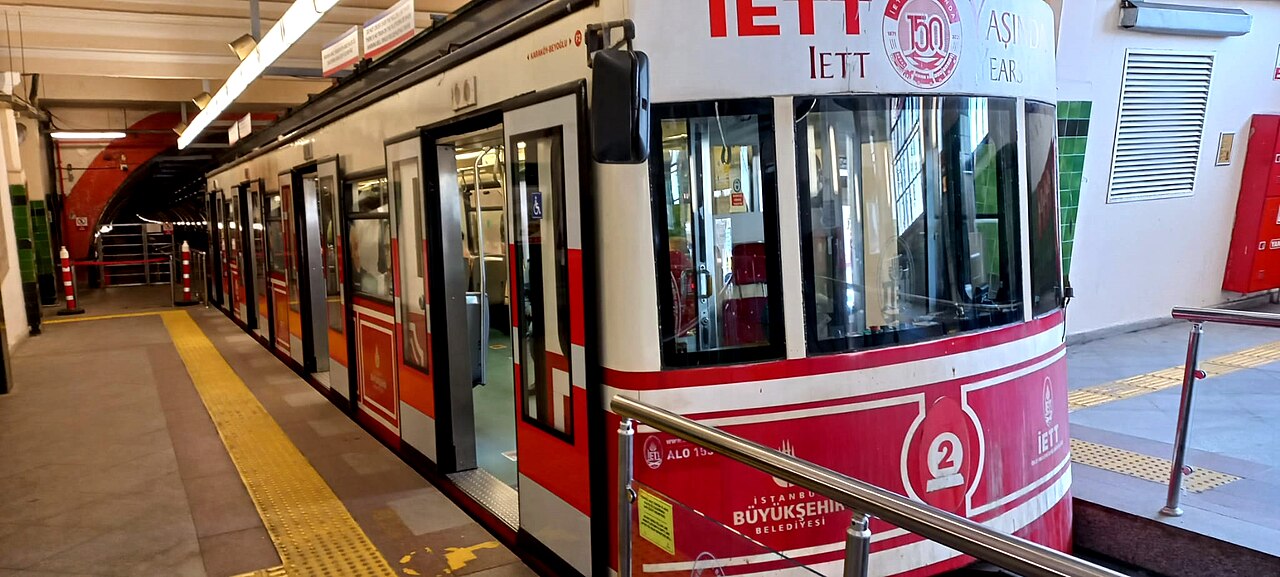
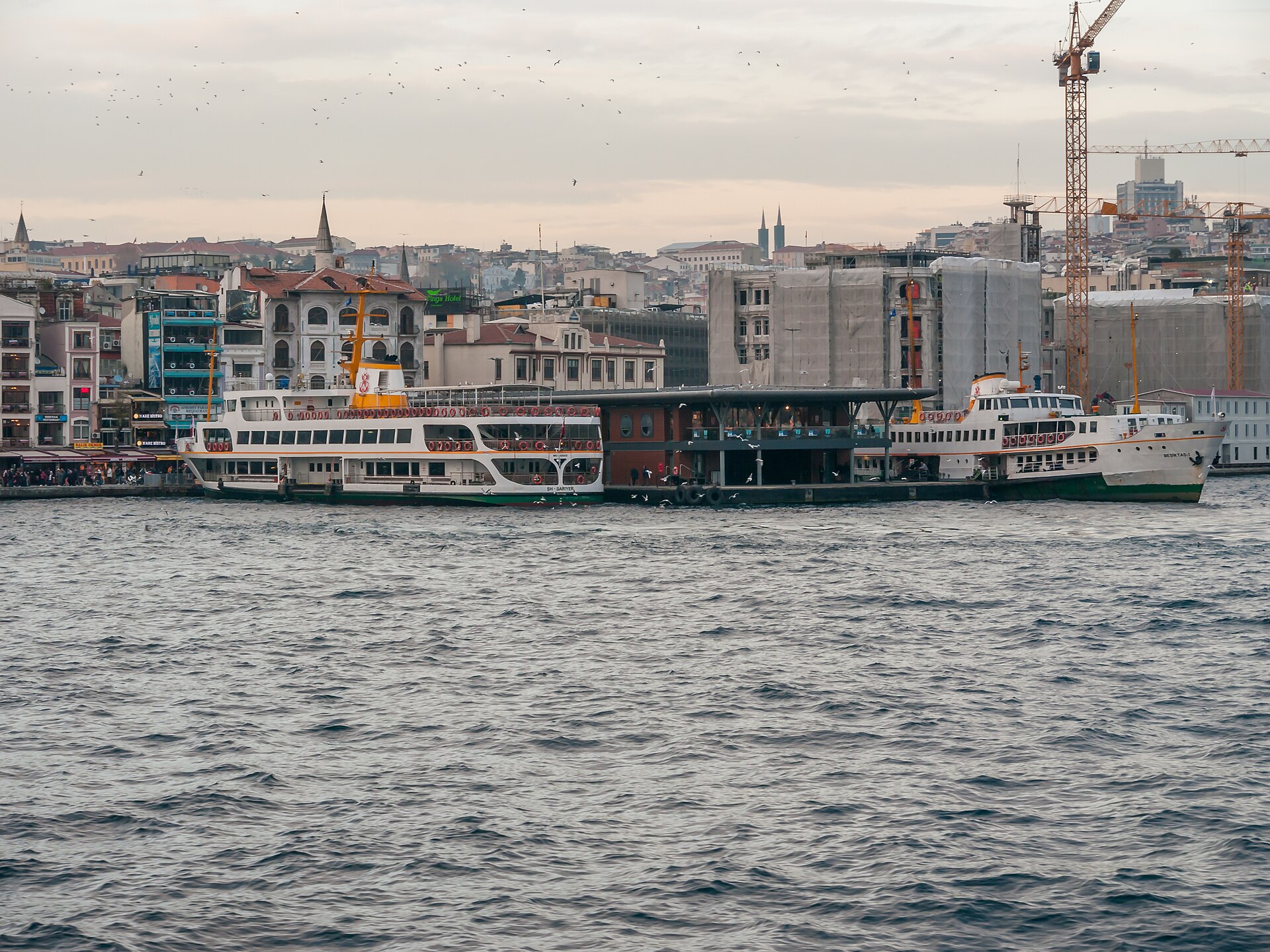
In winter evenings fall early, and Galata's indoor places come into their own. SALT Galata on Bankalar Caddesi is free. The Pera Museum stays open until 22:00 on Fridays and is free after 18:00. Istanbul Modern is open until 20:00 on Fridays, and the Istanbul Museum of Painting and Sculpture until 20:00 on Tuesdays. Mimar Sinan's Kılıç Ali Pasha Bath is open every day until 23:00. The Galata Mevlevi Lodge, the Museum of Innocence and the Istanbul Cinema Museum are a short walk away. Most museums close on Mondays; the Yapı Kredi Museum and the Mehmet Akif Ersoy Memorial House are open then too. On rainy days you can take the Tünel up the hill.
Hours may change; check the place's own page before you go.
Places
Museums & ArtRead more →
SALT Galata (The Ottoman Bank Museum and the Central Bank Building)
Financed by British capital, the Ottoman Bank was founded in 1863, under the name “Bank-ı Osmanî-î Şahane.”
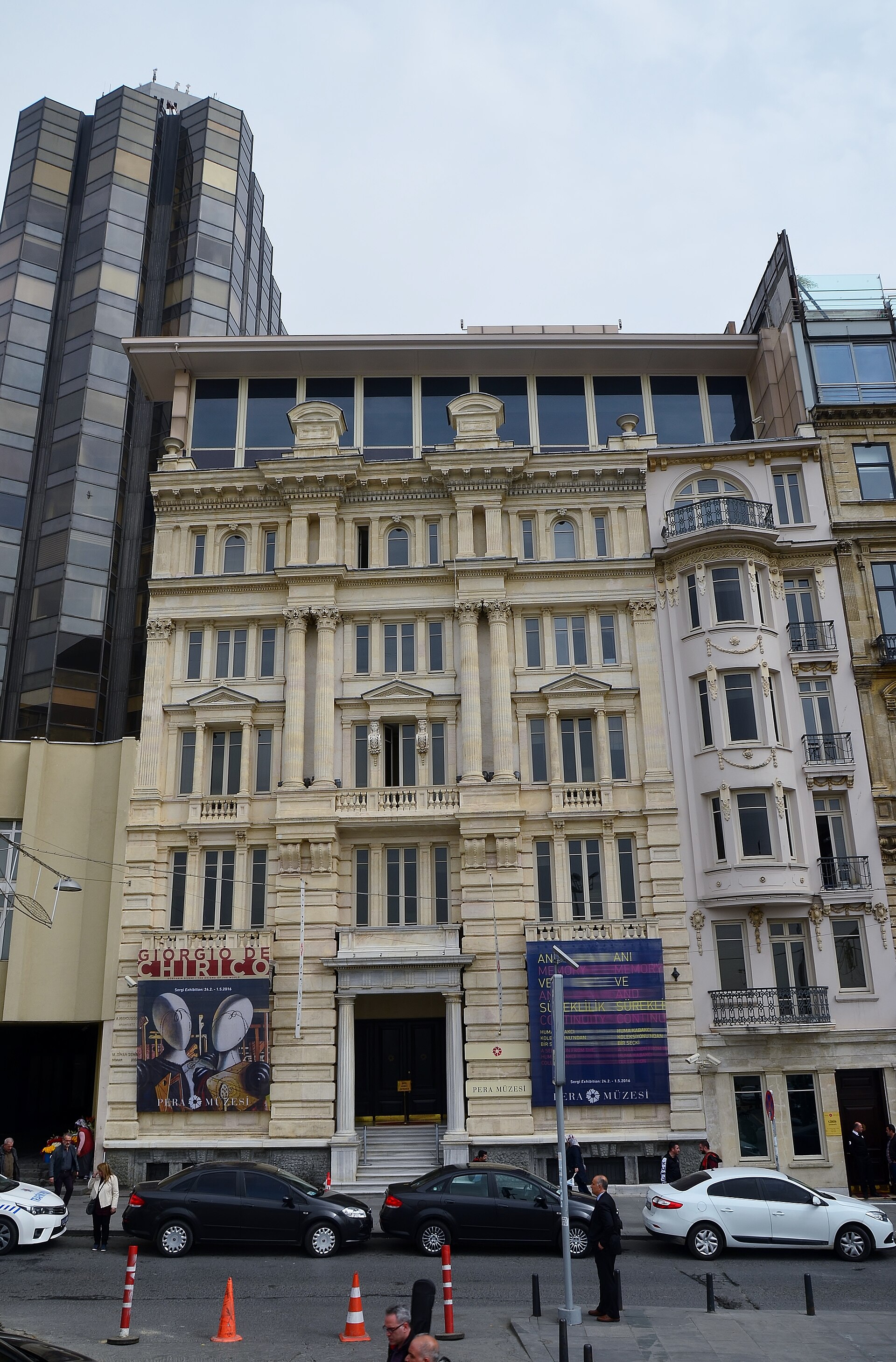
Opened in 2005 by the Suna and İnan Kıraç Foundation in the building of the former Bristol Hotel, completed in 1893. Alongside its collections of Orientalist paintings, Anatolian weights and measures, and Kütahya tiles and ceramics, it hosts exhibitions of internationally renowned artists.
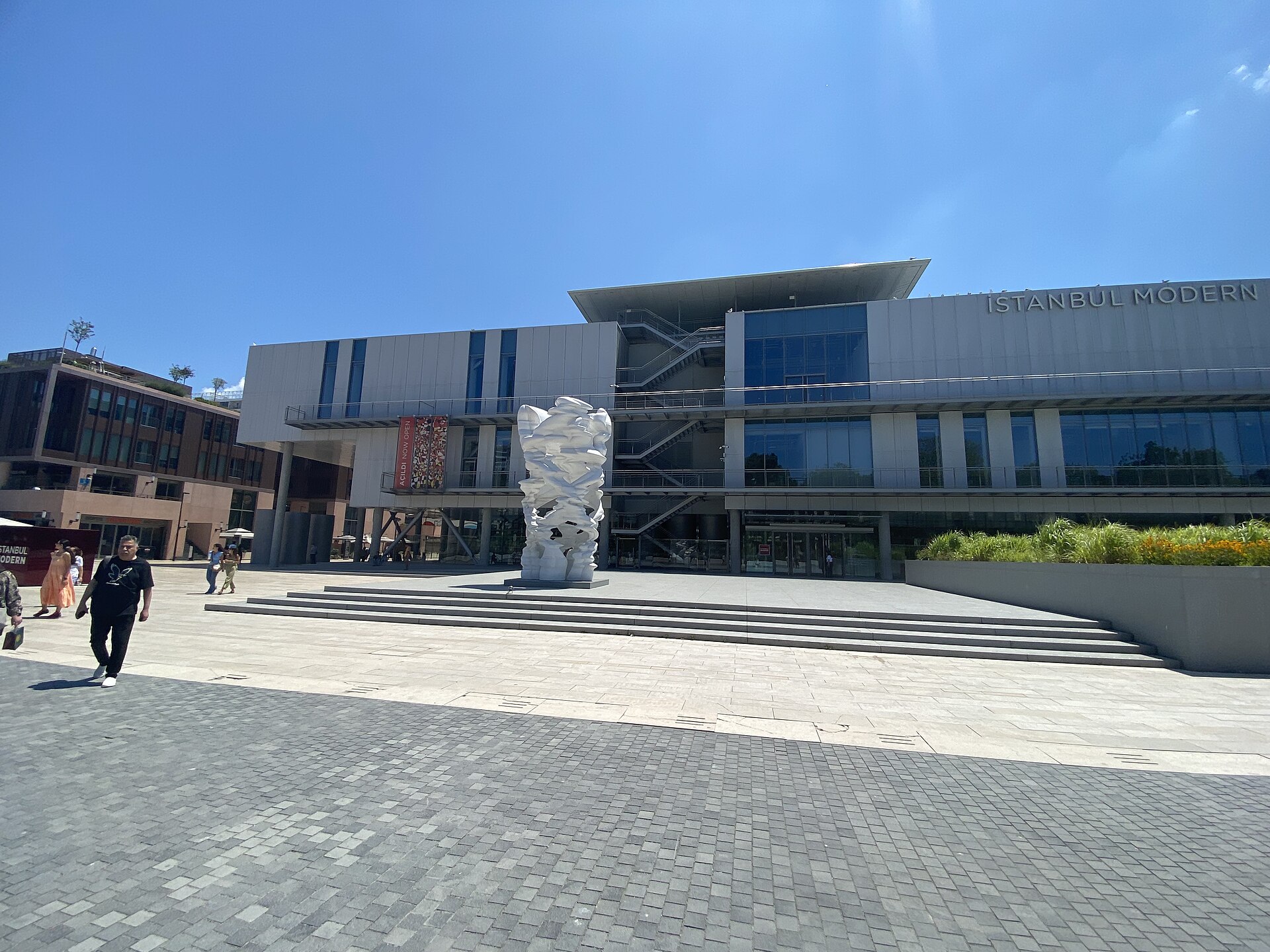
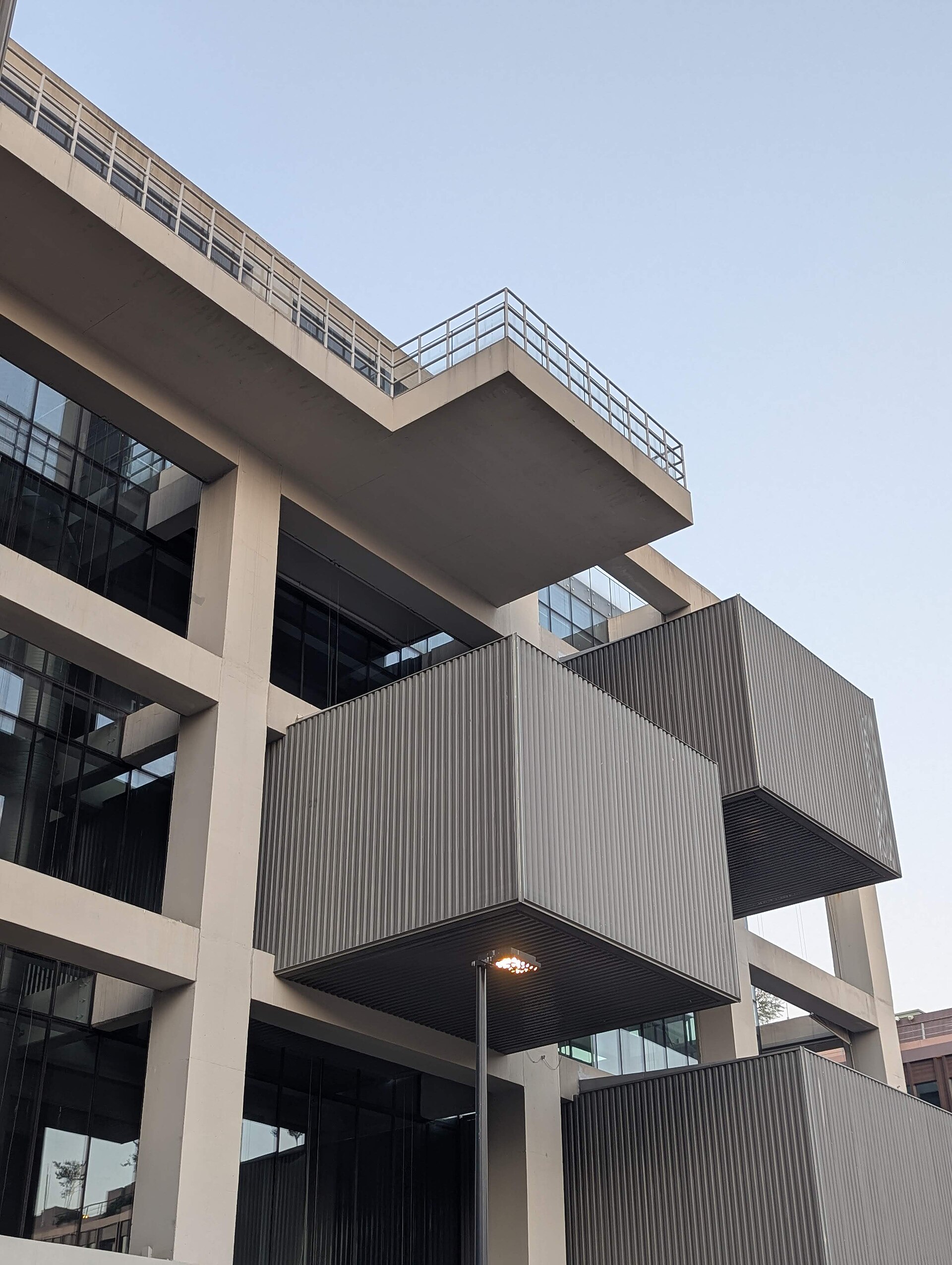
Turkey’s pioneering museum of modern and contemporary art, which opened at Galataport in 2023 in a new building designed by Renzo Piano. The five-storey building, with its spacious galleries and its terrace and reflecting pool overlooking the Bosphorus, is an architectural experience in its own right.
Galataport, Kılıçali Paşa Mah., Meclis-i Mebusan Cad., Karaköy
Turkey’s first museum of painting and sculpture. Opened in 1937 in Dolmabahçe Palace, the museum of Mimar Sinan Fine Arts University is today in Tophane, in a former warehouse a few steps from Istanbul Modern.
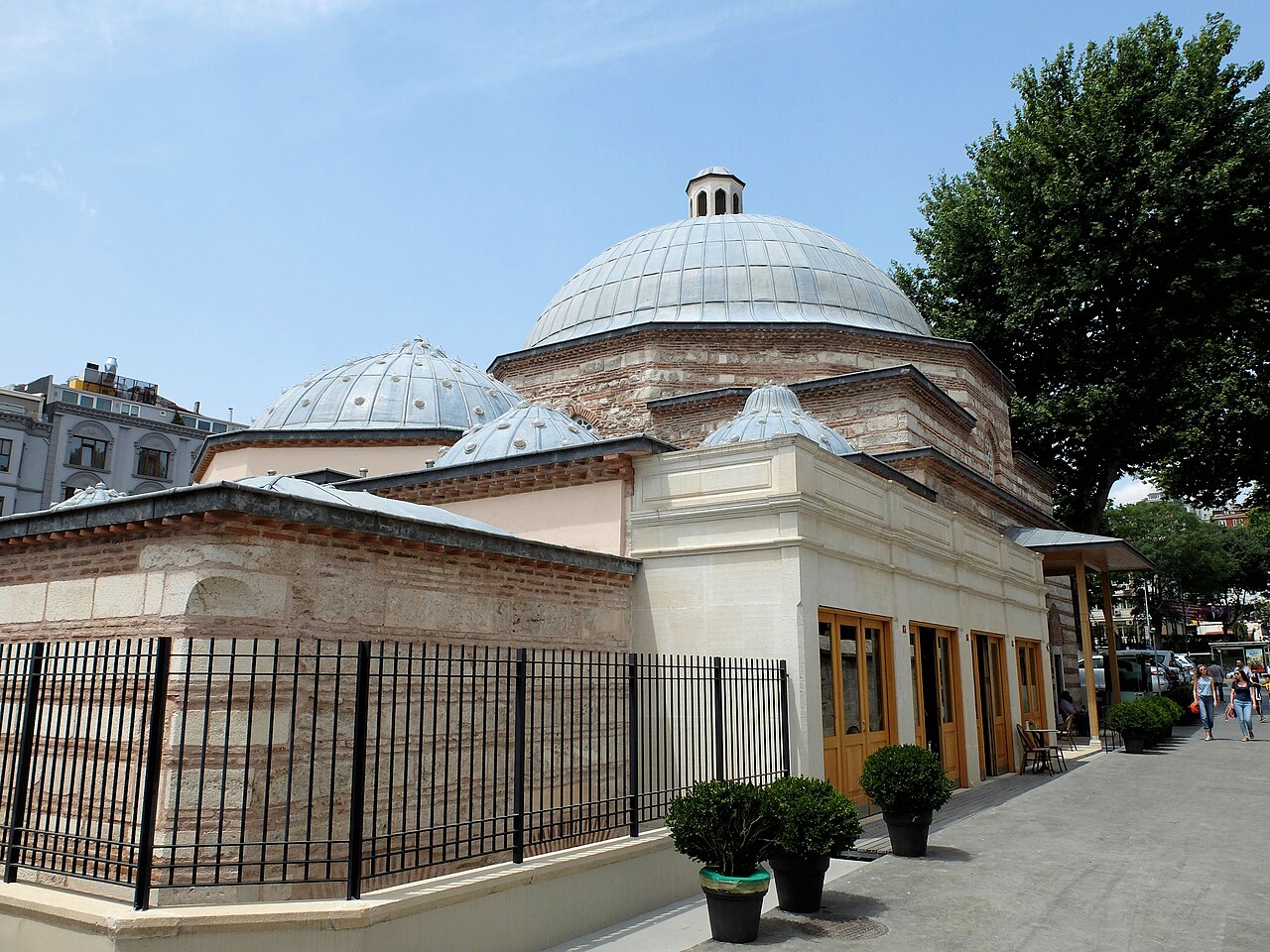
Once located outside the Galata walls, Kılıç Ali Pasha Mosque bears the name of an Ottoman seaman of Italian origin, who has been the Grand Admiral of the Ottoman fleet between 1571 and 1578.
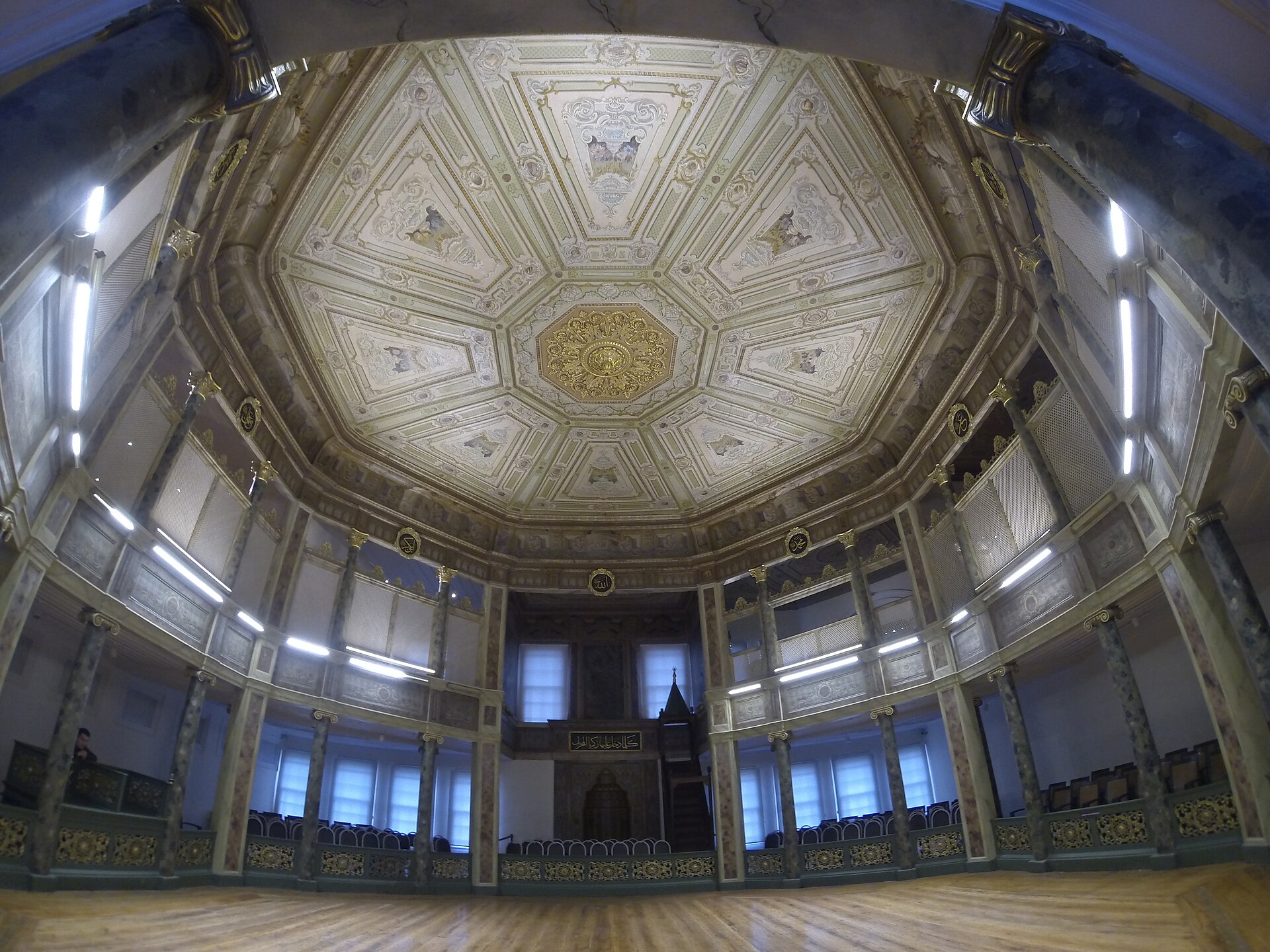
Galata Mevlevîhânesi, or Galata Dervish Lodge, is probably the oldest of the still-standing dervish lodges and cloisters in Istanbul – once, there were more than 300.
Galip Dede Cad. No:15, Tünel, Beyoğlu
Tuesday – Sunday 09:00 – 18:30 (ticket office closes 17:30) · closed Mondays · some sections closed for restoration · call the museum for the sema programme €7 for foreign visitors · 200 TL for Turkish citizens · free for Turkish citizens under 18 and over 65
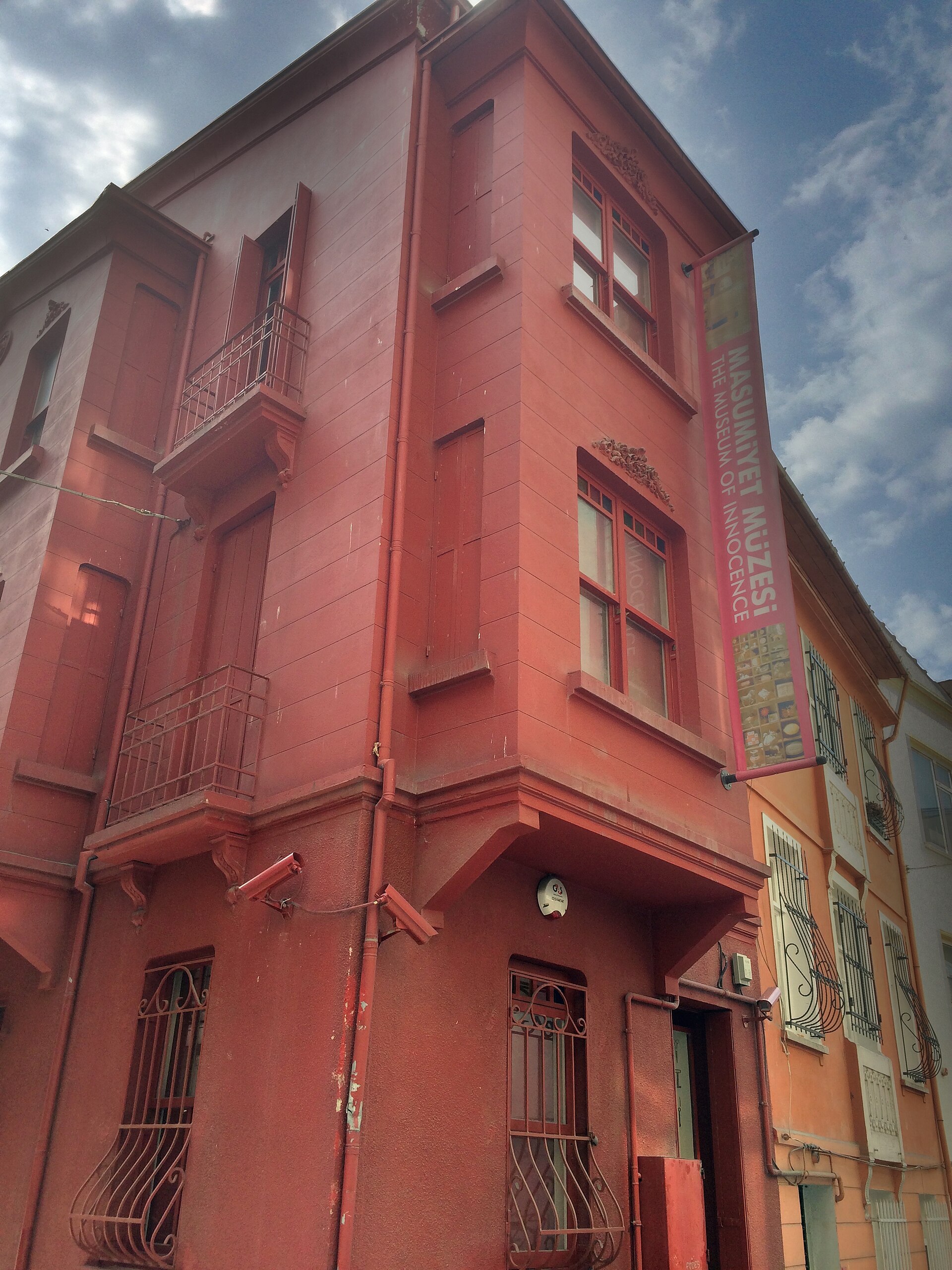
A novel written by Orhan Pamuk and a museum he founded. In the building in Çukurcuma, objects belonging to the novel’s characters are displayed in boxes and vitrines; you do not need to have read the novel to visit.
Çukurcuma Cad., Dalgıç Çıkmazı No:2, Firuzağa
Tuesday – Sunday 10:00 – 18:00 (closed Mondays) Admission fee · the ticket printed in the novel admits one person free
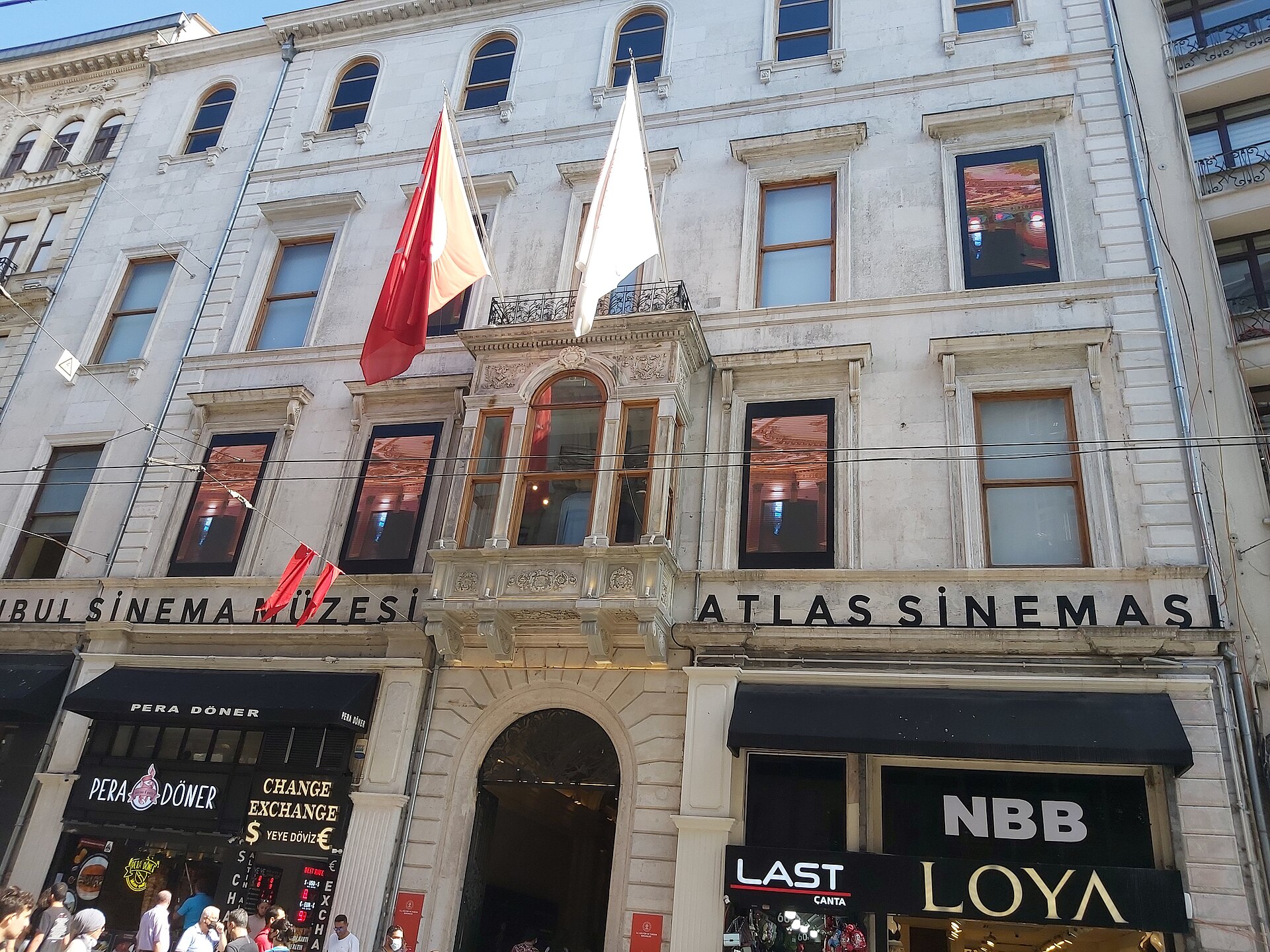
A museum in the historic building that houses the Atlas Cinema, showing posters from the golden age of Turkish cinema (Yeşilçam), personal belongings of directors and wax figures of actors. It is in the Köçeyan Mansion of 1870, inside the Atlas Passage.
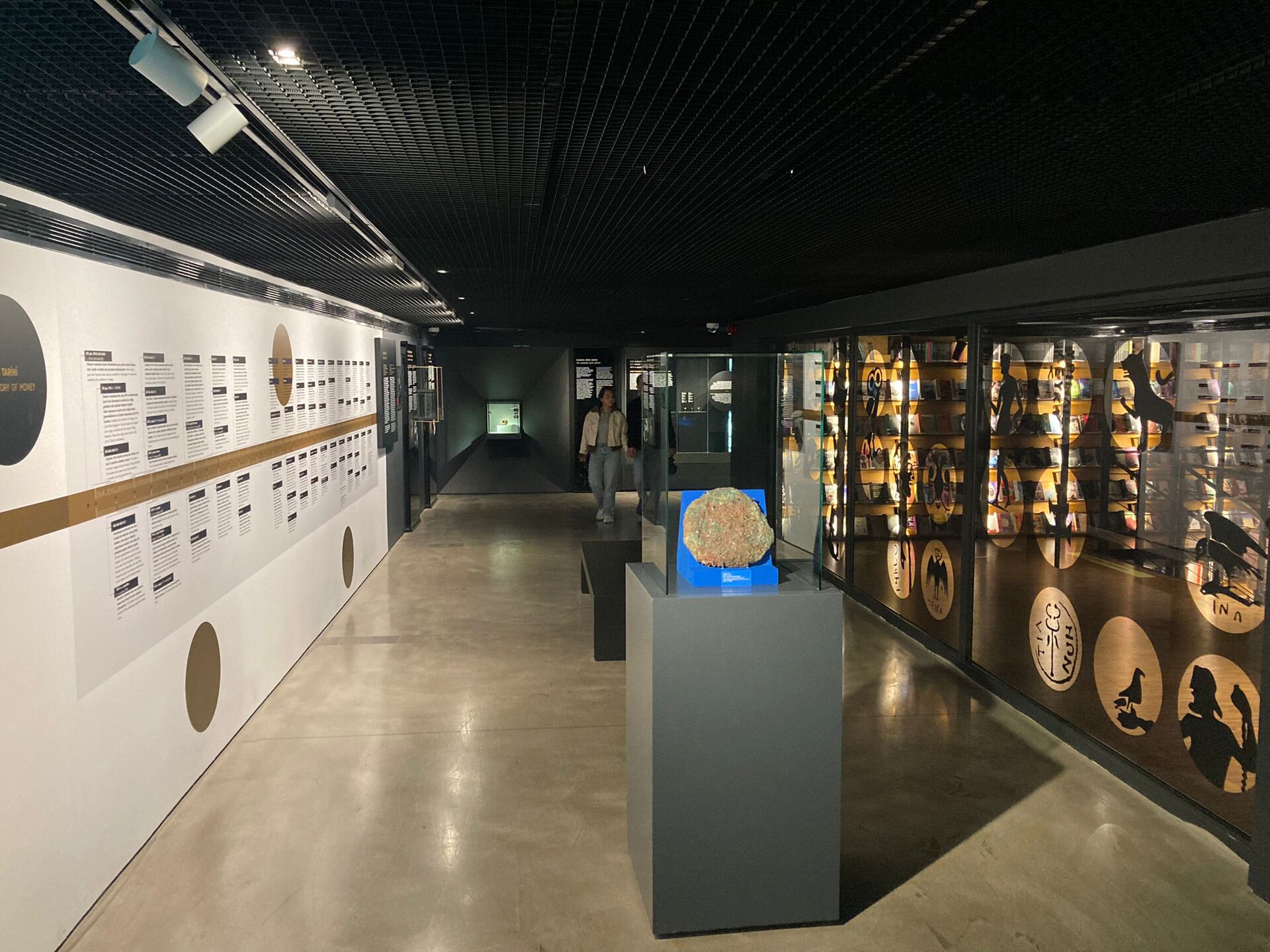
A free museum, open every day of the week in the Yapı Kredi Culture and Arts building on Galatasaray Square, with a coin collection tracing 2,600 years of the history of money and ethnographic works from the Ottoman period.
Yapı Kredi Culture and Arts, İstiklal Cad. No:161, Galatasaray
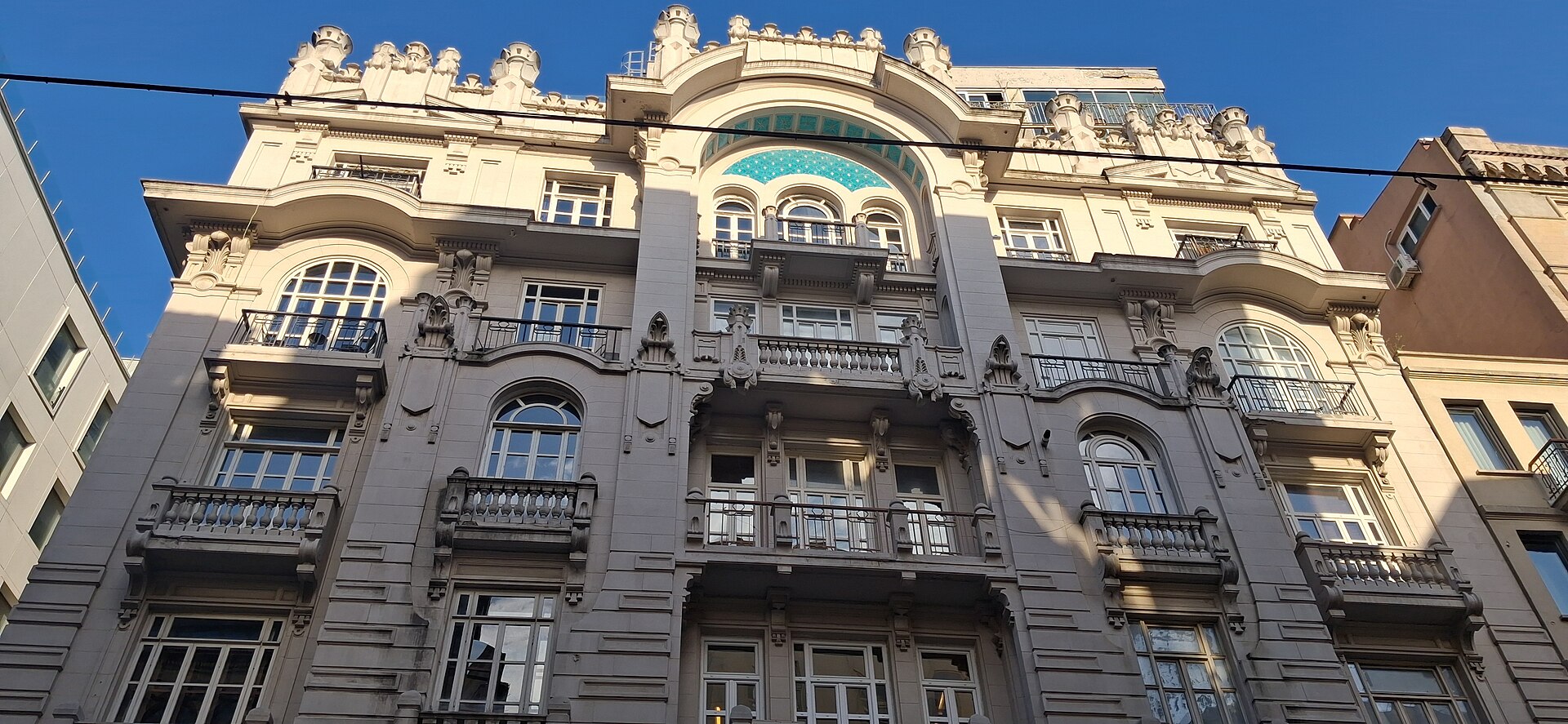
The flat in the Mısır Apartmanı where Mehmet Akif Ersoy, the poet of the Turkish national anthem, spent the last months of his life and died in 1936. It opened as a memorial house in 2021 and can be visited free of charge every day.
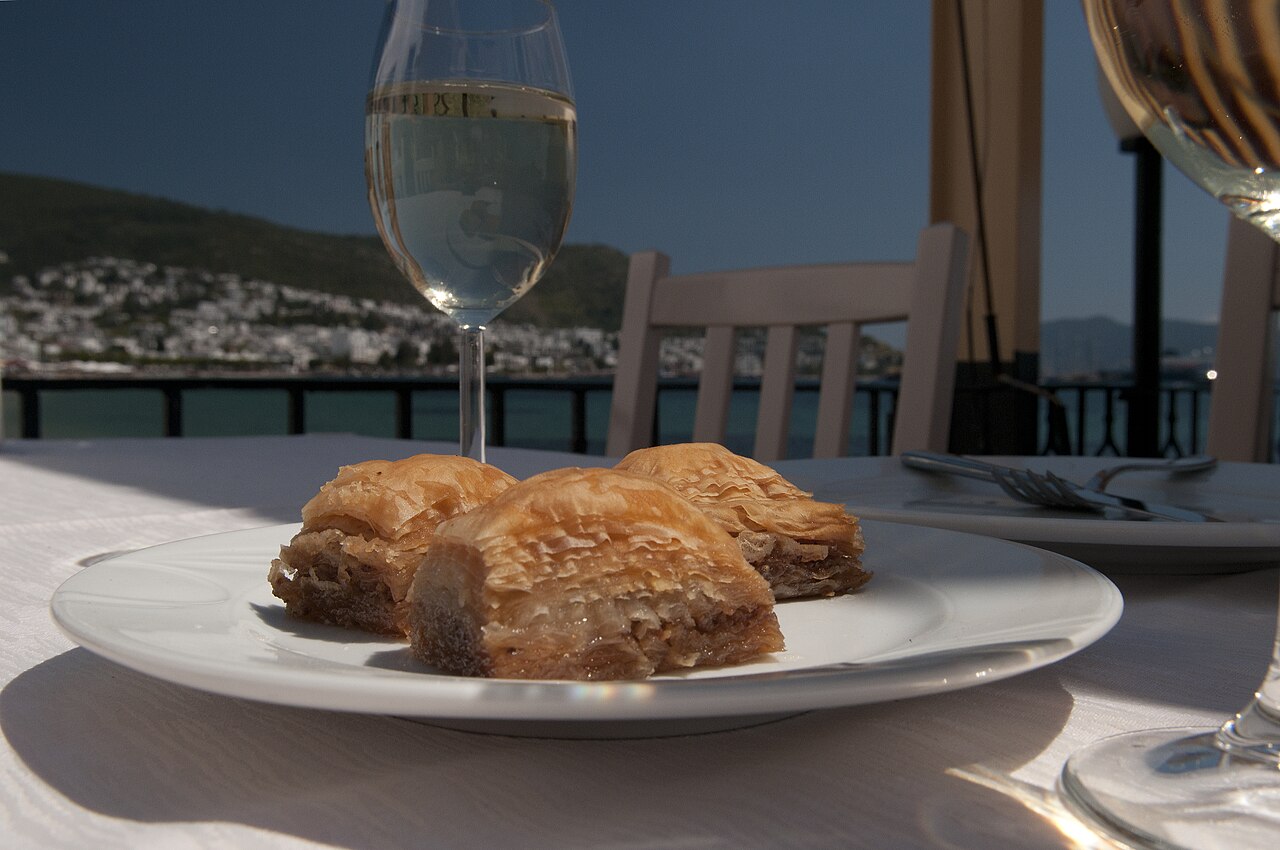
The baklava shop opened in Karaköy in 1949 by the Güllü family from Gaziantep: a self-service counter from pistachio baklava to kadayıf, with börek and poğaça in the morning.
Kemankeş Karamustafa Paşa Mah., Kemankeş Cad. No:67, Karaköy
A symbol of the district with its turquoise-tiled interior. By day a modern esnaf lokantası (tradesmen’s restaurant) with a menu that changes daily; in the evening an elegant meyhane where dinner stretches out over rakı and meze. Recommended in the Michelin Guide.