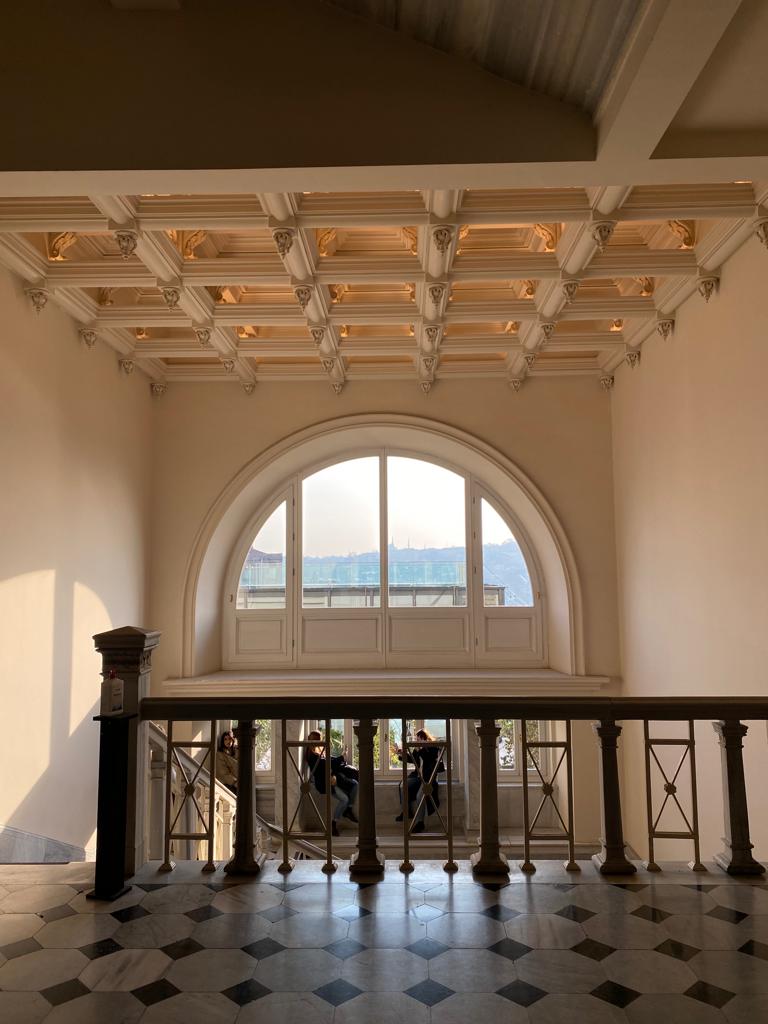
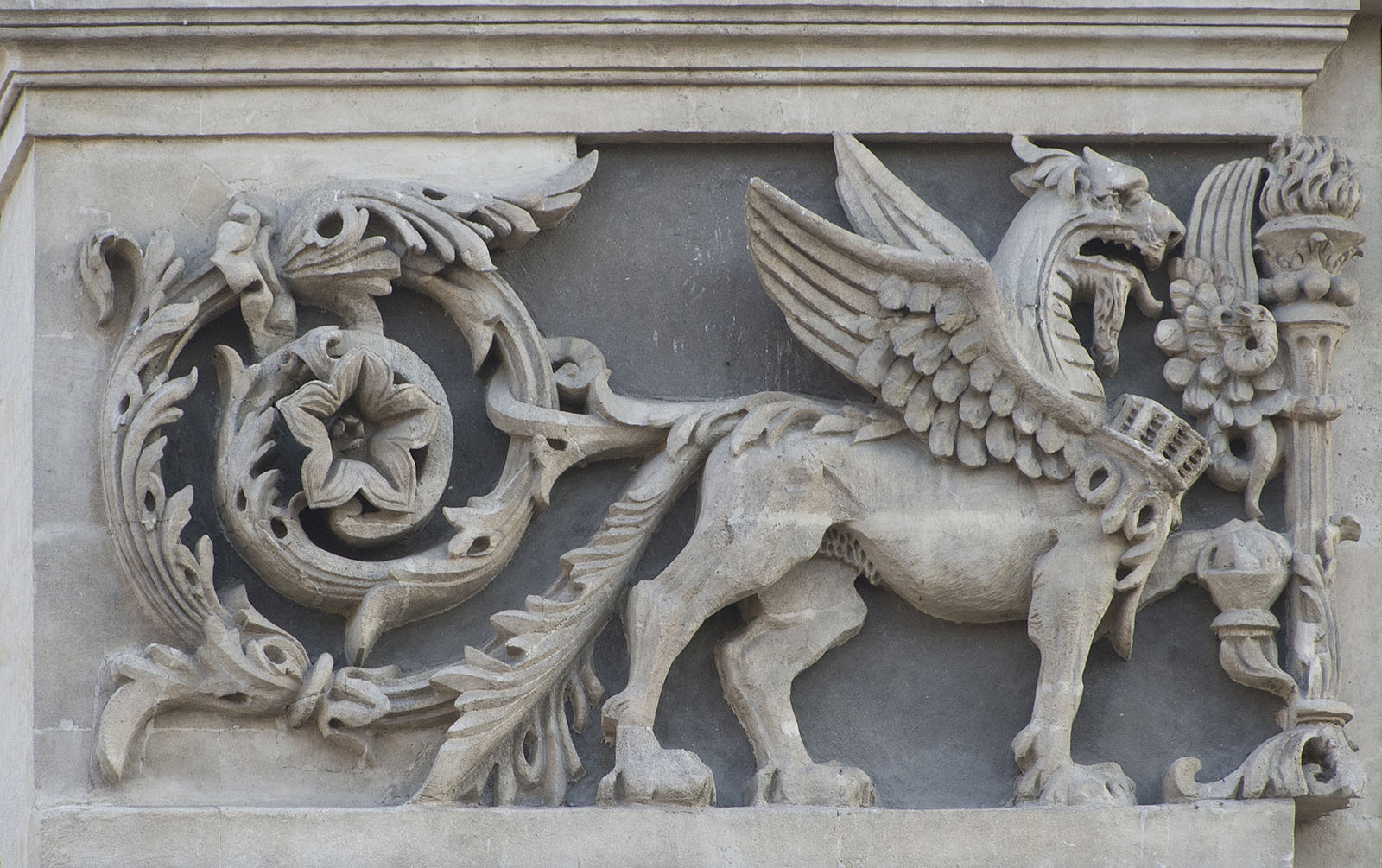
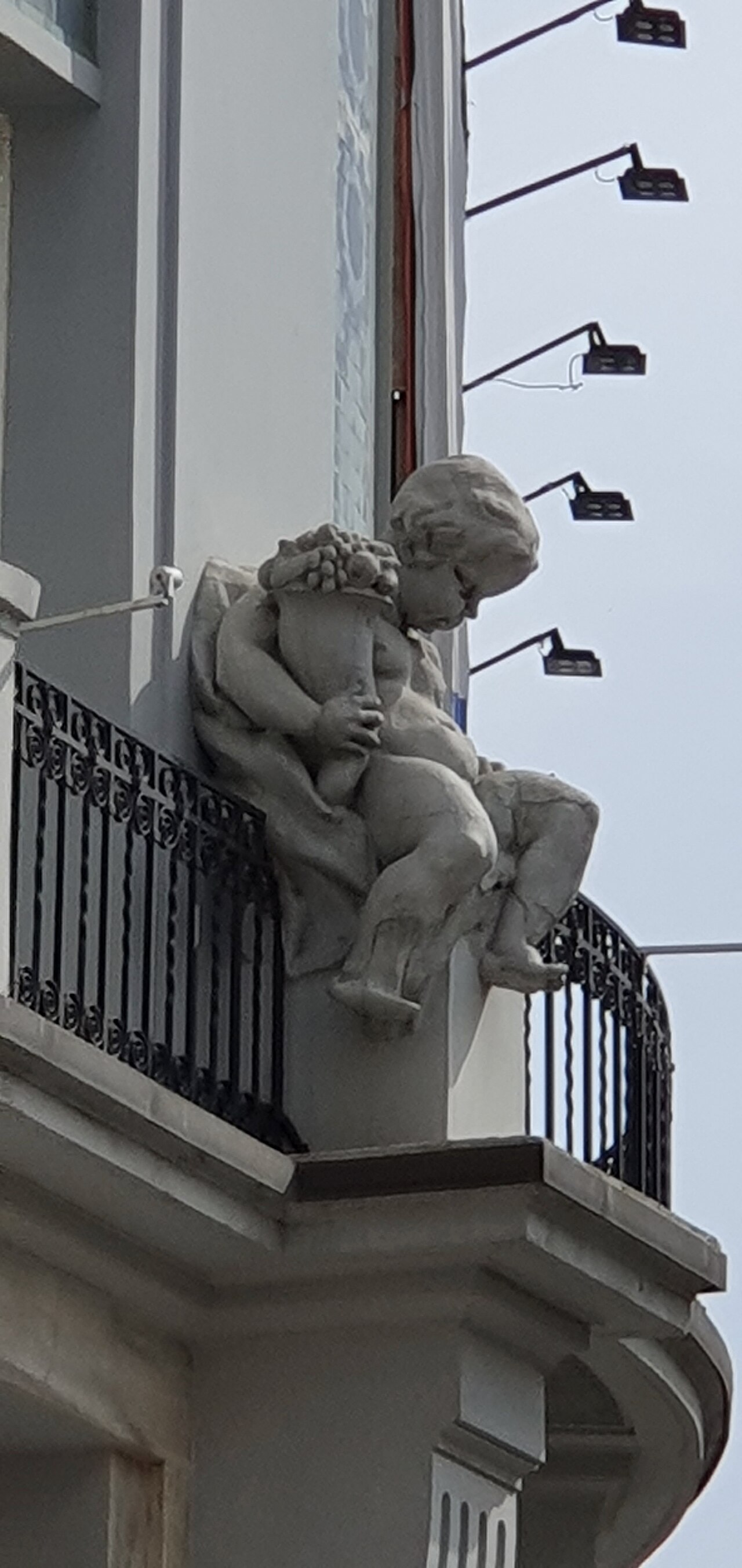
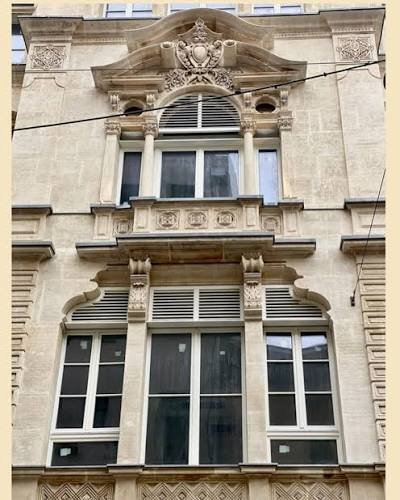
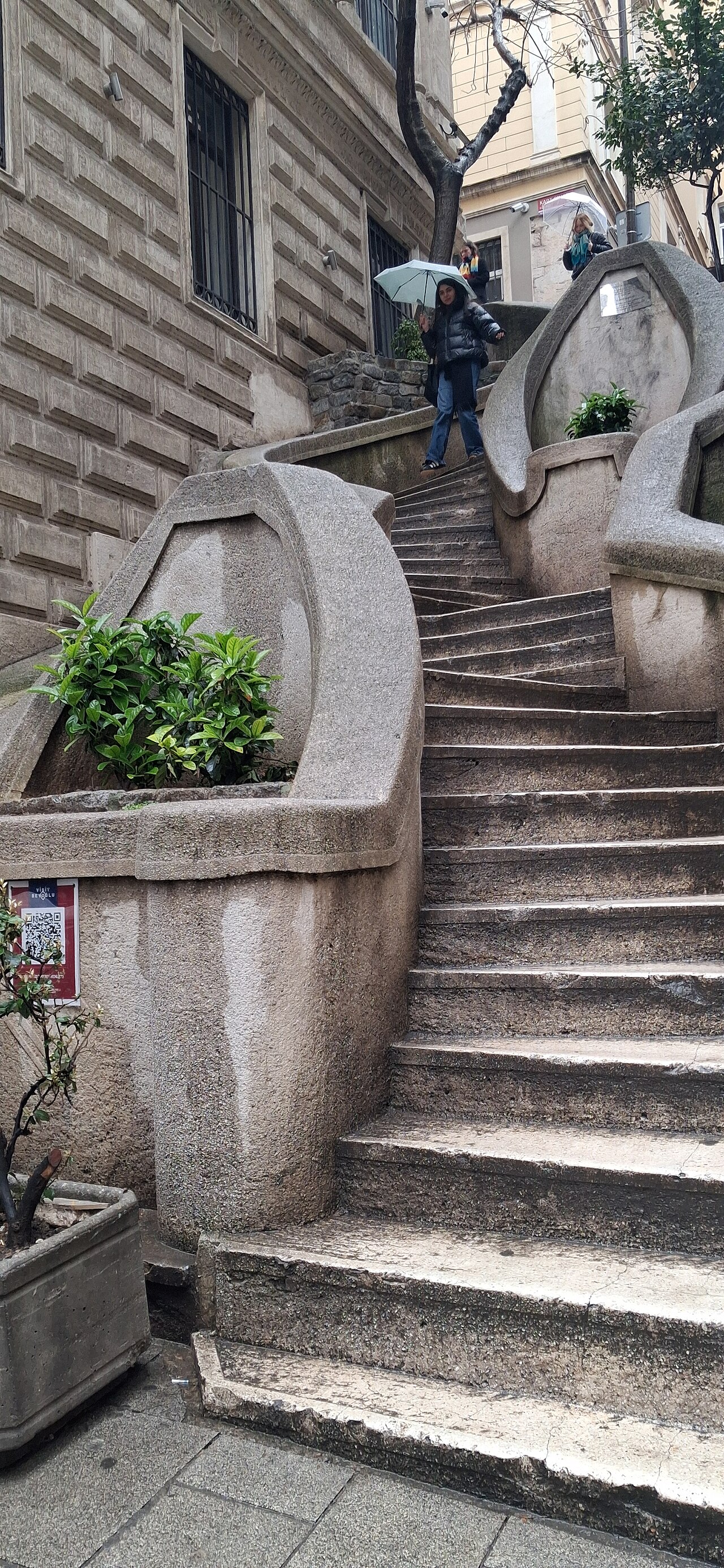
In the 19th century the heart of Ottoman finance was in Galata. Along Voyvoda Street, today Bankalar Caddesi ("Bank Street"), banks, insurance companies and the exchange lined up behind neoclassical façades. The Ottoman Bank headquarters of 1892 is today SALT Galata. The building next to it was put up in 1909 for the Italian insurer Assicurazioni Generali. Tütün Han was completed in 1911, and Minerva Han, at the end of the street, in 1911–13. The banking family Camondo built the curving stairs that link the street to the slope above in the 1870s; the family owned many hans and apartment buildings in Galata and Pera. Older trade carried on in the hans of Perşembe Pazarı and in Saint Pierre Han of 1771. The Ziraat Bank building in Karaköy bears the mark of the era of national capital.
Places
Streets & SightsRead more →
Bankalar Street
At the beginning of the 20th century, Bankalar Street (lit. “Banks Street”) was home to “the masters of money” who had the Ottoman government on a string.
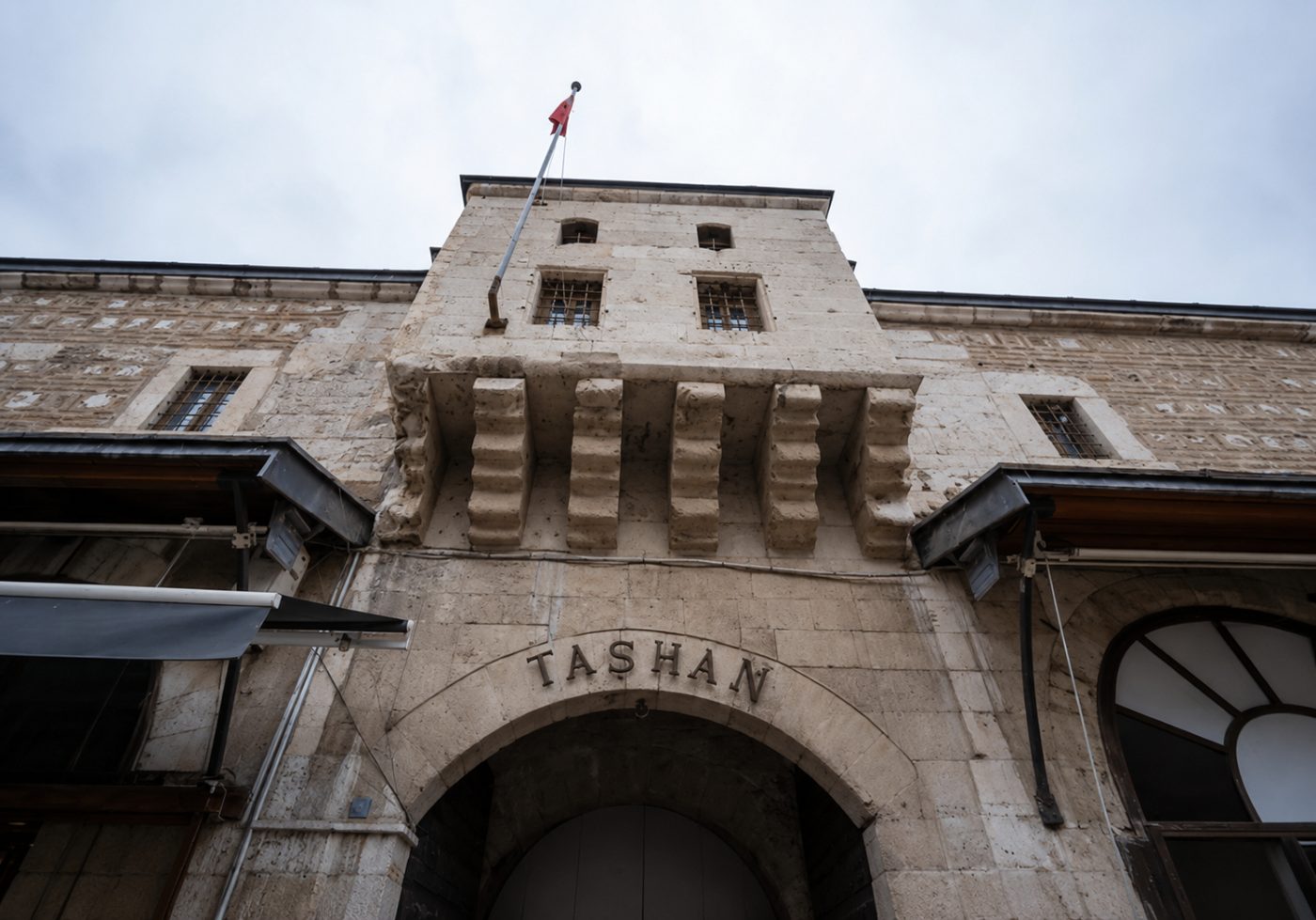
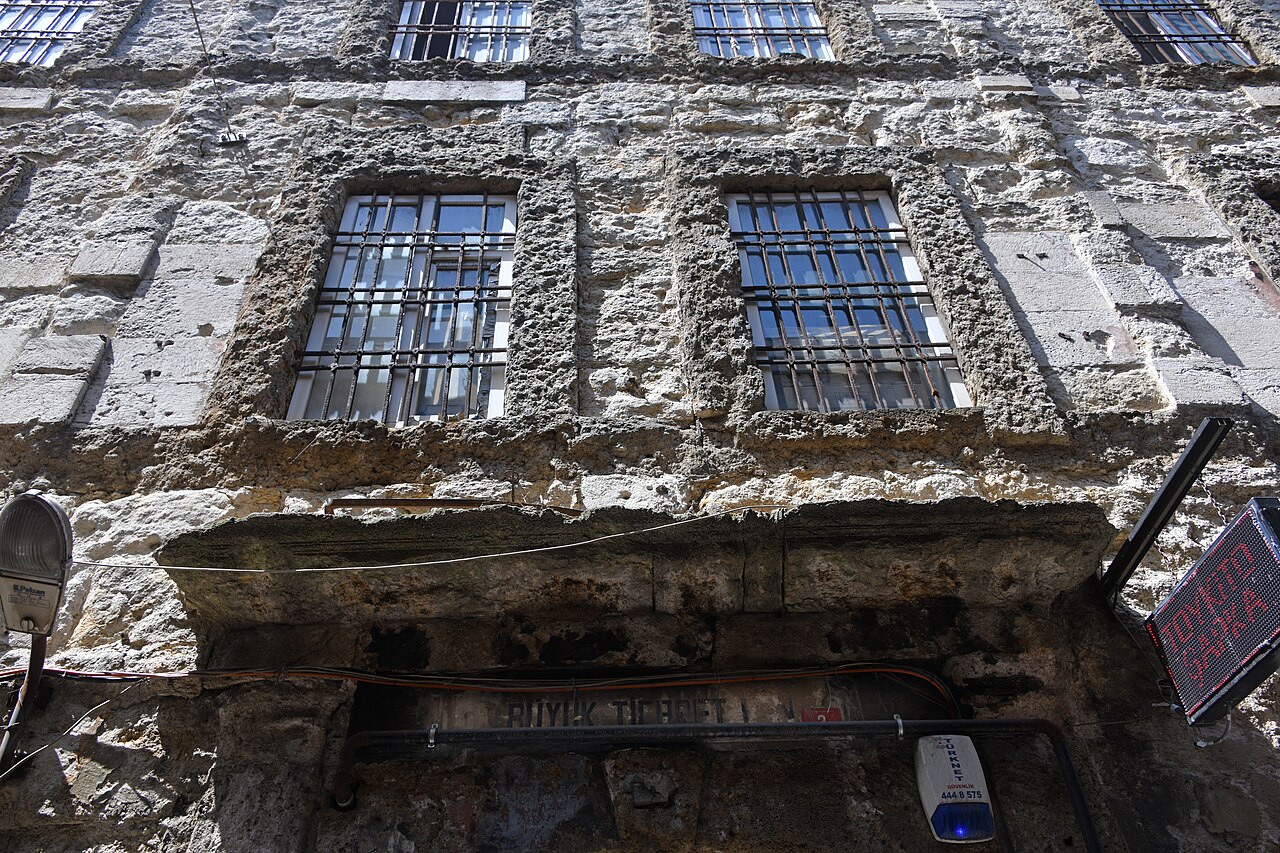
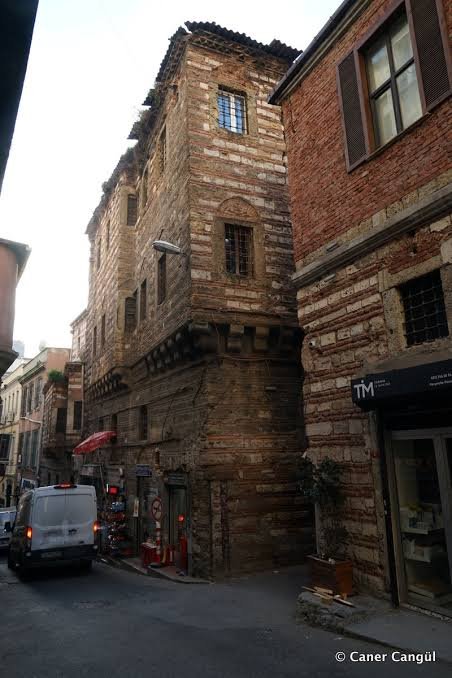
It is one of the best-protected hans in Galata. As it doesn’t bear an inscription, the construction date and architect is unknown but it is believed to be built in 1903-04.
Like the Ottoman Bank building, Hezaren Han was designed by Alexander Vallaury, and it opened doors in 1903 after a record-breaking construction period of 5 months.
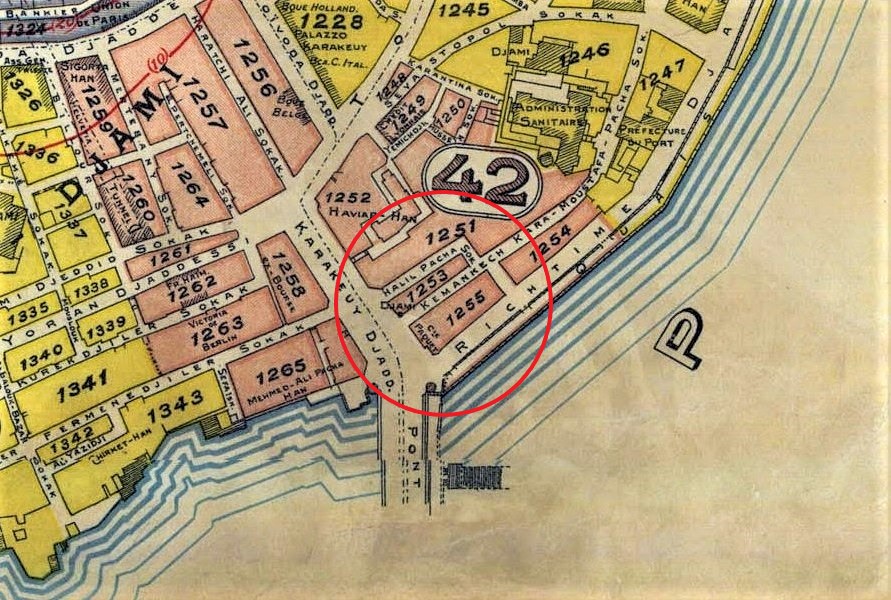
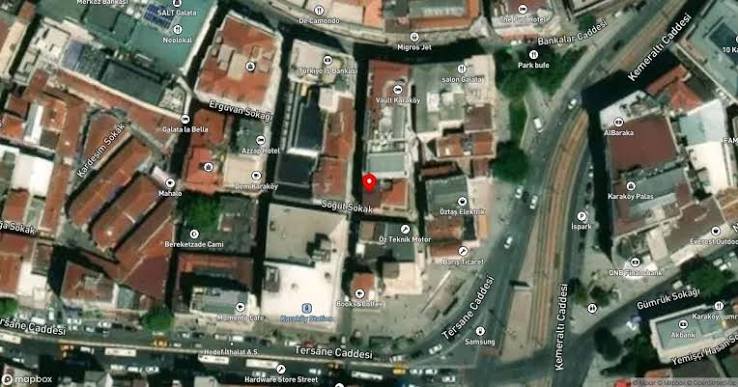
The han has an entrance from the Yemişçi Sokak, but the main entrance is on Halil Pasha Sokak, next to a crowded pedestrian area around Karaköy ferry terminal.
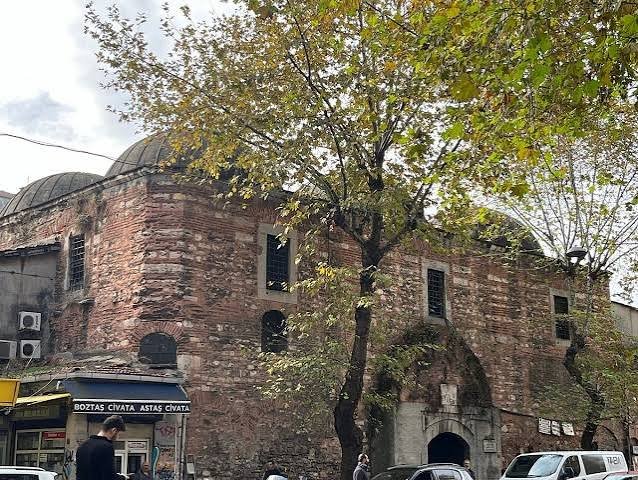
Bedestens were important commercial centers of Ottoman era Turkish cities. Galata Bedesteni, one of these centers, is located in the Lonca neighborhood, which extends inward from the Yağkapanı Gate (or, formerly, İskelekapısı Gate).
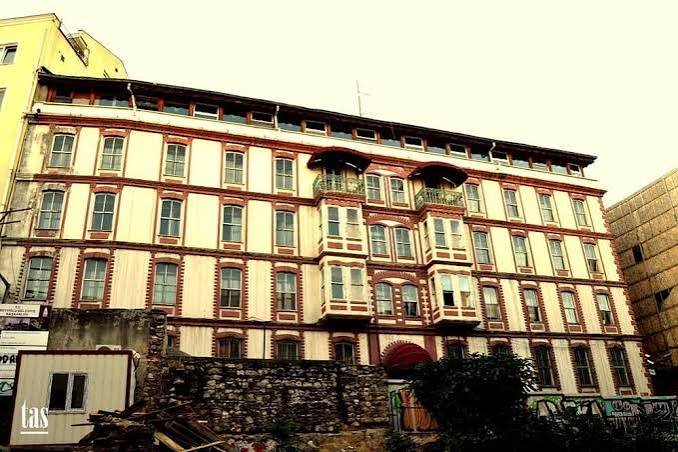
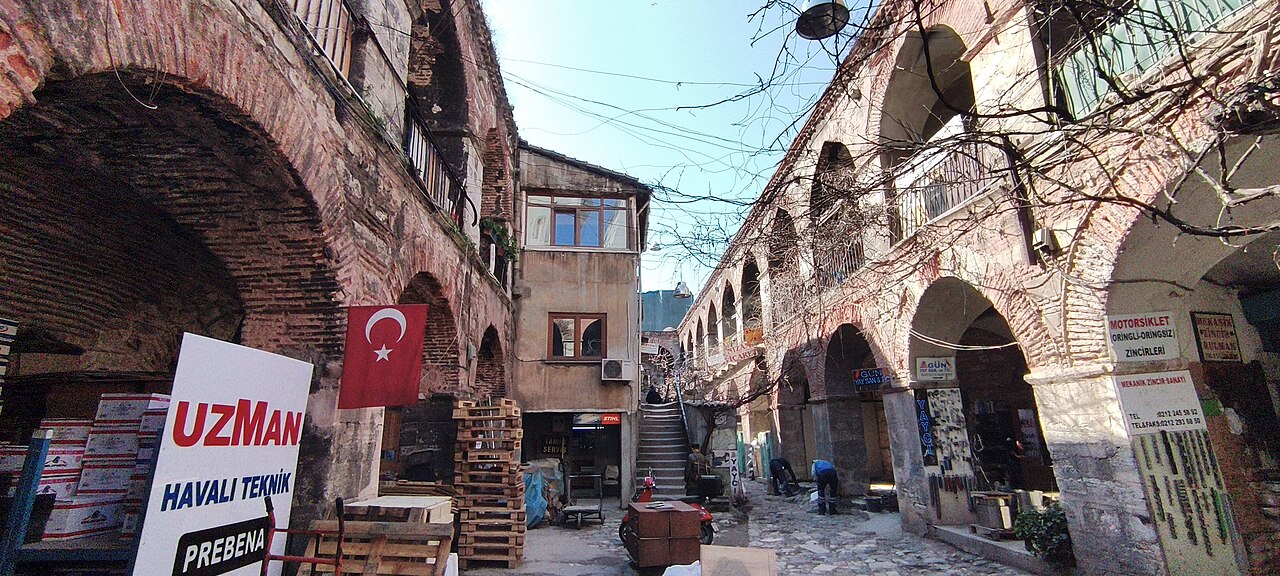
Located at the intersection of Perşembe Pazarı Street and Eski Tay Çıkmazı, this historic han catches the eye with its face stone and brick drywall work.
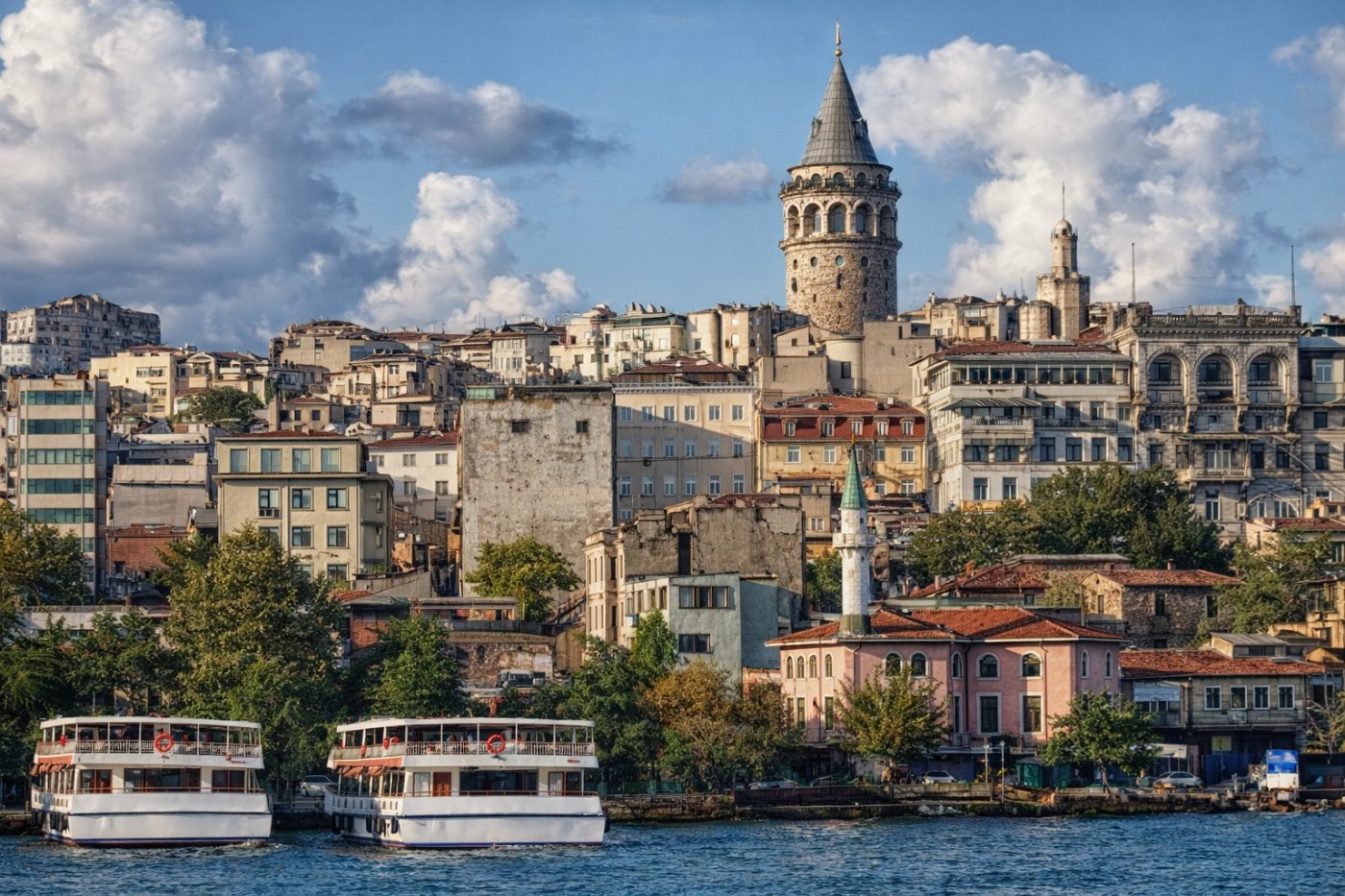
Galata coastline of the Golden Horn is in fact one of the best places to enjoy Istanbul’s historic silhouette, especially during the sunset, and visiting the Perşembe Pazarı coastline would be the crowning touch to end the tour.
Around Perşembe Pazarı Cad., Karaköy
Weekdays ~08:00 – 18:00 (most shops closed on Sundays) Free
What do the curves of the stairs on Bankalar Street connect? Old plans and a photograph by Ali Öz show two different periods of the same structure.
HistoryRead more →
Trades Written into the Street Names of Perşembe Pazarı
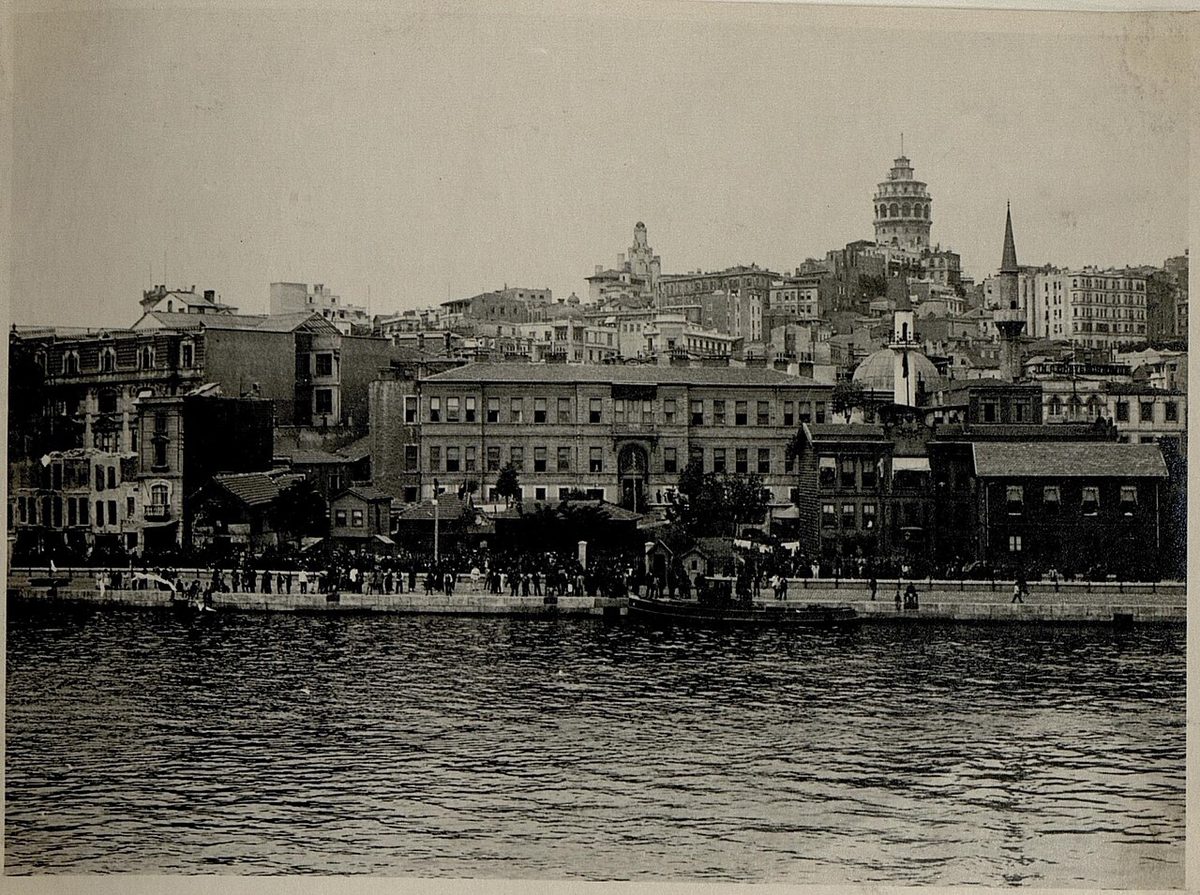
Why did the names of pulley makers and sail makers stand side by side on the Galata shore? A neighbourhood record and a photographer’s notebook follow the tradesmen at two different dates.
HistoryRead more →
Saint Pierre Han and a Bank Contract of 1881
A building contract dated 1881 shows how a tenant left its mark on a building in Galata. Reading the bank years in the plan of Saint Pierre Han.
HistoryRead more →
The Freight of 116,000 Lemons at the Galata Court
In 1663 part of a cargo of lemons sent from Kos to Istanbul rotted on the way. How did the freight to be paid, in the account brought before the kadi of Galata, come down to 308 akçe?
HistoryRead more →
The Changing Address of the Galata Customs House
Yağkapanı Gate, the Bedesten and Kurşunlu Mahzen tell of two different periods of the Galata customs. Using court registers and maps, we follow why an old address changed.
Walking routes
Voyvoda (Bankalar Street) — The Ottoman axis of finance: neoclassical bank buildings, hans, synagogues and the Camondo Stairs. (26 stops)
Azapkapı – Perşembe Pazarı — From the western end of the walls to the Golden Horn shore: old city gates, fountains and the hans of Perşembe Pazarı. (21 stops)