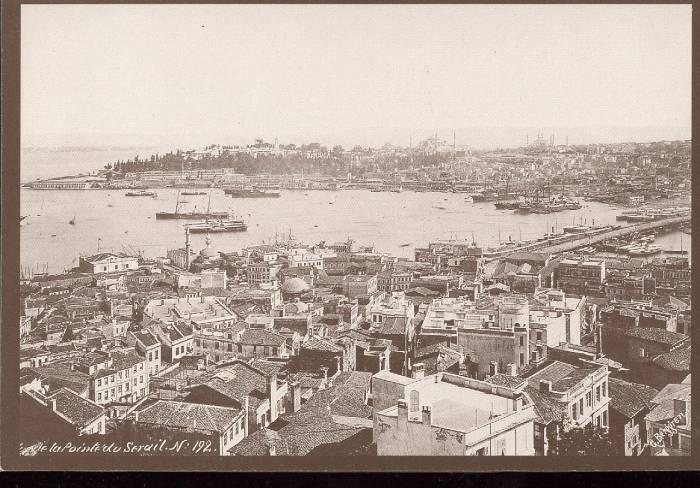
The film memory of Galata and Beyoğlu begins with a shop at the foot of the hill and lives on in the names of the streets above. This article gathers that memory from thesis findings and open sources.
Before the screen: Galata in Karagöz
Galata was on the screen even before cinema. A thesis on the painter Güzin Duran publishes a shadow-puppet figure from the Karagöz repertoire called "Galata Külhanbeyi" (the Galata street tough); its maker is given as Kâtip Salih. [2]
From Yüksek Kaldırım to Pera
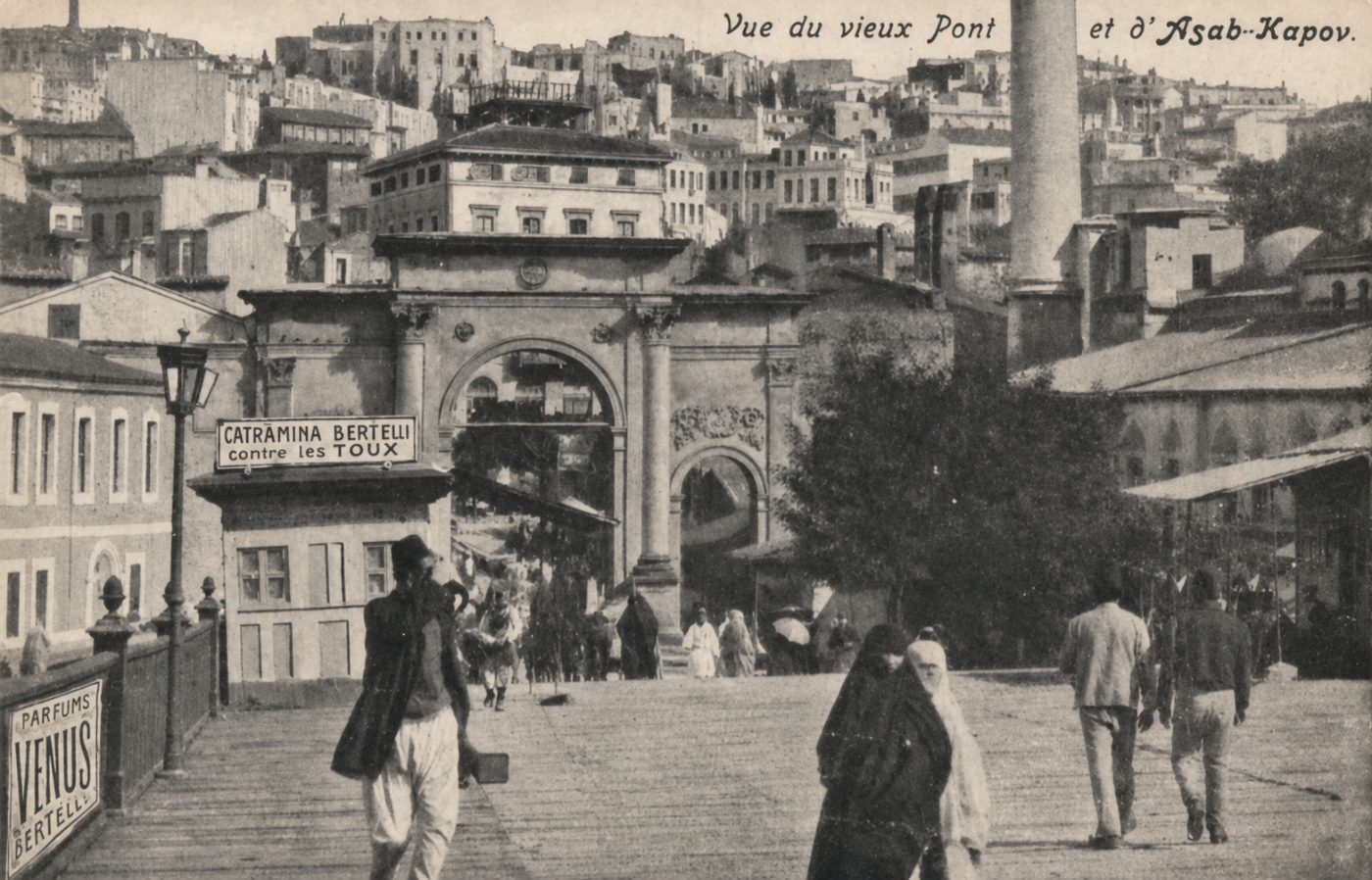
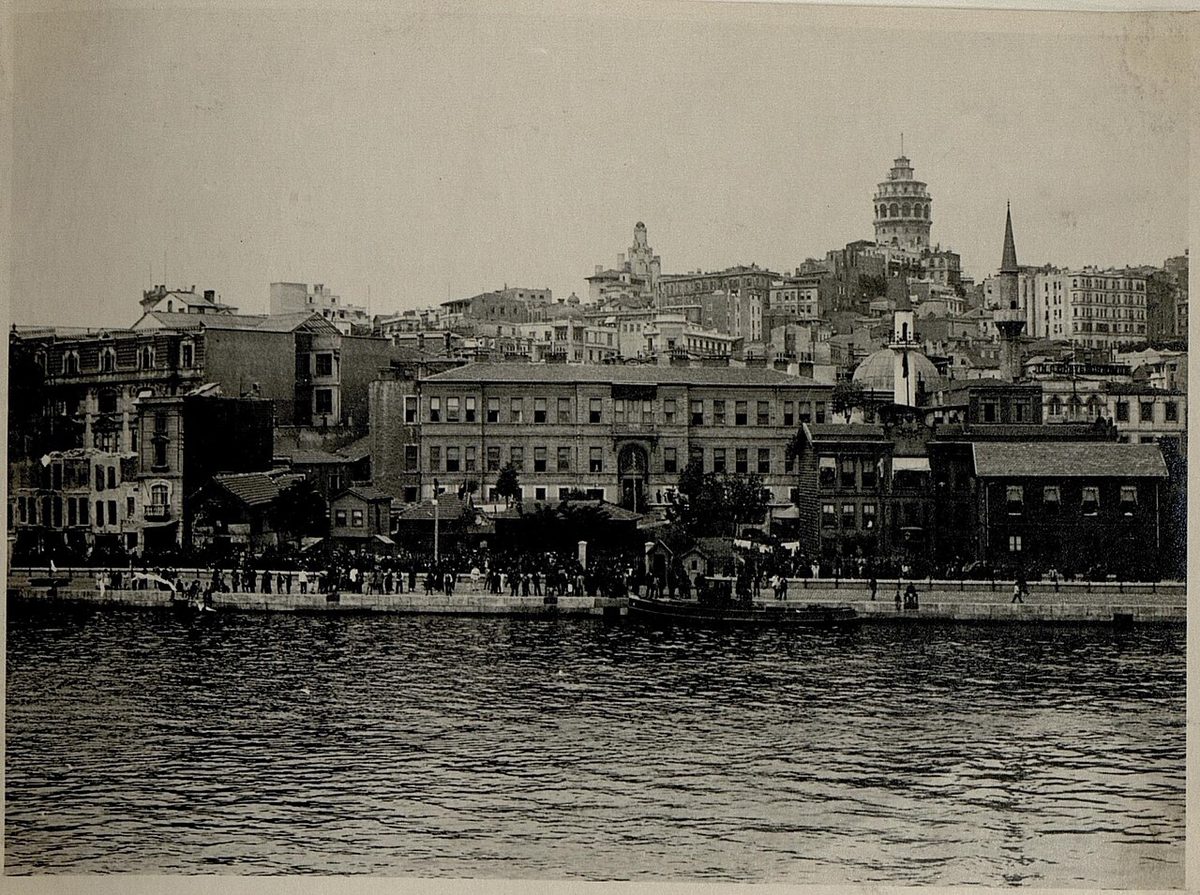
Sigmund Weinberg, Pathé’s representative in Turkey, first sold photographic supplies on Yüksek Kaldırım, then moved his business to no. 467 Grand Rue de Pera, today’s İstiklal Caddesi. Vural Orhan follows this trail together with the disagreements over Istanbul’s first public film screenings; sources do not agree on who gave the first one. [1]
Yeşilçam Street
Yeşilçam Sokağı lies in the part of Beyoğlu near Taksim. Widened and opened in 1903, the street was called Rue Deveaux until the 1930s. Because most film companies had their offices here before 1980, Turkish cinema came to be known simply as "Yeşilçam". [3]
The family of the Elhamra: the Scognamillos
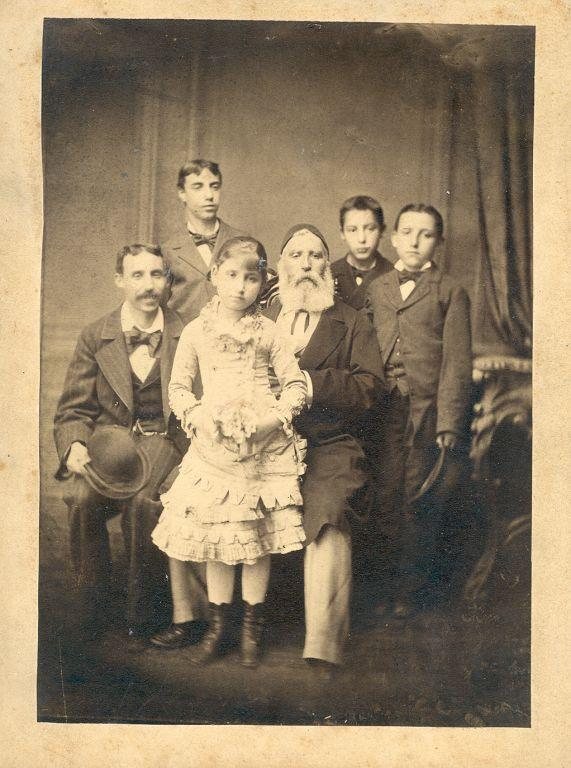
The film historian Giovanni Scognamillo (1929–2016) came to cinema through his father, Leone Scognamillo, the manager of the Elhamra Cinema. [4] According to Rüçhan Beste Çobanoğlu’s study, Kallavi Sokak, where the family lived for many years, was close to the Elhamra, and his mother prepared French subtitles for films. Çobanoğlu’s study also describes how the family’s 8 mm films were transferred for a documentary on Scognamillo. [5]
Beyoğlu and Galata on screen
- Beş Şeker Kız (1964): Şükran, played by Fatma Girik, goes to Beyoğlu to look for work; an artists’ agency takes her to an orchestra that has no singer. Anı Sağkan examines how the story turns at this point. [6]
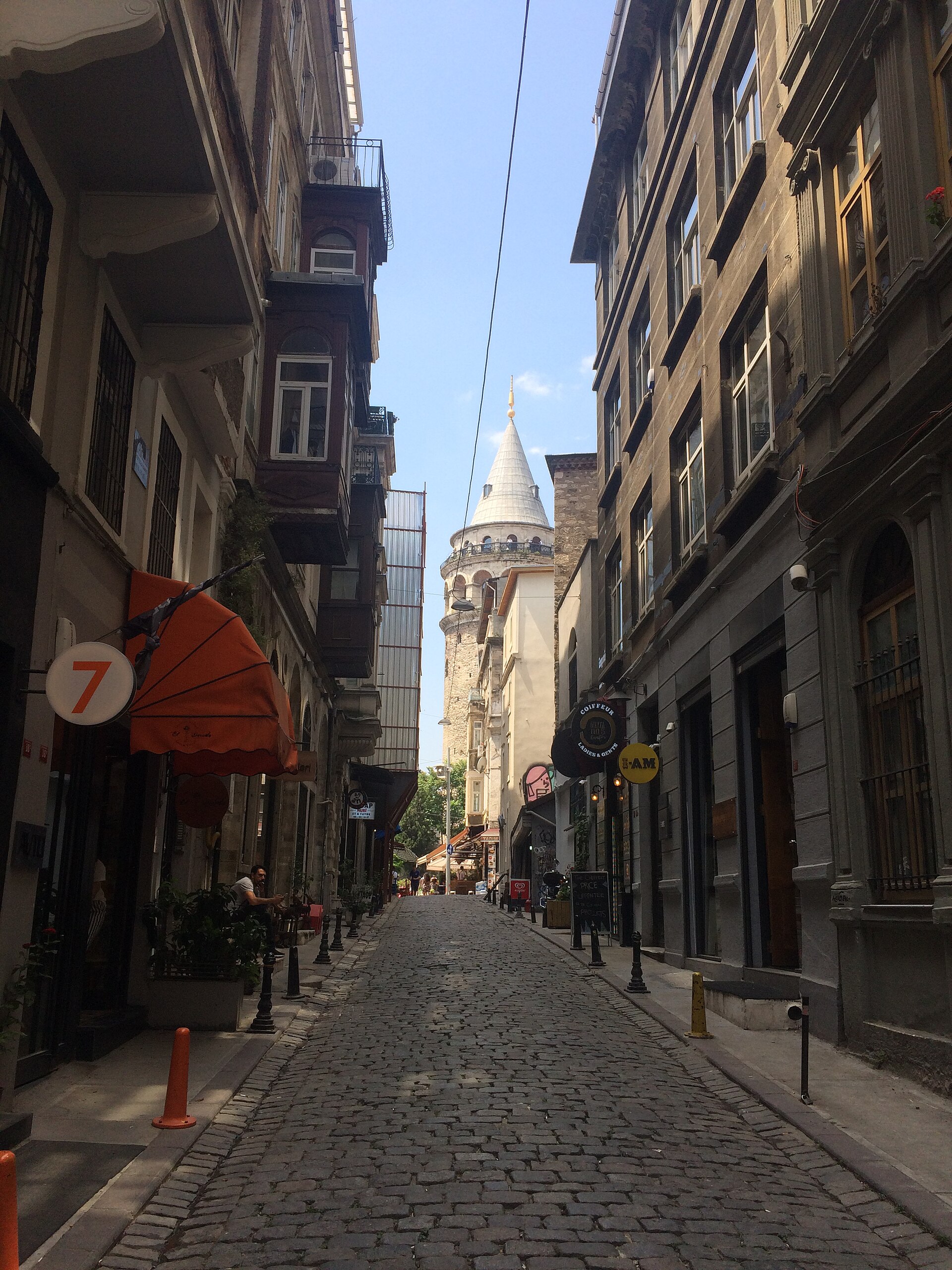
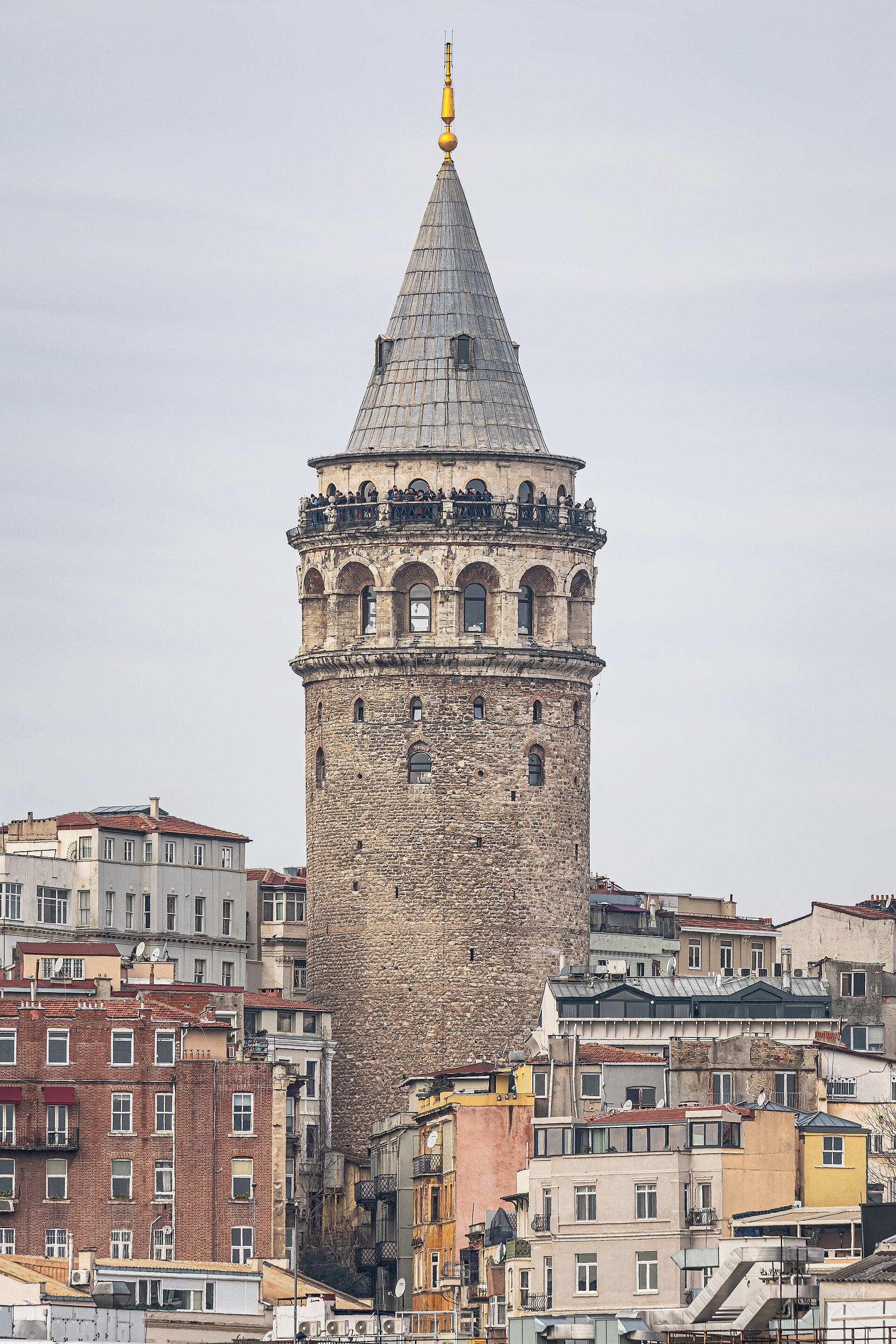
- Beyoğlu’nun Arka Yakası: a film crew telling the district’s past accompanies Haydar on a one-night journey; one of the scenes takes place at the Galata Tower. Ayşe Didem Aydoğan discusses how the film builds its setting with night lights and sound. [7]
- The bridge through Lütfi Akad’s camera: in Akad’s Dört Mevsim İstanbul, the camera records a building-site sign that presents the new Galata Bridge and the remodelling of the Eminönü and Karaköy squares as parts of the same work. [1]
Today
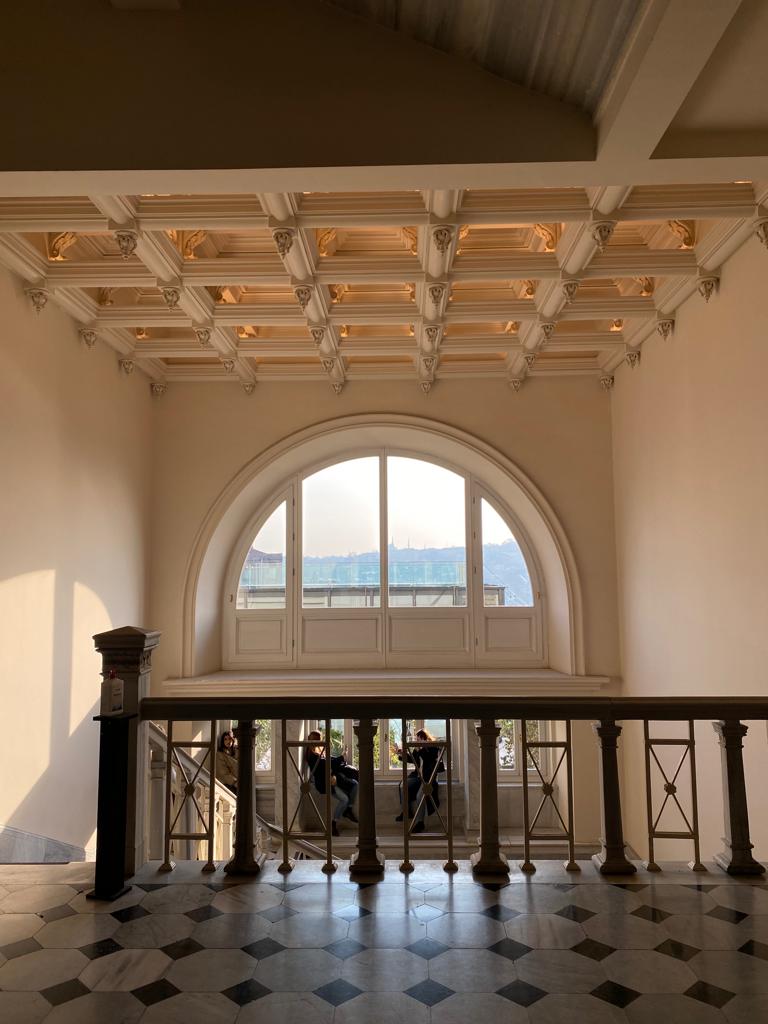
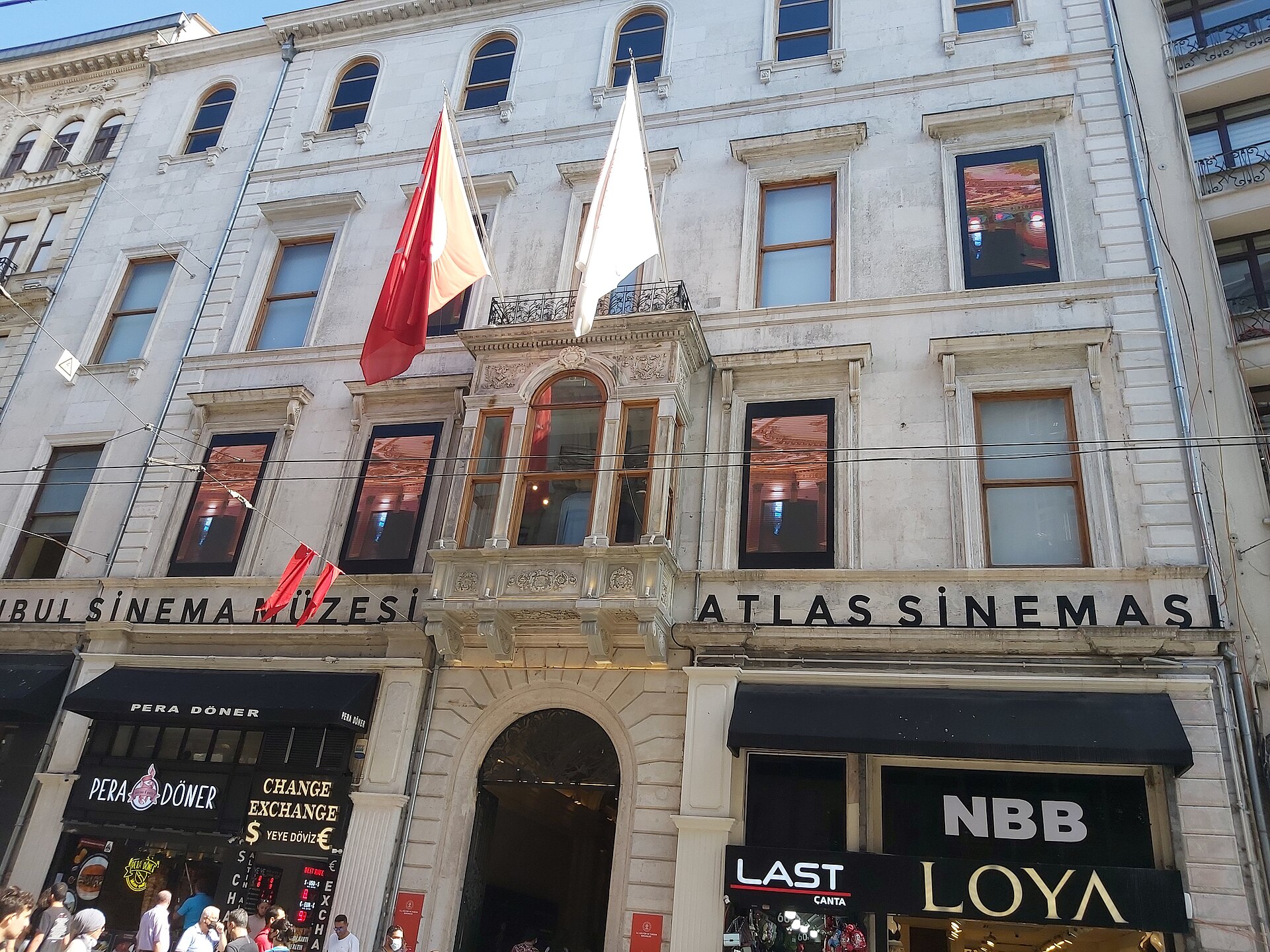
The posters, actors and directors of Yeşilçam are presented today in the Istanbul Cinema Museum, in the building of the Atlas Cinema.
Related pages
- Istanbul Cinema Museum
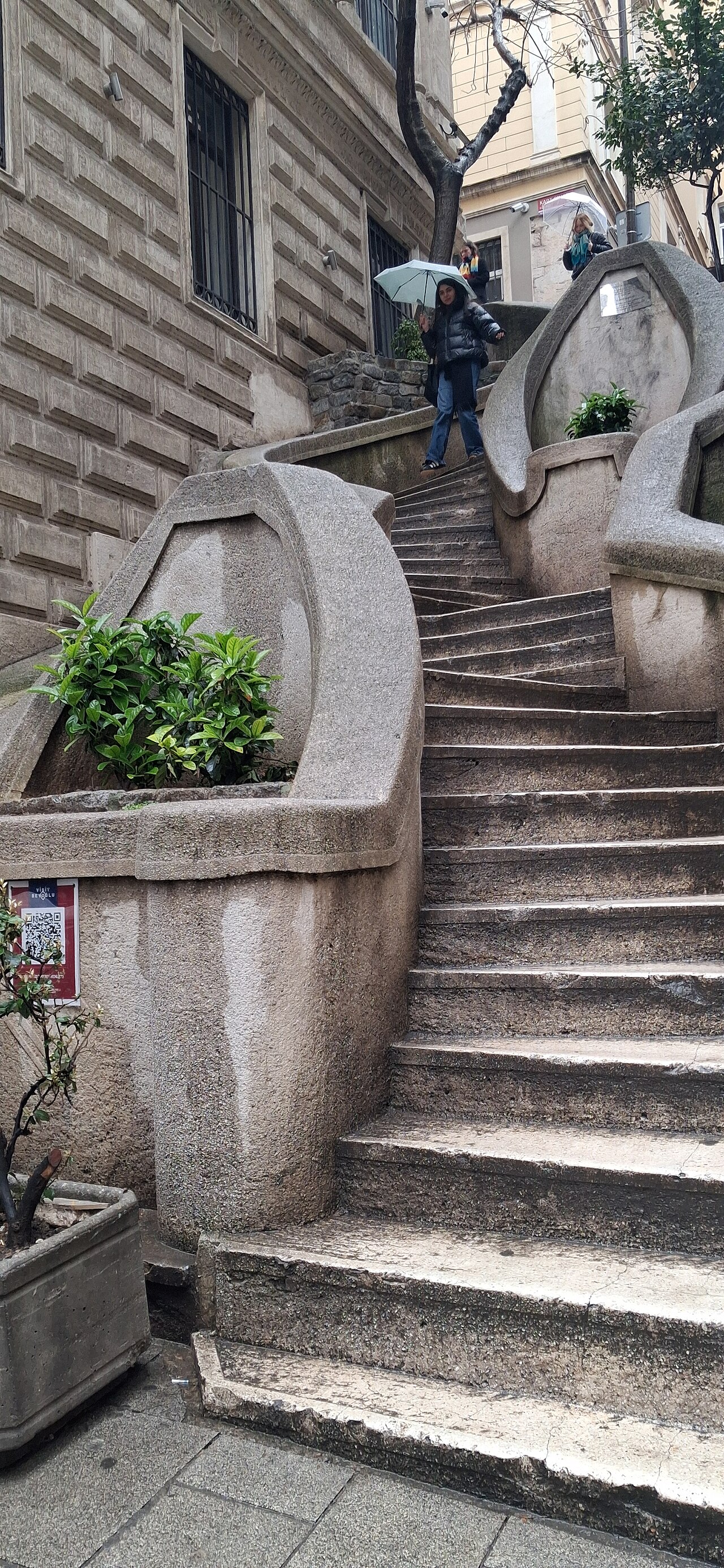
- Yüksek Kaldırım (Galata Steps)
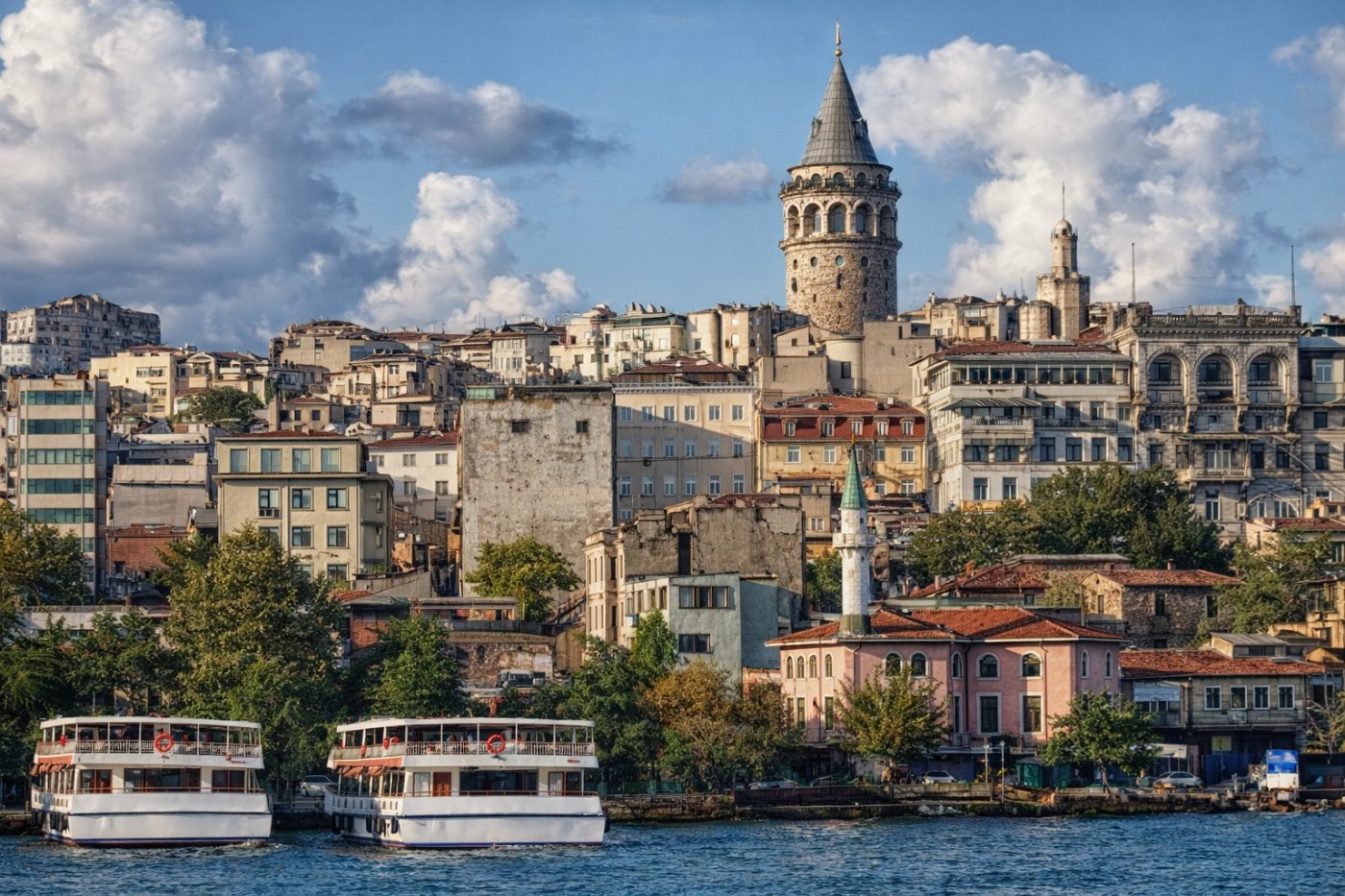
- Galata Tower
- Galata Bridge
- Theme: Taverns, music and entertainment
Source: Galata HUB’s own text, based on: [1] Vural Orhan, Lütfi Akad'ın İstanbul'u, thesis, 2008 (YÖK 221919), pp. 223, 401–402 · [2] İlkay Canan Canikli, Ressam Güzin Duran, thesis, 2005 (YÖK 215618), p. 130 · [3] Turkish Wikipedia, “Yeşilçam Sokağı” (checked 26 November 2026) · [4] Turkish Wikipedia, “Giovanni Scognamillo” (checked 26 November 2026) · [5] Rüçhan Beste Çobanoğlu, Korku Sanatı ve Beyoğlu Kontu Giovanni Scognamillo, master’s project, 2009 (YÖK 271261), pp. 23, 32–34 · [6] Anı Sağkan, Türk Sinemasında Yapılan Müzikal Filmlerde Müzikal Parçalar ve Olay Örgüsü Arasındaki İlişki, thesis, 2010 (YÖK 253894), pp. 60–61 · [7] Ayşe Didem Aydoğan, Kamusal Mekân Olarak Beyoğlu'nun Türk Sinemasındaki Temsili, thesis, 2010 (YÖK 271305), pp. 72, 79–80
Last updated:
Spotted a mistake or something missing on this page? Suggest a correction